

Based on your book
Morality
by Jonathan Sacks
Jonathan Sacks' "Morality" tackles a pressing question: how did we lose our way, and what can we do about it? He argues that modern society's focus on individual autonomy has eroded the shared moral framework essential for true liberty and communal well-being. Reading this book feels like engaging in a profound, wide-ranging conversation with a brilliant mind, tracing philosophical and historical threads from antiquity to the present. Sacks doesn't just diagnose societal ills; he offers a profound, hopeful vision for rebuilding a common moral foundation. It's a thoughtful, often challenging, but ultimately inspiring journey. This is for readers who find themselves contemplating society's deepest challenges, who yearn for a coherent ethical compass, and who believe that collective moral responsibility is key to a flourishing future. If you appreciate deep cultural analysis and a philosophical approach to existential questions, this will resonate.
10 Books similar to 'Morality'
If Jonathan Sacks' profound exploration of our moral landscape resonated deeply, you'll find kindred spirits in these recommendations. Many, like Sapiens and Bowling Alone, delve into the historical and societal forces that shape our shared values and communal bonds, or their erosion. Others, such as The Road to Character and Man's Search for Meaning, offer compelling arguments for cultivating individual ethical responsibility and finding purpose within a larger moral framework. They all confront the challenges of our current cultural climate and offer insightful perspectives on rebuilding the foundations of a just and meaningful life.
As an Amazon Associate, we earn from qualifying purchases.

Like Sacks, Harari offers a grand narrative, exploring how shared beliefs and 'fictions' (including moral frameworks) have shaped human societies throughout history. Readers will appreciate the deep analytical approach to understanding the foundations of our collective existence and the challenges to shared values.

by David Brooks
Brooks directly addresses the decline of 'eulogy virtues' (inner moral character) in modern society, much like Sacks laments the erosion of communal morality. This book offers a compelling argument for cultivating deeper ethical lives and a sense of purpose beyond individualistic success.

Putnam's seminal work meticulously documents the decline of social capital and community engagement in America, directly echoing Sacks' concerns about the erosion of shared communal life. It provides a data-driven diagnosis of the societal fragmentation that impacts moral cohesion.

Frankl's profound exploration of finding meaning and purpose, even in the most extreme suffering, resonates with Sacks' emphasis on responsibility and ethical living. It offers powerful insights into the human spirit's capacity for moral choice and resilience, regardless of external circumstances.

Prefer to listen?
Try Audible and hear the story instead of reading it.
As an Amazon Associate, we earn from qualifying purchases.
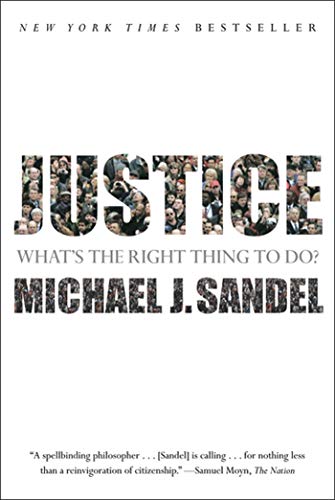
Sandel, like Sacks, engages readers in accessible yet deep philosophical discussions about ethical dilemmas and the nature of a just society. He examines various moral theories and their implications for public life, encouraging critical reflection on shared values.

by Greg Lukianoff and Jonathan Haidt
This book diagnoses a decline in resilience, critical thinking, and open discourse, which contributes to the societal fragility Sacks addresses. It provides a compelling analysis of how contemporary cultural trends are impacting moral development and the ability to engage with differing viewpoints.

by C.S. Lewis
Lewis articulates a foundational understanding of Christian ethics and universal morality, seeking common ground on what constitutes right and wrong. Like Sacks, he provides a clear, persuasive framework for understanding and living a virtuous life rooted in a deeper purpose.

Haidt explores the psychological and evolutionary roots of moral judgment, offering insights into why people hold different moral intuitions and how these divisions arise. This scientific perspective complements Sacks' philosophical arguments by explaining the underlying mechanisms of moral disagreement and the challenge of fostering shared values.

While Sacks focuses on moral decline, Pinker presents an evidence-based argument for human progress, engaging with grand narratives about societal values and the human condition. His analytical approach to well-being, reason, and humanism offers a complementary perspective on the forces shaping our moral landscape.

This timeless work of Stoic philosophy offers profound reflections on personal ethics, duty, and living a virtuous life in accordance with reason. It resonates with Sacks' call for individual responsibility and character development as the foundation for a moral society.

Love to read on the go?
Explore Kindle e-readers and take your books with you.
As an Amazon Associate, we earn from qualifying purchases.
As an Amazon Associate, we earn from qualifying purchases.