
Based on your book
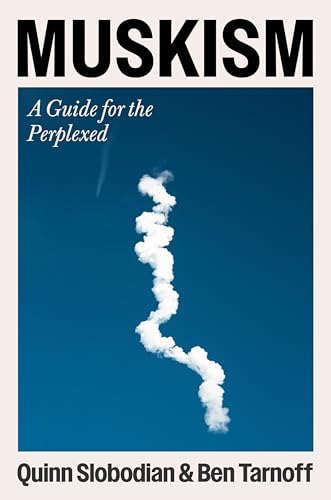
Muskism
by Slobodian, Quinn
Muskism is a clinical dissection of how a single personality can become a shorthand for an entire political and economic ideology. Slobodian moves past the typical billionaire biography to examine the specific brand of techno-libertarianism that has coalesced around Elon Musk. The book functions as a cold, analytical lens, stripping away the hype to reveal the underlying power dynamics that threaten democratic norms. You will not find breathless hero worship or cheap takedowns here; instead, the prose is measured, cynical, and deeply observant. It is a dense, intellectual climb that rewards readers who prefer structural critiques over personality-driven gossip. This is essential for anyone who feels the current tech landscape is drifting toward something uncomfortably close to feudalism and wants to understand the intellectual architecture supporting that shift.
10 Books similar to 'Muskism'
Since Muskism provides such a sharp diagnostic of our current political moment, these selections were curated to help you map the broader ecosystem of tech-elite influence. You will find that works like The Age of Surveillance Capitalism and Winners Take All offer the perfect intellectual scaffolding to support Slobodian's arguments about power and performative altruism. Conversely, if you want to see how these theories manifest in the real world, the investigative rigors of Bad Blood and the insider cynicism of Chaos Monkeys provide a grounded, often unsettling look at the consequences of this specific brand of unchecked ambition.
As an Amazon Associate, we earn from qualifying purchases.

Like Slobodian's work, this book offers a rigorous, critical analysis of how tech giants and billionaires reshape social and political structures for profit. It provides the intellectual framework necessary to understand the unchecked power dynamics inherent in modern techno-libertarian ideologies.
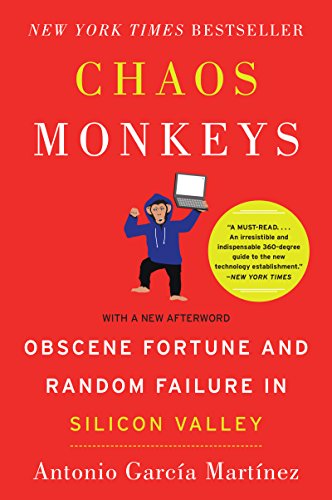
This memoir provides an insider's look at the Silicon Valley ecosystem, mirroring the skepticism Slobodian applies to the tech-billionaire class. It exposes the raw, often cynical reality behind the utopian promises of the tech industry.

While ideologically opposed to Slobodian's critique, this book is essential reading for understanding the very 'Muskism' philosophy Slobodian analyzes. It presents the unfiltered, ambitious vision of the tech-libertarian movement from within.

Lasch's classic analysis of how the elite class has detached itself from the common good serves as a historical and sociological precursor to Slobodian's arguments. It explores the psychological and moral consequences of a class that operates outside traditional democratic boundaries.

Prefer to listen?
Try Audible and hear the story instead of reading it.
As an Amazon Associate, we earn from qualifying purchases.

This investigative masterpiece exposes the dark underbelly of tech-utopian promises, much like how Slobodian deconstructs the ideologies of modern tech moguls. It is a gripping narrative that serves as a cautionary tale about unchecked ambition.
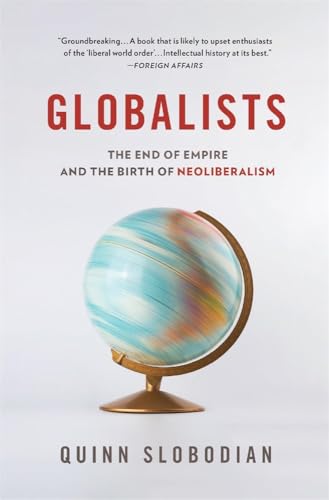
For readers who appreciate Slobodian's specific writing style and historical methodology, this book is indispensable. It traces the intellectual history of the neoliberal order, providing the necessary context for his later critiques of tech-libertarianism.

Written by an AI insider, this book grapples with the immense power of emerging technologies and the difficulty of containing them, echoing the concerns Slobodian raises about the autonomy of tech billionaires. It offers a sophisticated, if different, perspective on the same subject matter.

Varoufakis provides a compelling economic argument that the current tech landscape has evolved into something resembling feudalism, aligning perfectly with Slobodian's critique of how tech moguls operate. It is a dense, highly analytical read for those interested in the political economy of the digital age.

This book directly critiques the way the global elite use philanthropy and 'thought leadership' to maintain the status quo, which is a central theme in Slobodian's analysis of tech-libertarianism. It is a sharp, critical look at the performative nature of billionaire altruism.

by Mike Isaac
This narrative history of Uber illustrates the 'move fast and break things' ethos that Slobodian critiques, showing the real-world consequences of a corporate culture driven by a single, messianic leader. It is a fast-paced, highly readable account of corporate hubris.

Love to read on the go?
Explore Kindle e-readers and take your books with you.
As an Amazon Associate, we earn from qualifying purchases.
As an Amazon Associate, we earn from qualifying purchases.