

Based on your book
My Body Is a Book of Rules
by Washuta, Elissa
Elissa Washuta maps the landscape of her own history through a series of fragmented, often clinical investigations into her past. She examines the intersections of bipolar disorder, sexual assault, and her Cowlitz heritage by treating her own life like a case file, layering medical records and pop culture analysis over raw, unfiltered memories. The reading experience is intentionally disorienting and deeply cerebral, mirroring the way trauma forces us to piece together a coherent self from shattered parts. It is a brave, uncomfortable, and meticulously honest book that refuses to offer easy resolution or tidy emotional payoffs. This is for readers who value experimental structure and intellectual rigor, and who are drawn to memoirs that treat the body as a primary source of evidence in the search for identity and healing.
10 Books similar to 'My Body Is a Book of Rules'
Since you appreciated how Washuta dissects her own psyche, these selections were curated to highlight writers who also master the art of the fragmented, analytical memoir. We chose books that mirror her commitment to blending personal trauma with broader cultural and historical critique. Whether you are drawn to the way these authors interrogate the physical body or how they use non-traditional narrative structures to process grief and mental illness, these works offer a similar depth of insight. They invite you to look closer at the ways we define ourselves through the stories we inherit and the ones we create.
As an Amazon Associate, we earn from qualifying purchases.

Like Washuta, Yuknavitch employs a fragmented, visceral style to explore trauma, sexuality, and the body's relationship to memory. It is a raw, unflinching memoir that mirrors the intense, experimental narrative structure found in My Body Is a Book of Rules.

This book shares a deep engagement with indigenous identity and the reclamation of history through a non-traditional, collage-like structure. Readers who appreciated Washuta's blend of personal narrative and cultural analysis will find this equally profound and structurally inventive.

Nelson's lyrical, philosophical approach to dissecting personal grief and obsession through the lens of a single color is a touchstone for the kind of analytical-yet-confessional writing Washuta excels at. It captures the same intellectual rigor applied to intimate emotional states.

by Kiese Laymon
Laymon's memoir is a masterclass in examining the physical body and its navigation through societal expectations, trauma, and systemic weight. Fans of Washuta's honest, often painful examination of self will recognize the same commitment to radical transparency.

Not sure what they've already read?
Let them pick their next favorite with an Amazon Gift Card.
As an Amazon Associate, we earn from qualifying purchases.
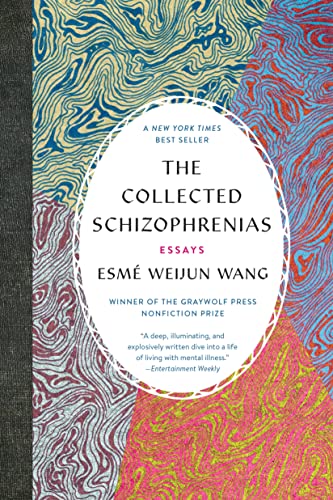
Wang combines rigorous research with deeply personal experience to demystify mental illness, much like Washuta does with her own diagnoses. It is an essential read for those who enjoy the intersection of medical history, pop culture, and lived experience.

by Roxane Gay
Gay's exploration of her body, trauma, and the societal gaze provides a powerful parallel to the themes in Washuta's work. Both authors write with a sharp, uncompromising voice about the ways our bodies are shaped by the world around us.

Machado utilizes a unique, genre-bending structure—using different tropes to analyze an abusive relationship—which resonates with Washuta's experimental narrative style. It is a brilliant, unsettling look at how we construct the stories of our own lives.

Hong blends cultural critique with memoir to explore the 'minor feelings' of Asian Americans, echoing Washuta's use of pop culture and history to frame her own identity. It is an intellectual and deeply felt examination of race and belonging.

by Hilton Als
Als uses a brilliant, essayistic style to interrogate identity, gender, and race through the lens of art and pop culture. Readers who loved how Washuta weaves external cultural references into her internal landscape will appreciate Als's sharp, observant prose.

Febos shares Washuta's talent for weaving together the personal and the academic, particularly regarding the dynamics of intimacy and addiction. Her writing is both visceral and cerebral, exploring the ways we lose and find ourselves in others.

Prefer to listen?
Try Audible and hear the story instead of reading it.
As an Amazon Associate, we earn from qualifying purchases.
As an Amazon Associate, we earn from qualifying purchases.