

Based on your book
My Year of Meats
by Ruth Ozeki
Ruth Ozeki's My Year of Meats is a smart, often hilarious ride that pulls back the curtain on the global food industry through the eyes of two very different women. You’ll follow Jane, an American documentarian producing a Japanese TV show about meat, and Akiko, a Japanese housewife whose life is inextricably linked to the show. The book toggles between their perspectives, creating a vibrant, sometimes unsettling, but always engaging narrative. It’s packed with wit and sharp observations on cultural differences, corporate ethics, and the quiet struggles of women finding their voice. This is a novel for readers who appreciate a story that makes them laugh and think deeply, blending the personal with the political in a way that feels both urgent and profoundly human.
10 Books similar to 'My Year of Meats'
If you found yourself captivated by My Year of Meats, you're likely drawn to stories that blend sharp social commentary with deeply human experiences. Our selections explore similar territory, whether it's through a critical lens on industrial agriculture and corporate power, like The Jungle or Fast Food Nation, or by dissecting the nuances of cultural clash and identity through strong, reflective female voices, as seen in books like A Tale for the Time Being and Americanah. These recommendations will continue to challenge your perspective while offering the same kind of witty, thought-provoking narrative you loved in Ozeki's work.
As an Amazon Associate, we earn from qualifying purchases.

by Ruth Ozeki
Fans of My Year of Meats will appreciate Ozeki's signature blend of cross-cultural exploration, meta-fictional structure, and deep concern for environmental and social issues. This novel mirrors the dual-narrative style and the intimate connection between two women separated by geography.

Like Ozeki, Kingsolver uses a specific cultural lens to critique Western imperialism and corporate greed. Both books feature strong female voices navigating a world where political and personal lives are inextricably linked through industry and ideology.

This non-fiction work dives into the same industrial food systems and corporate farming practices that serve as the backbone of Ozeki's narrative. Readers who were fascinated by the 'meat' aspect of the novel will find this deep dive into food production equally gripping.

Bourdain’s sharp, satirical, and often gritty look at the food industry echoes the behind-the-scenes media production elements of My Year of Meats. Both authors possess a witty, cynical edge while maintaining a deep passion for the subjects they critique.

Prefer to listen?
Try Audible and hear the story instead of reading it.
As an Amazon Associate, we earn from qualifying purchases.

by Min Jin Lee
This epic family saga explores the intersection of Japanese and Korean cultures, much like Ozeki's exploration of American and Japanese identities. It captures the same sense of displacement and the struggle of individuals caught in the gears of history and commerce.
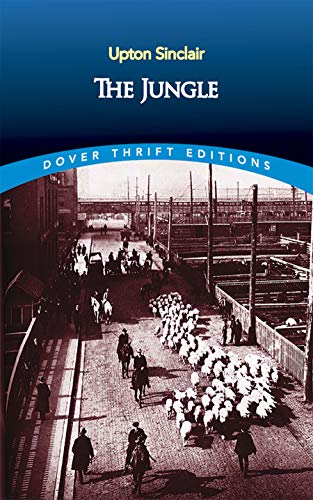
As the classic predecessor to Ozeki's work, this novel is the definitive critique of the meatpacking industry. Readers who appreciated the political activism and the 'muckraking' spirit of My Year of Meats will find this essential reading.

Adichie offers a sharp, observational look at race, identity, and the immigrant experience through a contemporary lens. Like Ozeki, she uses a witty and intellectual voice to dismantle cultural stereotypes and corporate artifice.

This investigative work provides the real-world facts behind the fictionalized horrors of the cattle industry in Ozeki's book. It shares the same sense of urgency and commitment to exposing the dark side of American consumerism.

by Max Evans
While more of a Western, this book captures the rugged, often brutal reality of the cattle industry and the landscape of the American heartland. It resonates with the scenes in Ozeki's novel set in the American West.

This short, punchy novel offers a unique look at Japanese corporate culture and social expectations. Like Ozeki, Murata uses a quirky, slightly detached protagonist to comment on the absurdity of modern societal norms.

Love to read on the go?
Explore Kindle e-readers and take your books with you.
As an Amazon Associate, we earn from qualifying purchases.
As an Amazon Associate, we earn from qualifying purchases.