

Based on your book
Napoleon's Buttons
by Le Couteur, Penny
This book operates on a simple but brilliant premise: that the course of human history has been steered by the structure of specific molecules. Le Couteur moves through the periodic table, highlighting substances like spices, silk, and rubber to show how these tiny chemical building blocks triggered wars, fueled empires, and dictated the rise and fall of civilizations. The reading experience is like sitting in on a series of lectures from a professor who knows exactly how to make the abstract feel tangible. You will find yourself looking at the objects in your room with newfound suspicion and respect. It is a methodical, intellectually satisfying read that moves at a measured pace. If you are the type of person who loves connecting the dots between high-level historical events and the physical reality of the world, this will be your new favorite book.
10 Books similar to 'Napoleon's Buttons'
If the way this book reframes history through a scientific lens resonated with you, these selections will keep that momentum going. We curated this list to highlight the concept of micro-history, where a singular commodity or material acts as a gateway to understanding massive geopolitical shifts. Whether it is the history of common beverages or the evolution of forensic chemistry, each book here mirrors that specific intellectual itch to find the hidden, structural forces behind our daily lives. These authors excel at transforming mundane matter into the primary engine of human progress.
As an Amazon Associate, we earn from qualifying purchases.

Much like Napoleon's Buttons, this book takes a single, seemingly mundane substance and traces its profound impact on human civilization and global trade. It shares the same accessible, narrative-driven approach to historical analysis that makes complex subjects feel immediate and fascinating.

by Sam Kean
This book explores the periodic table through the lens of human history, adventure, and obsession, mirroring the way Le Couteur links chemical structures to historical events. It is perfect for readers who enjoy discovering the hidden, scientific stories behind the world we inhabit.

Kurlansky excels at 'micro-history,' focusing on a specific commodity to explain broader geopolitical shifts, just as Napoleon's Buttons does with molecules. It provides a similarly engaging look at how nature and human consumption have shaped our modern borders and economies.

Miodownik offers a brilliant, personal, and highly readable examination of the materials that make up our daily lives, from steel to glass. Fans of the molecular focus in Napoleon's Buttons will appreciate this deep dive into the properties of matter and the history of human ingenuity.

Prefer to listen?
Try Audible and hear the story instead of reading it.
As an Amazon Associate, we earn from qualifying purchases.

For readers who enjoyed the 'big history' aspect of Napoleon's Buttons, this classic work provides a sweeping, analytical look at how geography and biology determined the rise of civilizations. It is a more expansive, academic sibling to the molecular focus of Le Couteur's work.

by Deborah Blum
This book combines chemistry, history, and true crime to explain how forensic science evolved, much like how Napoleon's Buttons uses chemistry to explain historical shifts. It offers a narrative-driven, informative look at how scientific discoveries change the way society functions.
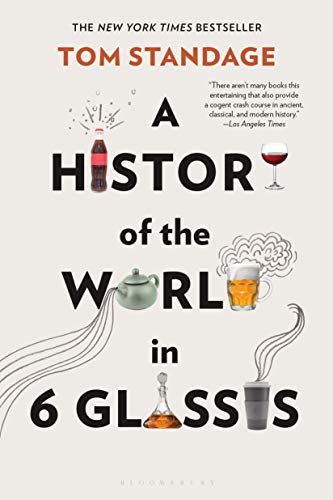
by Tom Standage
Standage uses the lens of six beverages—beer, wine, spirits, coffee, tea, and cola—to trace the development of human history, echoing the structure of Napoleon's Buttons. It is a highly accessible, engaging read that connects daily habits to massive historical transformations.

This book chronicles the accidental discovery of a synthetic dye and how it sparked a revolution in fashion, industry, and chemistry. It shares the same 'small discovery, big impact' narrative DNA as Napoleon's Buttons, making it a perfect follow-up for curious readers.

Ramirez explores how eight inventions—including clocks, steel rails, and silicon chips—have fundamentally reshaped human biology and culture. It bridges the gap between material science and history in a way that will feel very familiar and satisfying to fans of Napoleon's Buttons.

Following his success with Stuff Matters, Miodownik turns his attention to liquids, explaining the science of everything from ink to oil. It maintains the same accessible, enthusiastic, and highly informative tone that makes scientific history feel like a page-turner.
Love to read on the go?
Explore Kindle e-readers and take your books with you.
As an Amazon Associate, we earn from qualifying purchases.
As an Amazon Associate, we earn from qualifying purchases.