

Based on your book
Neurosapiens
by Roux, Anaïs
Neurosapiens sits at the intersection of clinical neurology and existential philosophy, acting as a mirror for the reader to examine their own cognitive architecture. Anaïs Roux avoids dry academic prose, instead opting for a narrative that feels like a long, late-night conversation about why we believe what we believe. The book dissects the biological impulses that dictate our social identities, often leaving you with a lingering sense of unease about how much of your personality is truly your own. It is a slow, methodical read that prioritizes deep reflection over quick answers. You will likely enjoy this if you are the type of person who finds themselves pondering the mechanics of human behavior during a commute or a quiet moment, and you prefer your science served with a heavy dose of cultural critique.
10 Books similar to 'Neurosapiens'
Since you enjoyed the blend of scientific rigor and human vulnerability in Neurosapiens, these selections were curated to deepen your exploration of the mind. Books like The Man Who Mistook His Wife for a Hat and Phantoms in the Brain provide the same compassionate clinical lens, while Behave and The Social Conquest of Earth offer the broader sociological context you might be craving. These titles all share that intellectual curiosity about why our brains work against us, perfect for readers interested in the messy, often contradictory reality of the human experience.
As an Amazon Associate, we earn from qualifying purchases.

by Oliver Sacks
Like Neurosapiens, this classic collection explores the fragility and complexity of the human brain through fascinating case studies. Readers who enjoy Roux's blend of scientific inquiry and human empathy will find Sacks' compassionate, narrative-driven approach to neurology deeply engaging.

This comprehensive work takes a deep dive into the biological underpinnings of human behavior, mirroring the analytical and informative nature of Neurosapiens. It provides a masterful, expansive look at why we do what we do, perfect for readers interested in the intersection of neuroscience and sociology.

Focusing on neuroplasticity, this book offers a hopeful and transformative perspective on the brain's ability to heal and adapt, much like the themes explored in Neurosapiens. It bridges the gap between hard science and human resilience, making it a compelling read for fans of the genre.

Eagleman investigates the subconscious processes that drive our daily lives, echoing the psychological curiosity found in Neurosapiens. His accessible writing style makes complex neurological concepts feel personal and urgent, perfect for readers who enjoy exploring the 'hidden' self.

Not sure what they've already read?
Let them pick their next favorite with an Amazon Gift Card.
As an Amazon Associate, we earn from qualifying purchases.

Ramachandran's exploration of neurological disorders is both scientifically rigorous and deeply humanistic, sharing the investigative spirit of Neurosapiens. Readers will appreciate how he uses strange clinical phenomena to unlock profound truths about the human experience and consciousness.
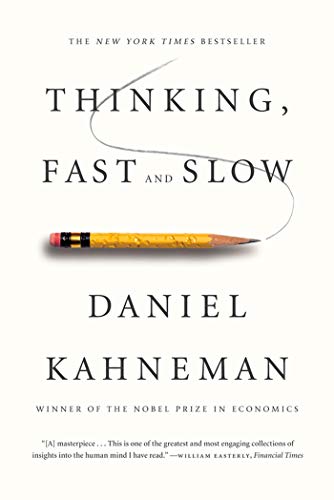
This landmark book dissects the two systems that drive our thought processes, offering a framework for understanding human error and judgment that complements the themes in Neurosapiens. It is an essential read for anyone fascinated by the mechanics of the human mind and decision-making.

Continuing his exploration of the mind, Ramachandran delves into the evolution of human consciousness and the neural basis of our unique traits. Fans of Neurosapiens will enjoy this blend of evolutionary biology and clinical neurology, which seeks to explain what makes us human.

by Gary Marcus
Marcus argues that the human brain is not a perfectly engineered machine but a 'kluge'—a collection of evolutionary patches, a perspective that aligns with the critical analysis found in Neurosapiens. It provides a witty and enlightening look at our cognitive limitations.

by Joshua Foer
While focused on memory, this book shares the investigative, 'deep dive' quality of Neurosapiens, as the author immerses himself in the world of competitive memory. It is a fascinating look at the limits and capabilities of the human brain that is both informative and narrative-driven.

Wilson explores the biological and evolutionary roots of human social behavior, providing a grand-scale context for the individual neurological focus of Neurosapiens. Readers who enjoy connecting brain science to broader societal structures will find this work deeply rewarding.

Prefer to listen?
Try Audible and hear the story instead of reading it.
As an Amazon Associate, we earn from qualifying purchases.
As an Amazon Associate, we earn from qualifying purchases.