
Based on your book
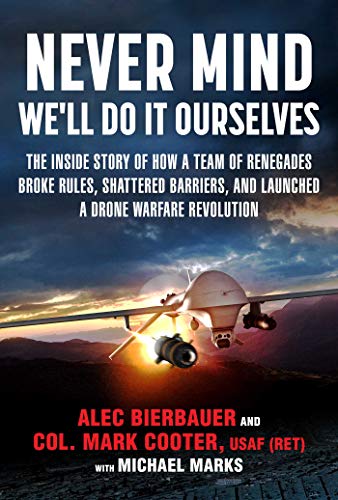
Never Mind, We'll Do It Ourselves
by Alec, Bierbauer
Alec Bierbauer takes you inside the room where the Predator drone was born, not as a polished military success, but as a scrappy, desperate experiment born from institutional frustration. This is the story of how a small, determined team bypassed the sluggish, rigid layers of the intelligence establishment to create a tool that fundamentally altered modern warfare. The writing feels like a late-night debriefing session—intense, analytical, and refreshingly candid about the friction required to get things done in Washington. It is not a textbook history but a gritty, human-centered account of what happens when visionaries decide that waiting for permission is a liability. You will appreciate this if you enjoy stories about high-stakes problem solving, the reality of navigating massive bureaucracies, and the sheer audacity required to turn a radical idea into reality.
10 Books similar to 'Never Mind, We'll Do It Ourselves'
Since you enjoyed the behind-the-scenes engineering grit and the battle against bureaucratic inertia in Bierbauer's account, these selections offer a deeper look at the intersection of technological audacity and intelligence history. We chose these books because they mirror the same spirit of innovation under pressure, whether in the deep-sea salvage of Project Azorian or the high-stakes aerospace engineering in Skunk Works. If you want to understand the broader geopolitical stakes of this 'do it ourselves' mentality, books like Ghost Wars and Kill Chain provide the essential, often sobering, context for how these tools change the world.
As an Amazon Associate, we earn from qualifying purchases.
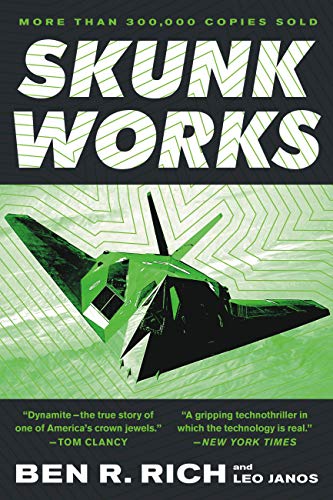
by Ben R. Rich
Like the Predator drone story, this memoir chronicles the high-stakes, innovative, and often secretive world of aerospace engineering. It captures the same spirit of defying bureaucracy to achieve technological breakthroughs that changed modern warfare.

by Steve Coll
This Pulitzer Prize-winning account provides the essential geopolitical context for the era in which the Predator drone was developed. Readers interested in the 'why' behind the technology will appreciate this deep dive into the intelligence failures and successes that preceded 9/11.

This book offers a gritty, behind-the-scenes look at the military and intelligence apparatus in Afghanistan, mirroring the 'do it ourselves' attitude found in Bierbauer's work. It provides a sobering look at how operational decisions are made on the ground versus in Washington.

by Fred Kaplan
This book explores the hidden history of cyber warfare, paralleling the evolution of the Predator drone as a technological game-changer. It focuses on the clash between visionaries and the established bureaucracy, a central theme in Bierbauer's narrative.

Love to read on the go?
Explore Kindle e-readers and take your books with you.
As an Amazon Associate, we earn from qualifying purchases.
For readers who enjoyed the 'skunkworks' ingenuity of the Predator program, this account of a secret CIA mission to salvage a Soviet submarine is a perfect match. It highlights the same blend of technical audacity and bureaucratic maneuvering.

This book offers a critical examination of the drone program's evolution, providing a broader, more skeptical perspective on the technology described in Bierbauer's memoir. It is an essential companion for understanding the long-term consequences of the 'do it ourselves' mentality.

This classic of intelligence literature details the secretive, high-stakes world of Cold War submarine operations, sharing the same 'insider' narrative style as Bierbauer's work. It emphasizes the ingenuity required to operate in the shadows.
This narrative follows the life of a CIA officer and the technical challenges of intelligence gathering, echoing the problem-solving focus of the Predator program. It provides a fascinating look at the individual initiative required to overcome institutional inertia.

by Thomas Rid
This book traces the history of cybernetics and automation, providing the intellectual framework for the technological shift that allowed for the Predator drone. It connects the dots between early engineering dreams and modern military reality.
by Kevin Conley
This account of a disastrous military operation highlights the chaotic, often desperate nature of intelligence and military planning. It serves as a stark contrast to the success of the Predator program, illustrating the high stakes of innovation and failure.

Not sure what they've already read?
Let them pick their next favorite with an Amazon Gift Card.
As an Amazon Associate, we earn from qualifying purchases.
As an Amazon Associate, we earn from qualifying purchases.