

Based on your book
Next Time Will Be Our Turn
by Sutanto, Jesse Q.
Jesse Q. Sutanto crafts a deeply personal narrative that strips away the veneer of a sheltered upbringing to expose the raw, often agonizing reality of surviving a high-control environment. This memoir is less about the mechanics of an escape and more about the psychological aftermath of being raised in a world where your identity is dictated by others. The pacing is reflective and deliberate, allowing you to sit with the author as they unpack layers of indoctrination and the heavy weight of familial expectation. It is an intense, sometimes bruising read, but it is also profoundly human. If you are someone who appreciates memoirs that prioritize emotional honesty over sensationalism, and if you are interested in the quiet, steady work of building a self after the foundations have been dismantled, this book will resonate with you.
10 Books similar to 'Next Time Will Be Our Turn'
If the emotional resonance of Sutanto's story leaves you wanting more, our curated list focuses on the messy, courageous process of reclaiming one's life. We have selected these titles because they mirror that specific intersection of trauma, isolation, and eventual liberation. Whether it is the struggle against religious extremism found in Unorthodox or the candid look at parental dysfunction in The Glass Castle, these books share a common thread of resilience. They are for readers who want to explore how we survive the environments that were meant to define us.
As an Amazon Associate, we earn from qualifying purchases.

Like Sutanto's memoir, this book explores the harrowing experience of growing up in an isolated, extremist environment and the arduous journey toward independence. It shares a powerful focus on family dynamics, the struggle for identity, and the resilience required to break free from a restrictive upbringing.

This memoir chronicles a chaotic and unconventional childhood, mirroring the themes of survival and family complexity found in Sutanto's work. It captures the bittersweet nature of looking back at a traumatic upbringing while acknowledging the deep, complicated love within a dysfunctional family.

Feldman's journey of leaving a restrictive, insular religious community resonates deeply with the themes of leaving a cult presented in Sutanto's memoir. Both books offer a brave, firsthand look at the search for autonomy and the personal cost of rejecting one's indoctrinated world.
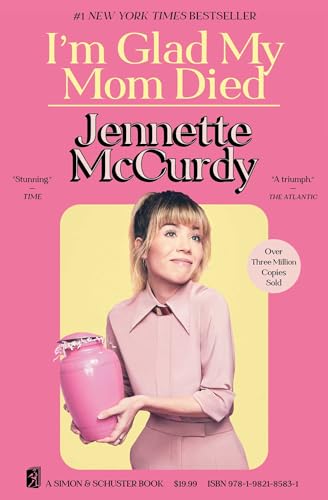
This memoir deals with the psychological toll of an controlling, abusive parental figure and the difficult path to reclaiming one's life. Readers who appreciated Sutanto's candid exploration of family trauma and the struggle for personal agency will find this narrative equally gripping and raw.

Prefer to listen?
Try Audible and hear the story instead of reading it.
As an Amazon Associate, we earn from qualifying purchases.

For readers fascinated by the mechanics of cult life and the terrifying process of escaping it, this memoir provides a harrowing, real-world parallel to Sutanto's experiences. It focuses heavily on the struggle for survival and the fight to protect oneself and one's family from oppressive control.
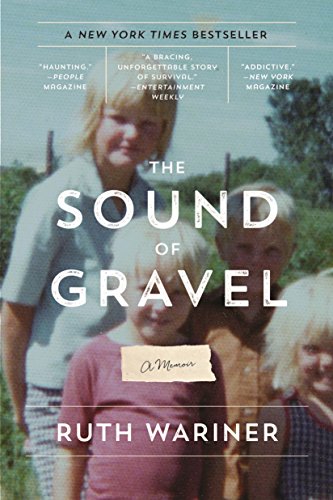
by Ruth Wariner
This memoir details a childhood spent within a polygamist cult, echoing the themes of isolation and the loss of innocence found in Sutanto's writing. It is a powerful testament to the human spirit's ability to endure and eventually escape a life dictated by others.

This book examines the complex, often damaging dynamic between a mother and child, focusing on the burden of secrets and the slow realization of a toxic environment. It shares the same introspective, narrative-driven approach to examining one's past that readers of Sutanto's memoir will recognize.

by Elissa Wall
Wall's account of her upbringing in the FLDS church offers a similar perspective on the psychological manipulation and control inherent in cult-like settings. It is a compelling read for those interested in the sociological and personal aspects of breaking free from high-control groups.

While the subject is medical rather than religious, this memoir captures the terrifying feeling of losing one's sense of self and reality, which mirrors the psychological disorientation described in Sutanto's work. Both books are deeply personal accounts of navigating a system that fails to understand or protect the individual.
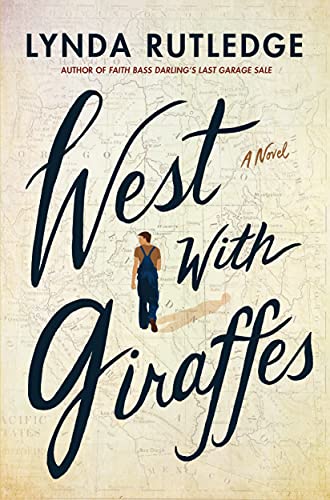
Though a work of historical fiction, this story captures a sense of discovery and the forging of an unconventional 'found family' that provides a lighter, yet still deeply emotional, contrast to the cult experiences in Sutanto's memoir. It offers a journey of self-discovery and connection that fans of character-driven narratives will appreciate.

Love to read on the go?
Explore Kindle e-readers and take your books with you.
As an Amazon Associate, we earn from qualifying purchases.
As an Amazon Associate, we earn from qualifying purchases.