

Based on your book
Nightfall and Other Stories
by Asimov, Isaac
Nightfall and Other Stories is a cerebral collection that functions less like traditional fiction and more like a series of intellectual laboratories. The title story remains the definitive example of Asimov’s talent for taking a singular, unsettling scientific premise—what happens to a civilization that has never known darkness when the suns finally set—and stretching it to its breaking point. As you move through the rest of the collection, you will find that Asimov is not interested in florid prose or character studies; he is interested in the cold, hard mechanics of moral dilemmas and the crushing weight of fate. The pacing is deliberate and precise, designed to lead you toward a logical, often uncomfortable conclusion. This book is for the reader who prefers a well-constructed thought experiment over emotional melodrama, and who enjoys stories that linger in the mind long after the final page.
10 Books similar to 'Nightfall and Other Stories'
If this collection sparked your curiosity about the intersection of logic and human fragility, these selections will serve as excellent next steps. We have curated these titles because they share Asimov’s obsession with the 'what if' scenario, prioritizing philosophical inquiry over standard action beats. Whether exploring the ethical quandaries of artificial intelligence, the vast indifference of the cosmos, or the inevitability of societal collapse, these authors all use speculative fiction to hold a mirror up to our own existential anxieties. You will find the same analytical rigor and satisfying, twist-heavy narrative structures here.
As an Amazon Associate, we earn from qualifying purchases.

by Ray Bradbury
Like Asimov, Bradbury uses science fiction as a lens to explore the human condition, focusing on the colonization of Mars and the inevitable clash of cultures. Fans of Asimov's short story structure will appreciate how these interconnected tales build a larger, philosophical narrative about human nature.

by Isaac Asimov
If you enjoyed the intellectual puzzle-solving of Nightfall, this foundational collection is essential for understanding Asimov's logic-driven approach to science fiction. It explores the ethical complexities of artificial intelligence through a series of interconnected, thought-provoking vignettes.
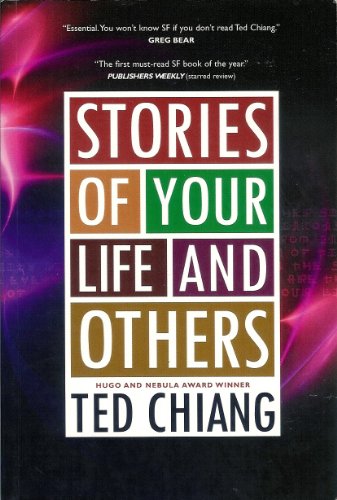
by Ted Chiang
Chiang is the modern successor to Asimov's tradition of 'hard' science fiction that prioritizes big, mind-bending concepts over action. Each story functions like a scientific thought experiment, challenging the reader's perception of language, time, and reality.

by Ray Bradbury
This collection of short stories shares the same mid-century sci-fi DNA as Asimov's work, utilizing speculative scenarios to critique societal anxieties. Its blend of high-concept imagination and human drama makes it a perfect companion for readers who enjoy Asimov's shorter, punchy narratives.

Love to read on the go?
Explore Kindle e-readers and take your books with you.
As an Amazon Associate, we earn from qualifying purchases.

by Ted Chiang
Chiang excels at taking a single scientific or philosophical 'what if' and following it to its logical, often startling conclusion, much like Asimov. These stories are deeply cerebral and will satisfy readers who love the analytical nature of Asimov's prose.

Clarke, a contemporary of Asimov, shares a similar mastery of the 'Big Idea' story, often focusing on humanity's place in a vast, indifferent universe. This collection features the short story that inspired '2001: A Space Odyssey' and captures that same sense of awe and scientific wonder.
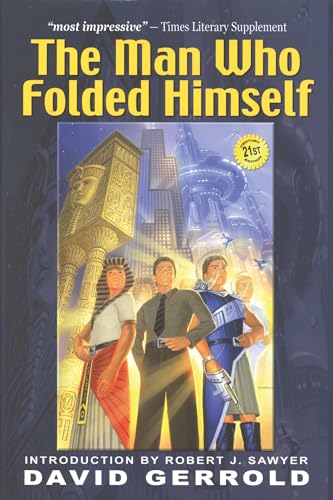
This novel takes the scientific curiosity found in Asimov's work and applies it to the paradoxes of time travel. It is a deeply analytical look at the consequences of changing one's own timeline, perfect for readers who enjoy Asimov's focus on logic puzzles.

This collection showcases Clarke's ability to blend scientific speculation with profound, often ironic, philosophical questions. Fans of Asimov's 'Nightfall' will recognize the same talent for creating short, impactful stories with a final twist that recontextualizes the entire narrative.

by Roald Dahl
While Dahl is known for different genres, his short stories share the same structural precision and 'twist ending' satisfaction that Asimov employed in his fiction. These stories are masterclasses in pacing and irony, appealing to readers who enjoy the tight, calculated storytelling of Asimov.

by Isaac Asimov
If you enjoyed the themes of societal collapse and the inevitability of history in 'Nightfall', the Foundation series is the ultimate expansion of those ideas. It explores the macro-scale of human civilization with the same logical, analytical rigor found in Asimov's short stories.

Not sure what they've already read?
Let them pick their next favorite with an Amazon Gift Card.
As an Amazon Associate, we earn from qualifying purchases.
As an Amazon Associate, we earn from qualifying purchases.