
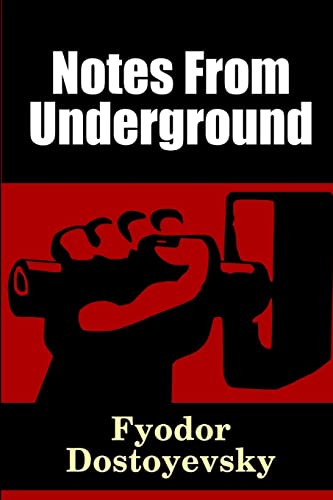
Based on your book
Notes From Underground
by Fyodor Dostoyevsky
Notes From Underground drops you directly into the mind of a truly infuriating, brilliant, and deeply unhappy man. It's less a story and more an unfiltered, scathing monologue from a retired civil servant who has chosen to retreat into his own bitterness. You'll spend your time wrestling with his contradictory thoughts, his desperate desire for connection warring with his contempt for everyone around him, and his often-hilarious, often-tragic self-awareness. The experience is intimate, claustrophobic, and utterly absorbing, like reading a private diary full of raw, unvarnished human ugliness and profound philosophical questions. This is for readers who crave a deep psychological dive, who aren't afraid of an anti-hero, and who enjoy grappling with big ideas about freedom, consciousness, and the messy reality of human nature, all delivered with Dostoyevsky's signature intensity.
10 Books similar to 'Notes From Underground'
If you found yourself captivated by the raw, often unsettling introspection of the Underground Man, these books will resonate deeply. We've gathered titles that explore similar depths of psychological isolation and existential crisis, often through the lens of an unreliable narrator or a protagonist grappling with alienation from society. You'll find other anti-heroes wrestling with their own minds, delivering biting social commentary, and forcing you to confront uncomfortable truths about human nature, just as Dostoyevsky does. Each one offers a unique, yet familiar, journey into the darker, more philosophical corners of the human psyche.
As an Amazon Associate, we earn from qualifying purchases.

by Albert Camus
Like the Underground Man, Meursault is a detached protagonist who views society with profound indifference and alienation. This classic exploration of absurdity and the human condition mirrors the existential dread and philosophical weight found in Dostoyevsky's work.

This novel serves as a spiritual successor to Notes From Underground, focusing on a protagonist who becomes increasingly alienated from his own existence. It captures the same sense of visceral disgust toward the mundane and the search for meaning in a seemingly meaningless world.

by Knut Hamsun
Hamsun's masterpiece features a starving, erratic narrator whose internal monologues and irrational behavior closely resemble the spiteful, self-sabotaging nature of the Underground Man. It is a raw, psychological deep dive into the effects of poverty and social exclusion on the human psyche.

Ellison's narrator lives in a literal and metaphorical 'underground' state, grappling with invisibility and social rejection. The book shares the same intellectual vigor and scathing social critique, exploring how society forces certain individuals into a state of isolation.

Love to read on the go?
Explore Kindle e-readers and take your books with you.
As an Amazon Associate, we earn from qualifying purchases.

by Albert Camus
Structured as a series of self-confessional monologues, this book echoes the direct address and confrontational tone of Dostoyevsky's narrator. It is a biting examination of guilt, hypocrisy, and the vanity of the modern intellectual.

by Osamu Dazai
This semi-autobiographical novel captures the same profound sense of alienation and the inability to comprehend or join human society. The narrator's self-loathing and psychological disintegration will resonate deeply with fans of the Underground Man's confessions.

If you enjoyed the psychological complexity of the Underground Man, Raskolnikov's internal struggle with morality and superiority offers a more expansive narrative on similar themes. It explores the consequences of the same radical individualism and intellectual pride.

Harry Haller is a man divided between his human nature and his 'wolf-like' instincts, much like the Underground Man is torn between his intellect and his emotions. The novel explores the pain of being an intellectual misfit in a bourgeois world.

Céline's misanthropic, cynical prose style is a direct descendant of the Underground Man's voice. This nihilistic journey through the horrors of war and modern life is both darkly humorous and deeply disturbing.

Mishima's protagonist struggles with a hidden identity and the performance of social norms, echoing the Underground Man's preoccupation with how he is perceived. It is a highly analytical and introspective look at the conflict between the internal self and the external world.

Not sure what they've already read?
Let them pick their next favorite with an Amazon Gift Card.
As an Amazon Associate, we earn from qualifying purchases.
As an Amazon Associate, we earn from qualifying purchases.