

Based on your book
Oblomov
by Goncharov, Ivan
Oblomov introduces us to Ilya Ilyich Oblomov, a man so profoundly inert he can barely rouse himself from bed, let alone tackle the responsibilities of his estate or the expectations of society. This isn't a story of grand adventure, but an intimate, almost voyeuristic look into a life defined by inaction and a yearning for a lost, idyllic past. Goncharov's novel unfolds with a deliberate, almost dreamlike pace, inviting you to reflect on ambition, purpose, and the weight of societal demands versus personal inclination. It's a melancholic, often subtly humorous, and deeply introspective experience, perfect for readers who appreciate patient character studies and philosophical explorations of the "superfluous man" — someone who feels disconnected from the world's hustle and bustle. Expect to ponder the quiet tragedy of unfulfilled potential.
10 Books similar to 'Oblomov'
If you found yourself captivated by Oblomov's profound inaction and his struggle with the demands of the world, our curated list will resonate deeply. We've gathered books that explore similar themes of the "superfluous man" and the quiet despair of an existential crisis, where characters grapple with purpose and their place in society. These selections, from Lermontov's Pechorin to Melville's Bartleby, delve into the psychological depths of individuals who, in various ways, resist the conventional path, offering more introspection, social commentary, and melancholy reflection on lives unlived.
As an Amazon Associate, we earn from qualifying purchases.

This Russian classic introduces Pechorin, another quintessential "superfluous man" whose cynicism and inability to find purpose mirror Oblomov's unfulfilled potential, though Pechorin is more active in his disillusionment. Readers will appreciate the deep psychological introspection and social critique of 19th-century Russian society.

by Leo Tolstoy
Though a novella, this work profoundly explores an ordinary man's confrontation with his own mortality and the superficiality of his life, echoing Oblomov's eventual reckoning with his idleness and the societal expectations he failed to meet. It offers a powerful, introspective journey into self-discovery.

This satirical epic offers a sprawling, often humorous, and deeply critical look at Russian society, its bureaucracy, and human follies, much like Goncharov's observational lens on Oblomov's world. Readers will find a similar leisurely pace and rich character studies.

This novel delves into the ideological clashes between generations in 19th-century Russia, featuring characters who, like Oblomov, grapple with their place in a changing world and often struggle with decisive action or purpose. It provides a nuanced look at societal evolution and personal identity.

Not sure what they've already read?
Let them pick their next favorite with an Amazon Gift Card.
As an Amazon Associate, we earn from qualifying purchases.

by Robert Musil
This monumental work explores the paralysis of action and the intellectual's search for meaning in pre-WWI Austria, presenting a European counterpart to Oblomov's "superfluous man" through a vast, analytical, and deeply introspective narrative. It is a profound study of inaction and societal introspection.

by Thomas Mann
This multi-generational family saga chronicles the decline of a wealthy merchant family, focusing on the internal lives and struggles of its members, reflecting Oblomov's themes of societal decay, unfulfilled potential, and the burden of inherited expectations. It's a rich, melancholic portrait of a fading era.
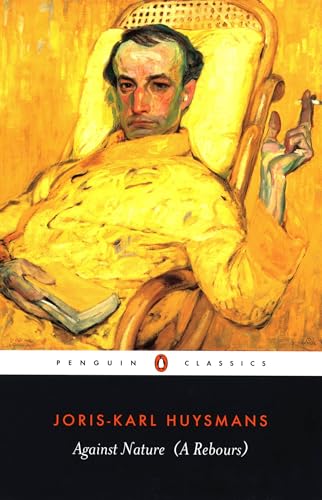
This decadent novel centers on Jean des Esseintes, an aristocrat who withdraws from society into an artificial world of refined sensations, mirroring Oblomov's retreat from reality into his dreams and inertia. It's a deep dive into aestheticism, ennui, and the rejection of the mundane.

This concise yet profound novella features a character whose passive resistance, encapsulated by his famous phrase "I would prefer not to," embodies a radical inertia and rejection of societal expectations, echoing Oblomov's fundamental inability to act. It's a thought-provoking study of passivity and human nature.

While much darker and more cynical, this novel follows a deeply disillusioned protagonist through life's absurdities, offering a similar, albeit more extreme, critique of human existence and society, and a sense of profound passivity in the face of overwhelming forces, akin to Oblomov's resignation.

This novel employs a complex, unreliable narrative to unravel the tragic story of two couples, imbued with psychological depth and a pervasive sense of disillusionment, reflecting Oblomov's contemplative and often melancholic exploration of unfulfilled lives and hidden truths. Its slow, deliberate pacing will appeal to fans.

Prefer to listen?
Try Audible and hear the story instead of reading it.
As an Amazon Associate, we earn from qualifying purchases.
As an Amazon Associate, we earn from qualifying purchases.