

Based on your book
Of Boys and Men
by Reeves, Richard V.
Richard Reeves tackles a difficult, often polarized topic with a refreshing commitment to nuance and data. He argues that we are witnessing a systemic struggle among boys and men across education, the workforce, and family life, shifting the focus away from culture war tropes toward structural reality. The experience of reading this is intellectual and measured; he avoids inflammatory rhetoric, opting instead for a steady, analytical approach that invites you to look at the numbers and consider the long-term consequences of our current social trajectory. This is not a manifesto meant to ignite anger, but a calm, evidence-based prompt for a more sophisticated conversation. If you are the type of reader who prefers sociological inquiry over ideological shouting matches, this book provides the framework to rethink how we support the male half of the population.
10 Books similar to 'Of Boys and Men'
If this analysis of male identity resonated with you, our curated list leans into the complex intersections of sociology, economics, and psychology that Reeves only begins to map. We selected these titles because they bridge the gap between hard data and the lived, emotional experience of modern masculinity. Whether you want to dig deeper into the economic roots of the labor crisis, explore the developmental challenges boys face in school, or understand the restrictive cultural scripts that limit emotional expression, these books provide the essential context to round out your perspective on this shifting landscape.
As an Amazon Associate, we earn from qualifying purchases.

by Warren Farrell and John Gray
This book serves as a foundational companion to Reeves' work, offering a deeply researched analysis of the systemic issues boys face in education, mental health, and family life. It provides a similar blend of data-driven insights and urgent societal commentary regarding the future of masculinity.

by J.D. Vance
While focused on a specific demographic, Vance's memoir explores the disintegration of the working-class American family and the specific struggles of men in that environment. It resonates with Reeves' exploration of the 'lost' male experience and the structural factors influencing life outcomes.
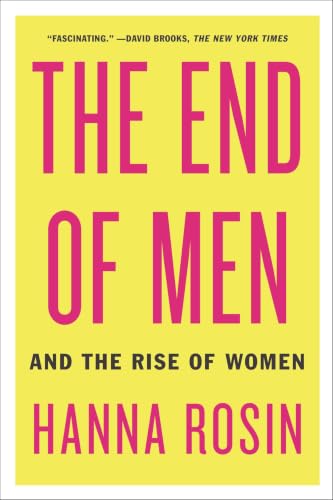
by Hanna Rosin
Rosin provides the essential counter-perspective to Reeves, documenting the rise of women in the workforce and the corresponding decline of traditional male dominance. Readers who enjoyed Reeves' analysis of gender shifts will find this book an indispensable piece of the broader puzzle.

Moving from the policy-heavy approach of Reeves to the personal and emotional, Baldoni explores the restrictive nature of modern masculinity. It is a perfect follow-up for readers looking to understand the internal, psychological toll of the societal expectations Reeves describes.

Not sure what they've already read?
Let them pick their next favorite with an Amazon Gift Card.
As an Amazon Associate, we earn from qualifying purchases.

To truly understand the gender dynamics Reeves discusses, one must engage with the seminal text on the social construction of gender. It provides the historical and philosophical framework that underpins modern discourse on what it means to be a man or a woman.

Kimmel investigates the 'guy culture' that emerges when young men feel adrift, providing a sociological deep dive into the behaviors and environments that Reeves touches upon. It is a crucial read for understanding the peer-group dynamics that shape modern male identity.

by Leonard Sax
Sax focuses specifically on the educational and developmental challenges boys face in the modern classroom, mirroring Reeves' concerns about the 'boy crisis' in schools. It offers a more focused look at the early-life factors that contribute to the trends identified by Reeves.
Eberstein provides a rigorous economic analysis of the decline of male labor force participation, offering the hard data that supports many of Reeves' arguments. It is an essential read for those interested in the structural and economic roots of the male experience.

by Dan Kindlon and Michael Thompson
This book explores the emotional life of boys and how societal pressures often force them to suppress their feelings, leading to the crises Reeves highlights later in life. It acts as a prequel of sorts, focusing on the developmental stages of boyhood.
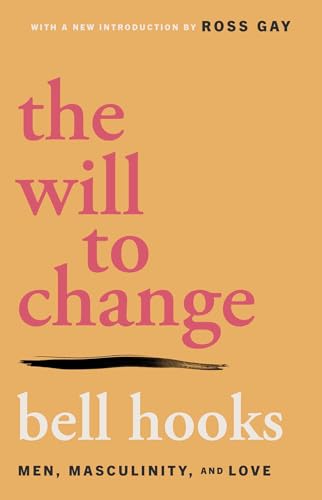
by bell hooks
Hooks offers a profound examination of how patriarchy harms men by denying them emotional wholeness, providing a necessary intersectional lens to Reeves' arguments. Her work adds a layer of depth regarding the cultural and emotional costs of traditional masculinity.

Prefer to listen?
Try Audible and hear the story instead of reading it.
As an Amazon Associate, we earn from qualifying purchases.
As an Amazon Associate, we earn from qualifying purchases.