

Based on your book
Oil Beach
by Dunbar-Hester, Christina
Oil Beach pulls back the curtain on the industrial landscape of the Los Angeles harbor, a place where the machinery of global trade collides with the fragile reality of local ecology. Christina Dunbar-Hester moves beyond standard environmental reporting, instead offering a patient, observational study of how these massive petrochemical infrastructures dictate the rhythm of life for both humans and wildlife. The writing is deliberate and analytical, demanding a slow, contemplative pace that mirrors the heavy, persistent presence of the shipping docks. It is not a book for those seeking quick answers or high-octane drama; rather, it is for the reader who wants to understand the hidden, uncomfortable geography of our modern economy. If you are drawn to sociological deep dives that challenge how we view the relationship between human industry and the natural world, this will stay with you long after the final page.
10 Books similar to 'Oil Beach'
To deepen your understanding of the themes explored in Oil Beach, we have curated a list that bridges the gap between raw industrial history and environmental justice. Works like Petrochemical America and Toxic Communities provide the visual and sociological evidence needed to contextualize the systemic harm Dunbar-Hester describes. By pairing these with broader structural critiques like Slow Violence, you can better grasp the invisible, long-term impact of infrastructure on local communities. These selections expand on the book's core tension between human progress and ecological survival, offering a comprehensive look at the landscapes we often overlook.
As an Amazon Associate, we earn from qualifying purchases.

Like Dunbar-Hester, Tsing masterfully blends deep ethnographic research with environmental critique, examining how life persists in landscapes damaged by industrial capitalism. It offers a similarly rigorous, intellectual look at the intersections of ecology and human systems.
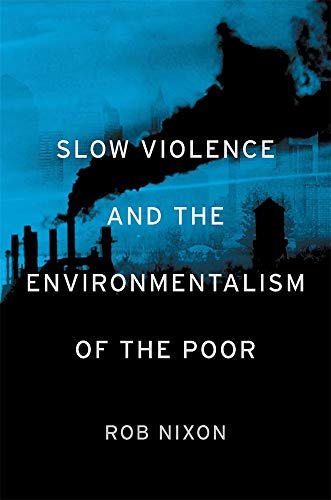
by Rob Nixon
This book provides the essential theoretical framework for understanding the 'slow' destruction of environments like the one described in Oil Beach. Readers interested in the political and temporal dimensions of environmental degradation will find this analysis indispensable.

by Jane Jacobs
A foundational text for anyone interested in urban environments, Jacobs' work shares the same focus on how infrastructure shapes human experience and community. It provides the historical and sociological context for the urban planning challenges discussed in Dunbar-Hester's work.

by Richard Misrach and Kate Orff
Combining photography and ecological research, this book documents the 'Cancer Alley' region of the Mississippi River, mirroring the visual and investigative approach to industrial toxicity found in Oil Beach. It is a powerful exploration of the human cost of petrochemical infrastructure.

Not sure what they've already read?
Let them pick their next favorite with an Amazon Gift Card.
As an Amazon Associate, we earn from qualifying purchases.
by Kevin Starr
For readers fascinated by the specific locale of the Los Angeles ports, this comprehensive history provides the necessary background on how the city's development created the environmental and labor conditions analyzed in Oil Beach.

Dougherty explores the complex, often broken systems of urban infrastructure and policy in California, making it a perfect companion to Oil Beach. Both books examine how large-scale systems impact the daily lives and environments of ordinary people.
This work offers a more direct historical account of the port itself, providing the granular details about the industrial evolution that Dunbar-Hester critiques. It is essential reading for those wanting to understand the physical and economic landscape of Oil Beach.

Flowers provides a deeply personal and systemic look at environmental injustice in rural America, echoing the themes of marginalized communities living alongside toxic infrastructure. It bridges the gap between academic analysis and lived experience.

by Brian Hayes
While broader in scope, this book helps readers appreciate the hidden, complex systems that make modern life possible, which is a central theme in Oil Beach. It provides a fascinating look at the 'behind the scenes' mechanics of our world.

Taylor's work is a vital sociological study that directly addresses the intersection of race, class, and environmental hazards. It provides the academic rigor and social justice focus that underpins the arguments made in Oil Beach.

Prefer to listen?
Try Audible and hear the story instead of reading it.
As an Amazon Associate, we earn from qualifying purchases.
As an Amazon Associate, we earn from qualifying purchases.