
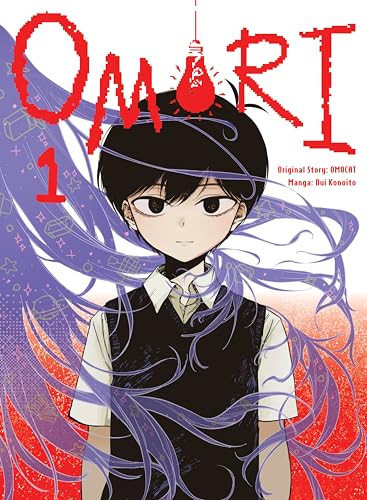
Based on your book
OMORI 1
by OMOCAT
OMORI 1 follows a young boy living in a monochrome, liminal space who eventually ventures into a vibrant, dream-like world alongside his loyal friends. Yet, beneath the surface of this nostalgic adventure lies a fractured sense of reality and a pervasive feeling of dread. The narrative functions as a psychological puzzle, slowly unraveling the protagonist's repressed memories and the heavy, unspoken secrets anchoring him to his past. The experience is intentionally disorienting; it shifts between the comforting aesthetic of childhood play and the visceral, unsettling nature of unprocessed trauma. This is a story for readers who enjoy stories that demand active participation in piecing together a broken psyche. If you are drawn to narratives that explore the thin veil between imagination and reality, and you do not mind a story that leans into the melancholy, this will stay with you long after the final page.
10 Books similar to 'OMORI 1'
Since OMORI 1 thrives on the intersection of surreal landscapes and the weight of buried trauma, our recommendations focus on stories that mirror that specific internal unraveling. We have curated a list that highlights the struggle of the unreliable narrator and the haunting process of confronting one's own history. Whether through the gothic atmosphere of a hidden past, as seen in The Shadow of the Wind, or the experimental, disorienting descent found in House of Leaves, these books share the same DNA of existential inquiry and the painful, necessary work of facing what we have tried to forget.
As an Amazon Associate, we earn from qualifying purchases.

by Neil Gaiman
Like OMORI, this story blurs the lines between childhood memory and surreal, often terrifying fantasy to explore deep-seated trauma. It captures that specific feeling of returning to a past that is both nostalgic and deeply unsettling.

For readers who appreciated the psychological unraveling and surreal, shifting environments of OMORI, this book offers an intense, disorienting experience. It uses experimental formatting to mirror the protagonist's descent into madness and obsession.


by Patrick Ness
This book is a profound exploration of grief and the difficulty of accepting painful truths, themes that sit at the core of OMORI. It uses a fantastical element to help a young protagonist process a reality that is too heavy to bear alone.

Love to read on the go?
Explore Kindle e-readers and take your books with you.
As an Amazon Associate, we earn from qualifying purchases.

While less surreal, it perfectly encapsulates the deep sense of alienation, cynicism, and struggle with growing up that defines the teenage experience in OMORI. It focuses heavily on the internal monologue of a youth struggling to connect with the world around him.

This story features a protagonist living in a vast, labyrinthine, and dream-like world, mirroring the surreal headspace of the main character in OMORI. As the mystery of the world unfolds, the reader uncovers a tragic reality about the protagonist's past.

by Daniel Keyes
This classic explores the fragility of the human mind and the pain of memory, resonating with the psychological weight of OMORI. The narrative structure, which changes as the protagonist's mental state shifts, creates a deeply empathetic and tragic experience.

This novel shares the 'found family' dynamic and the exploration of repressed trauma that is central to OMORI. It deals with the difficulty of navigating high school while carrying the weight of past, painful memories.

by Iain Reid
This is a taut, unsettling psychological thriller that plays with the concept of identity and memory in a way that will feel familiar to OMORI fans. The narrative is constantly shifting, forcing the reader to piece together a fragmented reality.

For those who enjoyed the mystery and gothic atmosphere of OMORI, this book offers a sprawling, atmospheric investigation into the past. It captures the feeling of a 'hidden world' existing just beneath the surface of everyday life.

Not sure what they've already read?
Let them pick their next favorite with an Amazon Gift Card.
As an Amazon Associate, we earn from qualifying purchases.
As an Amazon Associate, we earn from qualifying purchases.