

Based on your book
On the Swamp
by Ryan Emanuel
Ryan Emanuel's On the Swamp invites you into the unique, vital landscapes of Eastern North Carolina through the eyes of a Lumbee scientist. This book feels like a thoughtful, deeply personal conversation about the enduring presence and resilience of Indigenous peoples amidst centuries of environmental change and colonial pressures. Emanuel blends scientific insight with heartfelt stories, creating a reading experience that is both informative and profoundly moving. You'll gain a deeper understanding of the connections between land, culture, and environmental justice, and the ongoing fight for self-determination. This is a powerful read for anyone interested in Indigenous perspectives, environmental advocacy, and the complex relationship between people and place.
10 Books similar to 'On the Swamp'
If Ryan Emanuel's On the Swamp resonated with you, you'll find kindred spirits in our curated recommendations. These books, much like Emanuel's work, beautifully merge scientific understanding with a deep, often personal, connection to specific landscapes. They explore vital ecosystems, highlight Indigenous wisdom, and offer compelling social commentary on human impact and the urgent need for environmental justice. You'll recognize the thoughtful, knowledgeable, and empowering tone in authors who advocate for protecting our natural world and its interwoven cultures.
As an Amazon Associate, we earn from qualifying purchases.

Like "On the Swamp," this book beautifully intertwines scientific understanding with cultural and indigenous perspectives to explore our relationship with the natural world. Kimmerer's lyrical prose and deep reverence for the land will resonate with readers who appreciate Emanuel's reflective and informative approach to ecology and place.
This book offers a comprehensive deep dive into the history, ecology, and political battles surrounding the Florida Everglades, mirroring Emanuel's focused exploration of specific wetland ecosystems. Readers will appreciate the detailed historical deep dive and the examination of human impact on a vital, threatened landscape.
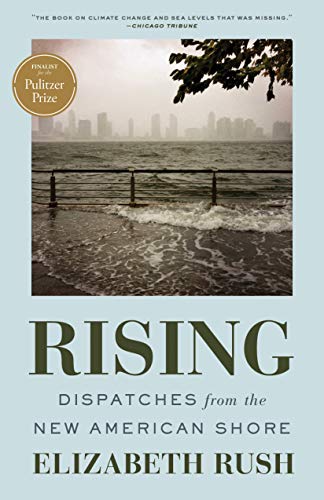
Rush's investigative and deeply personal account explores the impacts of rising sea levels on coastal communities, echoing "On the Swamp"'s concern for vulnerable ecosystems and human resilience in the face of environmental change. It blends scientific reporting with intimate human stories, creating a powerful and urgent narrative.

A classic of nature writing, Dillard's intensely observational and philosophical exploration of a single natural place mirrors Emanuel's deep dive into the intricacies of the swamp. Fans will appreciate the lyrical prose, contemplative tone, and profound reflections on the natural world and humanity's place within it.

Not sure what they've already read?
Let them pick their next favorite with an Amazon Gift Card.
As an Amazon Associate, we earn from qualifying purchases.

Davis provides a sweeping environmental history of the Gulf of Mexico, examining its ecology, human exploitation, and cultural significance, much like Emanuel does for swamps in general. This book offers a rich, informative narrative about a vital Southern ecosystem and its complex relationship with people.

Williams weaves together her personal story of family loss with the ecological crisis facing the Bear River Migratory Bird Refuge, creating a powerful narrative that connects personal grief with environmental devastation. This blend of memoir and environmental advocacy will resonate with readers who appreciate the personal and reflective aspects of "On the Swamp."

by Edward Abbey
While set in a desert rather than a swamp, Abbey's passionate and often provocative essays about wilderness preservation and the human impact on natural landscapes share a similar spirit of advocacy and deep connection to place. Readers will appreciate the strong narrative voice and the call to protect wild spaces.

Kolbert's Pulitzer-winning work masterfully explores the history of extinction events and humanity's role in the current biodiversity crisis, offering a broader scientific and historical context to the environmental concerns raised in "On the Swamp." It's an essential read for those interested in the larger ecological picture.
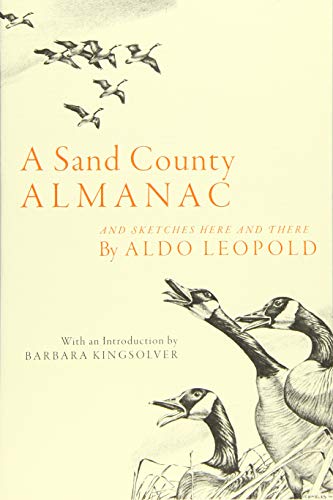
by Aldo Leopold
A foundational text in environmental ethics, Leopold's collection of essays reflects deeply on the relationship between humans and the land, advocating for a "land ethic" that views nature with respect. Its observational style and philosophical depth will appeal to readers who appreciate the reflective and informative nature of "On the Swamp."
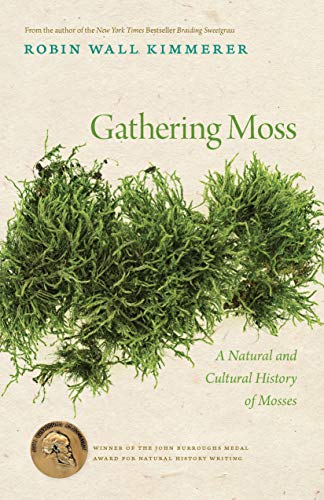
In this intimate exploration, Kimmerer delves into the often-overlooked world of mosses, blending scientific rigor with personal reflection and cultural insights. Like "On the Swamp," it encourages a deeper, more appreciative look at specific, often undervalued, natural elements and their significance.

Prefer to listen?
Try Audible and hear the story instead of reading it.
As an Amazon Associate, we earn from qualifying purchases.
As an Amazon Associate, we earn from qualifying purchases.