

Based on your book
One-Dimensional Man
by Herbert Marcuse
Herbert Marcuse argues that modern industrial society has created a false sense of contentment that effectively neutralizes dissent. Instead of overt oppression, we are managed by technological rationality and the constant pursuit of consumer goods, which together shrink our internal lives until we become one-dimensional creatures. The prose is dense, demanding, and deeply cynical, forcing you to look at your daily routines and personal desires as products of a larger systemic design. It is not an easy read; it feels like an intellectual interrogation where the author slowly dismantles your assumptions about freedom and choice. This is for the reader who feels uneasy about the glossy veneer of modern life and wants to understand the philosophical architecture behind our collective inability to imagine a different way of living.
10 Books similar to 'One-Dimensional Man'
Once you have grappled with Marcuse, you might find yourself looking for more ways to map the architecture of our control. The books we have selected here expand on his theories, moving from the psychological weight of conformity in Escape from Freedom to the grim, practical realities of Capitalist Realism. Whether you want to analyze how media shapes our perception like Postman or explore the fiction of a society that has traded its soul for comfort, these titles capture that same chilling realization that our autonomy is far more fragile than it appears.
As an Amazon Associate, we earn from qualifying purchases.

by Guy Debord
Like Marcuse, Debord offers a scathing critique of modern capitalist society, focusing on how media and consumption replace authentic life with images. It is essential reading for anyone interested in the philosophical roots of how technological advancement shapes human consciousness.

This classic dystopian novel dramatizes the very technological and consumerist control that Marcuse critiques in his non-fiction. It provides a fictional mirror to the 'one-dimensional' existence where comfort and stability are prioritized over critical thought and freedom.

by Max Horkheimer and Theodor W. Adorno
As foundational members of the Frankfurt School alongside Marcuse, these authors explore how the Enlightenment's promise of reason turned into its opposite. This text is the intellectual bedrock upon which Marcuse built his arguments regarding the irrationality of rationalized society.

by Neil Postman
Postman applies the critical theory lens to television and media, arguing that the medium itself dictates the degradation of public discourse. It serves as a modern, accessible companion to Marcuse’s concerns about how technology flattens human experience.

Love to read on the go?
Explore Kindle e-readers and take your books with you.
As an Amazon Associate, we earn from qualifying purchases.

Ellul provides a comprehensive critique of 'technique' as the defining force of modern civilization, paralleling Marcuse's analysis of technological rationality. It is a dense, rigorous examination of how efficiency and standardization strip away human autonomy.
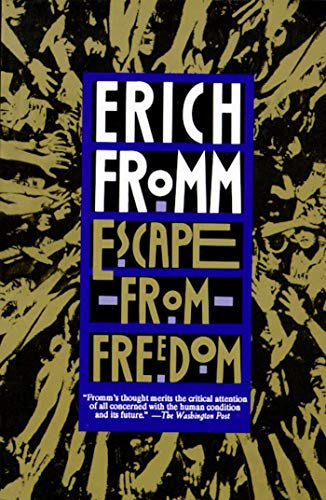
by Erich Fromm
Fromm explores the psychological toll of modern industrial society and why individuals often surrender their freedom to authoritarian structures. His psychoanalytic approach complements Marcuse’s sociological critique by examining the internal state of the 'one-dimensional' human.

While Marcuse focused on the subtle, consumer-driven control of the West, Orwell focused on the overt, state-driven control of totalitarianism. Together, they represent the two sides of the coin regarding the loss of individual autonomy in the 20th century.
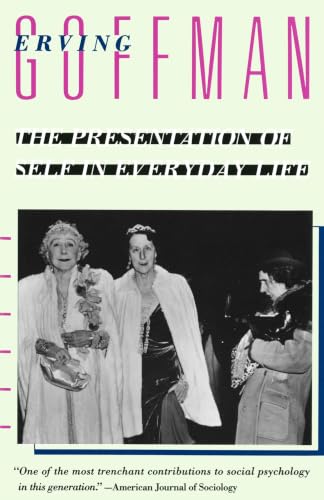
Goffman analyzes social interaction as a theatrical performance, which aligns with Marcuse’s interest in how individuals are forced into roles by societal structures. It provides a sociological framework for understanding the 'masks' we wear in a consumerist culture.

by Mark Fisher
Fisher updates the Frankfurt School critique for the 21st century, arguing that it is easier to imagine the end of the world than the end of capitalism. This book is the spiritual successor to Marcuse, dealing with the pervasive sense of 'no alternative' that defines contemporary life.

by Albert Camus
Camus provides a philosophical investigation into the nature of rebellion and the human condition, offering a counterpoint to the resignation Marcuse describes. It is essential for readers who want to explore how to maintain human dignity within a rigid, oppressive system.

Not sure what they've already read?
Let them pick their next favorite with an Amazon Gift Card.
As an Amazon Associate, we earn from qualifying purchases.
As an Amazon Associate, we earn from qualifying purchases.