

Based on your book
Optical Illusions
by Seckel, Al
Optical Illusions is a methodical exploration of the gaps between what our eyes record and what our brains interpret. Instead of just listing tricks, Seckel presents a curated gallery of visual paradoxes that force you to slow down and question your own sensory processing. The experience is meditative and highly analytical; you will find yourself staring at a single page for minutes, trying to resolve the tension between logic and sight. It is less a book you read and more an exercise you perform. This is for the reader who enjoys feeling like an outsider to their own biology, or for anyone who finds satisfaction in the quiet frustration of a puzzle that refuses to be solved. If you appreciate precision, geometry, and the subtle art of being wrong about reality, this collection will keep you occupied for hours.
10 Books similar to 'Optical Illusions'
When you finish Optical Illusions, you are likely left with a lingering curiosity about the mechanics of human cognition. We chose this list to help you bridge the gap between visual wonder and scientific understanding. Whether you want to dive into the neurology of perception with Oliver Sacks, explore the mathematical beauty of recursion in Hofstadter, or sharpen your observational skills through art, these titles capture that same intellectual itch. Each selection celebrates the way our brains construct meaning, turning the act of looking into an active, analytical, and deeply rewarding pursuit.
As an Amazon Associate, we earn from qualifying purchases.
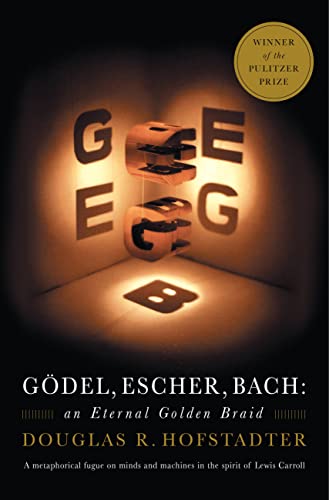
Like Seckel's work, this masterpiece explores the recursive nature of perception, logic, and art through mind-bending puzzles and visual metaphors. It is a dense, intellectual journey that challenges how the human brain constructs reality.

by Oliver Sacks
This collection of clinical case studies delves into the strange and fascinating ways the brain processes sensory information, mirroring the psychological intrigue found in optical illusions. It offers a profound, compassionate look at how our perception defines our existence.

This is a foundational text that explains the mechanics behind the illusions Seckel showcases, bridging the gap between biology and art. It provides the 'how' and 'why' for readers who want to understand the science of visual perception.

by John Lloyd and John Mitchinson
Much like a book of optical illusions, this work delights in upending common assumptions and revealing that what we think we know is often incorrect. It shares the playful, curious spirit of Seckel's puzzles while focusing on factual misconceptions.

Not sure what they've already read?
Let them pick their next favorite with an Amazon Gift Card.
As an Amazon Associate, we earn from qualifying purchases.
This book acts as a practical guide to the cognitive quirks and visual biases that optical illusions exploit. It encourages readers to experiment with their own perception, making it an interactive companion to Seckel's visual collections.

This book teaches readers how to look more closely at the world, using art and visual puzzles to sharpen observational skills. It connects the appreciation of optical illusions to practical, real-world benefits in critical thinking.
For those who appreciate the aesthetic and design-forward nature of optical illusions, this book explores the intersection of art, function, and perception. It highlights how design can trick the eye and challenge expectations in physical form.
This companion to the popular series provides a visual and interactive exploration of how the brain can be tricked by sensory inputs. It perfectly mirrors the format of 'Optical Illusions' by combining high-quality imagery with accessible scientific explanations.

This classic guide uses the concept of shifting perception—the very same concept behind many optical illusions—to teach drawing skills. It is essential for readers who want to understand how to 'see' differently rather than just looking.
by M.C. Escher
M.C. Escher is the artist most synonymous with the optical illusions Seckel curates. This collection is the ultimate source material for anyone captivated by impossible architecture and the visual paradoxes that defy logic.

Prefer to listen?
Try Audible and hear the story instead of reading it.
As an Amazon Associate, we earn from qualifying purchases.
As an Amazon Associate, we earn from qualifying purchases.