

Based on your book
Our Man In Tokyo
by Kemper, Steve
Steve Kemper reconstructs the ten-year tenure of Joseph Grew, the American ambassador to Japan during the lead-up to the attack on Pearl Harbor. Rather than a dry recitation of diplomatic cables, this book functions as a character study of a man watching the world crumble from the inside of a failing embassy. You get a front-row seat to the desperate, often futile attempts to bridge an impossible cultural and political divide. Kemper writes with a measured, observational precision that makes the inevitable slide toward war feel agonizingly slow and intimate. It is an ideal pick for readers who prefer their history grounded in the psychology of the people making decisions, rather than just the outcomes of the battles. You will appreciate this if you enjoy dense, well-researched accounts that prioritize nuance over simple heroes and villains.
10 Books similar to 'Our Man In Tokyo'
Since this book excels at placing a complex individual at the center of a geopolitical powder keg, I have curated a list that explores the same tension between personal idealism and systemic collapse. If the quiet claustrophobia of Grew’s diplomatic efforts resonated with you, look toward The Embassy House or In the Garden of Beasts for similar portrayals of Americans navigating foreign regimes on the brink. These selections highlight the intersection of character and catastrophe, focusing on the human cost of intelligence, policy failures, and the cultural misunderstandings that define modern history.
As an Amazon Associate, we earn from qualifying purchases.

by Helen Zia
Like Kemper's work, this book focuses on the human experience during a pivotal moment of pre-WWII Asian history, offering a meticulously researched narrative that blends personal biography with broader geopolitical shifts. It captures the same sense of impending doom and the struggle of individuals caught in the machinery of international conflict.
by Gail Sheehy
This narrative non-fiction piece shares the focus on American diplomatic figures operating in high-stakes environments, mirroring the tension found in Kemper's account of Joseph Grew. It provides a fascinating look at the intersection of personality, politics, and the fog of war.

by Paul French
Readers who enjoyed the vivid, atmospheric recreation of pre-war Tokyo will appreciate this book's immersive dive into the decaying, cosmopolitan world of 1930s Peking. It masterfully balances historical context with a gripping, character-driven narrative.

While fiction, this classic captures the exact same collision of American idealism and foreign complexity that defines the story of Joseph Grew. It explores the psychological toll of diplomacy and the tragic misunderstandings that occur when cultures clash.

Not sure what they've already read?
Let them pick their next favorite with an Amazon Gift Card.
As an Amazon Associate, we earn from qualifying purchases.

For those interested in the 'other side' of the diplomatic table in *Our Man in Tokyo*, this biography provides the essential counter-narrative. It is a deep, scholarly dive into the Japanese leadership during the exact period Kemper covers.

by Erik Larson
Larson is the gold standard for narrative history that reads like a thriller, much like Kemper's work. This book follows an American ambassador's family in Nazi Germany, perfectly mirroring the experience of an American diplomat trying to navigate a regime on the brink of war.

by Iris Chang
This book provides the necessary, harrowing context for the geopolitical tensions that Joseph Grew was attempting to manage. It is a vital companion piece for understanding the horrific events that fueled the US-Japan friction leading up to Pearl Harbor.

Fans of the strategic and political maneuvering in Kemper's book will appreciate this sweeping history of international relations. It offers a macro-level view of the same diplomatic principles and failures that Joseph Grew grappled with on the ground.
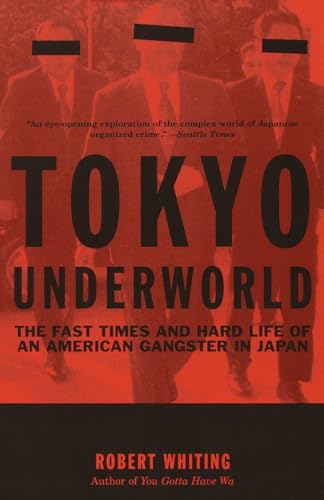
If you enjoyed the setting and the sense of a society in transition, this book offers a fascinating look at the underside of Tokyo's history. It complements the high-level diplomatic narrative with the gritty, street-level reality of the city's power structures.

Like Kemper's work, this biography excels at placing a single, complex individual at the center of world-altering events. It shares the same commitment to rich, character-driven historical storytelling that makes *Our Man in Tokyo* so compelling.

Love to read on the go?
Explore Kindle e-readers and take your books with you.
As an Amazon Associate, we earn from qualifying purchases.
As an Amazon Associate, we earn from qualifying purchases.