

Based on your book
Our Mother's House
by Gloag, Julian
When their mother dies, seven siblings decide to bury her in the garden rather than face the terrifying prospect of being separated by the state. Julian Gloag crafts a chilling, claustrophobic study of grief and autonomy that feels increasingly frantic as the children attempt to maintain the facade of a normal household. The narrative tone is clinical yet deeply unsettling, stripping away the romantic veneer of childhood to reveal something far more pragmatic and sinister. You watch as their improvised rituals and secret codes slowly calcify into a rigid, dysfunctional system that threatens to consume them. This is not a book for those who want a comforting story about family loyalty; it is for readers who appreciate dark, psychological fiction that explores how quickly the moral compass shifts when the adults are gone and the house becomes a tomb.
10 Books similar to 'Our Mother's House'
Since you enjoyed the suffocating atmosphere and the unsettling agency of the children in Our Mother's House, these titles were curated to satisfy that same craving for stories about isolated domesticity and the breakdown of traditional childhood. Whether it is the primal descent into lawlessness seen in Lord of the Flies or the gothic, ritualistic secrecy found in We Have Always Lived in the Castle, these books all examine the disturbing ways youth navigates extreme circumstances without adult interference. They are perfect for readers who prefer their family dramas layered with psychological dread and dark, hidden truths.
As an Amazon Associate, we earn from qualifying purchases.

Like Gloag's novel, this classic explores the terrifying descent of children left to their own devices without adult supervision. It mirrors the same unsettling atmosphere of innocence lost and the dark, primal instincts that emerge when societal structures are removed.

by Ian McEwan
This novel shares a strikingly similar premise to 'Our Mother's House,' focusing on siblings who bury their mother in the cellar to keep their family unit intact. It is a deeply psychological and claustrophobic examination of grief, secrecy, and the breakdown of traditional family roles.

Fans of the insular, eerie world created by Gloag will appreciate Jackson's mastery of gothic domesticity and isolation. The story centers on two sisters living in a self-imposed exile, maintaining their own strange, ritualistic reality away from the prying eyes of society.

by Sarah Waters
This novel captures a similar sense of decaying domesticity and psychological unraveling within a family home. It shares the slow-burning tension and the feeling that the house itself is a character, reflecting the internal fractures of the family living inside.

Not sure what they've already read?
Let them pick their next favorite with an Amazon Gift Card.
As an Amazon Associate, we earn from qualifying purchases.

by Jack Ketchum
While significantly more brutal, this book explores the horrifying potential of children and teenagers when left without moral guidance or adult intervention. It echoes the darker, more disturbing elements of 'Our Mother's House' regarding the capacity for cruelty in the young.

Told from the perspective of a child, this novel explores a confined, isolated existence where the mother creates a 'world' to protect her son. It shares the intense focus on the mother-child bond and the desperate, often irrational measures taken to maintain a sense of normalcy in an abnormal situation.

by Iain Banks
This cult classic delves into the mind of a young protagonist living on the fringes of society, creating their own bizarre rituals and moral code. It resonates with the themes of childhood autonomy, dark secrets, and the unsettling psychological landscape of youth.
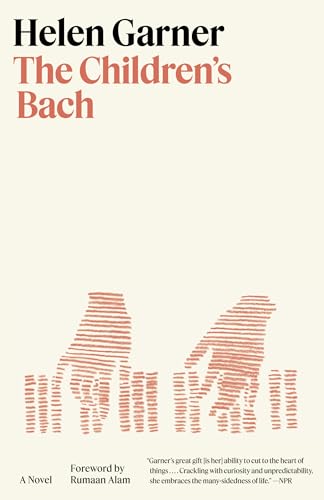
by Helen Garner
A more subtle, domestic exploration of family dynamics, this book captures the fragile, often unspoken tensions between parents and children. It shares a sophisticated, observational tone that will appeal to readers who appreciated the character-driven nature of Gloag's work.

by J.G. Ballard
This story of a young boy surviving on his own during wartime captures the same sense of detachment and forced maturity found in 'Our Mother's House.' It is a poignant look at how children adapt to extreme, adult-level circumstances with a mix of pragmatism and fantasy.

McCullers masterfully depicts the intense, often painful transition of childhood into adolescence, focusing on the feeling of being an outsider. Like Gloag’s characters, the protagonist is trapped in a world of her own making, grappling with isolation and the desire for belonging.
Prefer to listen?
Try Audible and hear the story instead of reading it.
As an Amazon Associate, we earn from qualifying purchases.
As an Amazon Associate, we earn from qualifying purchases.