

Based on your book
Outliers
by Gladwell, Malcolm
Outliers shifts the focus from the individual genius to the complex web of circumstances that actually produce high achievement. Gladwell argues that success is rarely a solo act of willpower; instead, it is a byproduct of cultural legacies, birth dates, and historical timing. The reading experience is like sitting across from an observant friend who points out the hidden levers of the world, making you question your own assumptions about luck and merit. The pacing is sharp and conversational, prioritizing curiosity over dense academic jargon. You will find yourself looking at everything from professional hockey rosters to the success of tech billionaires with a new, skeptical eye. This book is for the analytical reader who enjoys dismantling popular myths and prefers big-picture sociological puzzles over simple self-help advice.
10 Books similar to 'Outliers'
If the analytical framework of Outliers resonated with you, these selections expand on the hidden mechanics of human behavior and achievement. We curated this list to bridge the gap between Gladwell's cultural observations and the psychological realities of success. Whether you are looking for the practical habit-building found in Atomic Habits, the counter-arguments offered by Range, or the deep psychological roots explored in Thinking, Fast and Slow, these books mirror the intellectual curiosity that makes social commentary so addictive. They all share a commitment to uncovering the invisible patterns that govern our lives.
As an Amazon Associate, we earn from qualifying purchases.

Like Gladwell, Duckworth examines the components of high achievement, moving beyond raw talent to argue that passion and persistence are the true predictors of success. It is an essential companion for anyone interested in the science of what makes people excel.

by Susan Cain
Cain utilizes a similar narrative style to Gladwell, blending psychological research with compelling storytelling to challenge societal assumptions about personality and success. It offers a fresh perspective on how cultural norms shape our understanding of leadership and social dynamics.

Epstein directly challenges the '10,000-hour rule' popularized in Outliers, using data and case studies to argue that breadth of experience is often more valuable than early specialization. Readers who enjoy Gladwell's counter-intuitive arguments will find this debate fascinating.
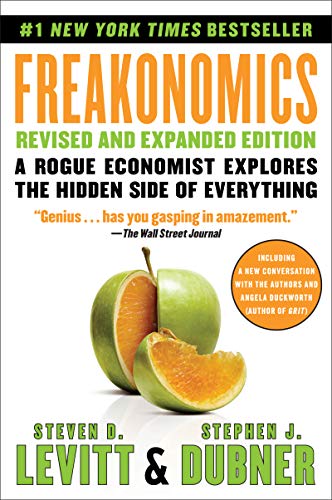
by Steven D. Levitt and Stephen J. Dubner
This book shares Gladwell's signature approach of using data to uncover hidden patterns and incentives in seemingly unrelated aspects of daily life. It is perfect for readers who love the 'aha!' moments found in sociological analysis.

Prefer to listen?
Try Audible and hear the story instead of reading it.
As an Amazon Associate, we earn from qualifying purchases.

by James Clear
While more prescriptive than Gladwell's work, Clear's book focuses on the micro-behaviors that lead to long-term success, mirroring the interest in how small, incremental actions compound over time. It provides the practical application for the theories of success discussed in Outliers.
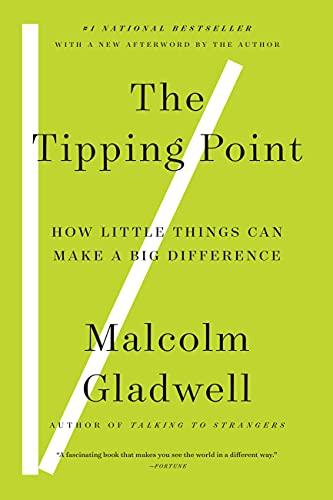
If you enjoyed the narrative voice and structural style of Outliers, this earlier work by the same author is essential reading. It explores the sociological 'tipping points' that cause trends and ideas to spread like viruses, maintaining the same engaging, analytical tone.
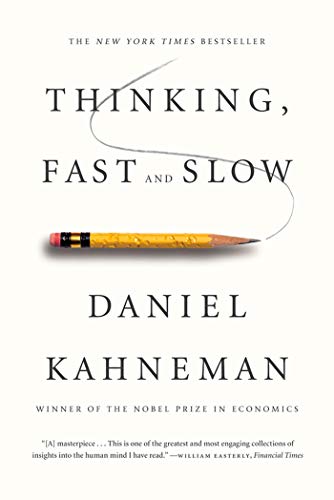
This seminal work provides the psychological foundation for much of the decision-making analysis found in popular non-fiction like Outliers. Kahneman's deep dive into the two systems that drive our thoughts is both challenging and profoundly enlightening.

Dweck explores the difference between a 'fixed' and 'growth' mindset, providing a psychological lens to understand the 'why' behind the success stories Gladwell highlights. It is a foundational text for understanding the internal barriers to achievement.

Harari takes the macro-level sociological lens used in Outliers and applies it to the entire history of the human species. Readers who enjoy connecting disparate historical facts to create a cohesive narrative about human progress will find this deeply satisfying.

by Daniel Coyle
Coyle investigates the biological and environmental 'hotbeds' that produce exceptional talent, directly paralleling Gladwell's exploration of the circumstances that create outliers. It is a fascinating look at the mechanics of skill acquisition.

Love to read on the go?
Explore Kindle e-readers and take your books with you.
As an Amazon Associate, we earn from qualifying purchases.
As an Amazon Associate, we earn from qualifying purchases.