
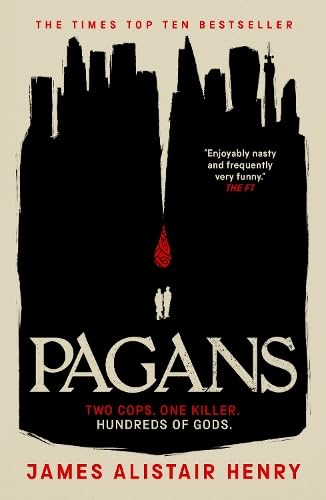
Based on your book
Pagans
by James Alistair Henry
Pagans is not a eulogy for a lost religion, but a sharp, analytical autopsy of how a worldview actually dies. James Alistair Henry avoids the trap of romanticizing the classical past or villainizing the early Christian ascent. Instead, he focuses on the messy, human reality of transition, examining how intellectual traditions and social power structures slowly shifted as the Mediterranean world pivoted toward a new faith. The prose is cerebral and measured, rewarding readers who enjoy peeling back layers of historical propaganda to find the quiet, often mundane mechanisms of cultural change. If you find yourself drawn to the gray areas of history—where tradition clashes with disruption and moral clarity is hard to come by—this book will satisfy your curiosity. It is a dense, thoughtful companion for anyone interested in the slow erosion of empires and the endurance of ideas.
10 Books similar to 'Pagans'
Since you enjoyed the analytical rigor of Pagans, these titles have been selected to deepen your understanding of that specific, volatile transition period. We have curated a list that bridges the gap between scholarly deep dives like those of Peter Brown and the more provocative, critical narratives found in authors like Catherine Nixey. Whether you are looking for the gritty, empirical collapse of Roman infrastructure or the intimate, philosophical struggles of leaders like Marcus Aurelius, these books mirror the same fascination with power dynamics, moral ambiguity, and the slow, seismic shifts that redefined the Western world.
As an Amazon Associate, we earn from qualifying purchases.
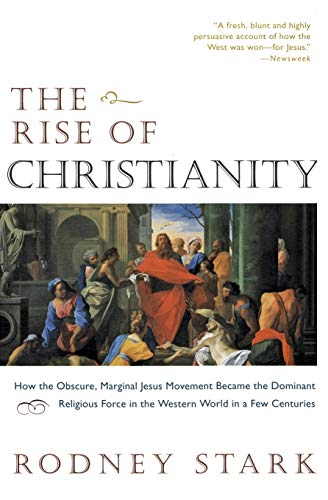
by Rodney Stark
Much like O'Donnell's work, this book provides a rigorous, scholarly, yet accessible analysis of how a small religious movement transformed the Roman world. It challenges conventional narratives about the decline of paganism and the rapid ascent of the early church through sociological and historical lenses.

by Peter Brown
Peter Brown is the definitive voice in the study of Late Antiquity, and this seminal work captures the same transitional atmosphere found in 'Pagans.' It masterfully illustrates the cultural and religious shifts that defined the era between the classical world and the Middle Ages.

To truly understand the pagan mindset that O'Donnell explores, reading the words of the last great Stoic emperor is essential. It provides an intimate, philosophical look at the internal life of a Roman leader navigating a world that was on the precipice of profound change.

If you enjoyed the historical deconstruction in 'Pagans,' this book offers a compelling, evidence-based argument regarding the collapse of Roman infrastructure. It provides a gritty, realistic counterpoint to the cultural and religious shifts discussed in O'Donnell's work.

Love to read on the go?
Explore Kindle e-readers and take your books with you.
As an Amazon Associate, we earn from qualifying purchases.

by Peter Brown
Augustine is a central figure in the transition from paganism to Christianity, and this biography brings the man and his era to life with incredible depth. It perfectly complements 'Pagans' by focusing on the intellectual and spiritual biography of one of the most influential figures of the period.

For readers who appreciated the provocative nature of 'Pagans,' this book offers a more aggressive, critical examination of the conflict between early Christianity and the classical pagan traditions. It focuses heavily on the loss of knowledge and the suppression of thought during this turbulent transition.

by Gore Vidal
This historical novel provides a fictionalized yet deeply researched account of Julian the Apostate, the emperor who attempted to restore paganism. It captures the exact political and religious tensions described in 'Pagans' through a compelling, character-driven narrative.

by Mary Beard
Mary Beard provides a sweeping, authoritative look at Roman history that deconstructs myths and examines the realities of life in the empire. It serves as an excellent foundation for understanding the society that eventually grappled with the rise of a new, disruptive religion.

This expansive history bridges the gap between the Roman Empire and the medieval world, offering the same level of granular detail found in 'Pagans.' It is an essential read for understanding how the structures of the ancient world evolved into the foundations of Europe.
As a classicist perspective on the pivot point of history, Gibbon's writing remains a foundational text for anyone interested in the decline of the Roman Empire. His prose style and historical scope offer a grand, albeit dated, counterpart to modern examinations like 'Pagans.'

Not sure what they've already read?
Let them pick their next favorite with an Amazon Gift Card.
As an Amazon Associate, we earn from qualifying purchases.
As an Amazon Associate, we earn from qualifying purchases.