

Based on your book
Pale Fire
by Nabokov, Vladimir
Pale Fire is a literary puzzle disguised as an academic edition of a poem. The book begins with John Shade's 999-line autobiographical poem, followed by a sprawling, obsessive commentary written by his neighbor, Charles Kinbote. As you read Kinbote's footnotes, you realize he is not interested in analyzing the poetry; he is desperate to hijack the text to tell his own delusional story of a deposed king in exile. The reading experience is like watching a car crash in slow motion, where the narrator is both the victim and the culprit. It is funny, deeply unsettling, and structurally brilliant. This book is for the reader who enjoys feeling smarter than the narrator, loves meta-fictional games, and doesn't mind a story that forces them to constantly flip back and forth between pages to catch the author's hidden clues.
10 Books similar to 'Pale Fire'
If the labyrinthine structure of Pale Fire left you hungry for more, these recommendations lean into the same intellectual playfulness. We selected these titles because they treat the act of reading like a detective game, prioritizing meta-fiction, unreliable perspectives, and the dangerous allure of obsession. Whether through the academic mysteries of A.S. Byatt or the paranoid, reality-bending narratives of Thomas Pynchon and Mark Z. Danielewski, these books share that specific, intoxicating blend of high-brow satire and profound existential dread. They are perfect for anyone who enjoys questioning the stability of the printed word.
As an Amazon Associate, we earn from qualifying purchases.

by Umberto Eco
Like Pale Fire, this novel is a dense, intellectual labyrinth that blends a murder mystery with profound literary and historical commentary. Readers who enjoy deciphering Nabokov's puzzles will appreciate the layers of semiotics and the scholarly, obsessive narrative voice.
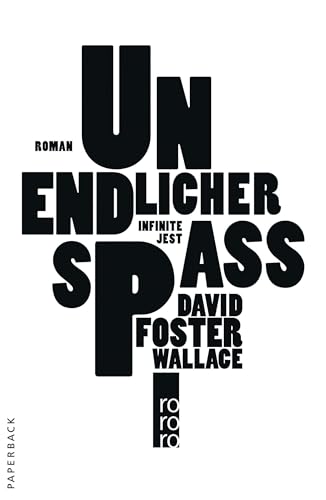
This massive, footnote-heavy work shares Nabokov's penchant for intricate structure and maximalist prose. It demands a highly active reader, rewarding those who enjoy dissecting unreliable perspectives and the darker, satirical undercurrents of contemporary culture.

This is a masterpiece of metafiction that directly addresses the reader, much like Kinbote's intrusive commentary in Pale Fire. It plays with the very concept of reading, authorship, and the frustration of incomplete narratives in a way that Nabokov fans will find delightful.

Pynchon's novella captures the same sense of paranoid obsession and the search for hidden meaning within a chaotic world. The protagonist's descent into a potentially imaginary conspiracy mirrors Kinbote's own spiraling interpretations of Shade's poem.

Prefer to listen?
Try Audible and hear the story instead of reading it.
As an Amazon Associate, we earn from qualifying purchases.

by A.S. Byatt
This novel centers on academic obsession and the reconstruction of the past through literary artifacts, echoing the structure of Pale Fire. It is a brilliant, layered mystery that explores the lives of poets and the scholars who become dangerously entangled in their work.
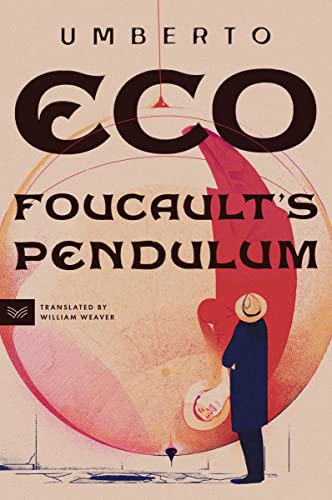
by Umberto Eco
For those who loved the way Kinbote constructs an elaborate, potentially delusional narrative around a central text, this book offers the ultimate cautionary tale about the dangers of over-interpretation. It is a dense, witty, and deeply cynical examination of how we create our own realities.

This experimental novel offers a non-linear reading experience that challenges the reader's role in constructing the narrative arc. Its playful, intellectual tone and focus on the nature of reality and exile will resonate with fans of Nabokov's structural games.

This book takes the concept of the 'commentary on a text' to its most extreme and terrifying conclusion. Through its erratic typography and nested narratives, it creates an immersive, claustrophobic experience that Nabokov fans will find technically fascinating.

Atwood weaves a story within a story, utilizing a complex narrative structure that slowly reveals hidden truths about the characters' lives. The interplay between the different layers of the text and the unreliable nature of memory makes it a perfect companion to Pale Fire.

by John Fowles
This novel features a protagonist trapped in an elaborate, psychological game orchestrated by a mysterious figure, mirroring the power imbalance and manipulation found in Pale Fire. It is a masterful exploration of illusion, reality, and the masks people wear.

Love to read on the go?
Explore Kindle e-readers and take your books with you.
As an Amazon Associate, we earn from qualifying purchases.
As an Amazon Associate, we earn from qualifying purchases.