
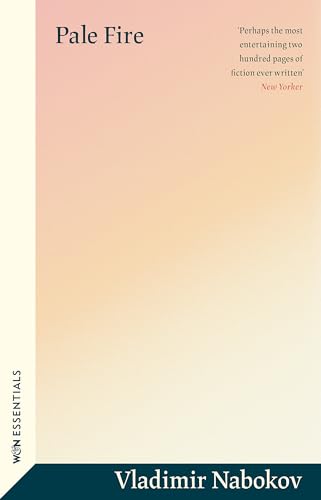
Based on your book
Pale Fire
by Vladimir Nabokov
Pale Fire presents itself as a long poem by John Shade, a respected academic, but the real story unfolds in the extensive, often unhinged, commentary provided by his neighbor, Charles Kinbote. Reading this book is a singular experience, a constant act of deciphering where the truth lies amidst Kinbote's increasingly fantastical and self-serving interpretations. You'll find yourself questioning everything, piecing together fragments of a supposed exiled kingdom, a hidden identity, and a looming conspiracy, all while Shade's beautiful poetry serves as a strangely grounded counterpoint. It's witty, complex, and demands your full attention, rewarding you with a darkly reflective puzzle about art, madness, and the stories we tell ourselves. This is for readers who relish an intellectual challenge and the thrill of an unreliable narrator.
10 Books similar to 'Pale Fire'
If you loved Pale Fire's intricate dance between text and commentary, and its exploration of hidden identities and elaborate conspiracies, these books will resonate. We've gathered titles that master the art of the unreliable narrator, challenging you to piece together truth from fragmented perspectives. Many also share that distinct academic setting, a brooding sense of mystery, and a playful yet profound engagement with metafiction, inviting you to question the very act of storytelling.
As an Amazon Associate, we earn from qualifying purchases.

Much like Pale Fire, this novel uses a complex, layered structure involving footnotes and multiple narrators to tell a story of growing obsession. It features a deeply unreliable narrator whose commentary on a primary text slowly reveals his own psychological unraveling.

by Umberto Eco
This intellectual mystery mirrors Nabokov's love for linguistic puzzles and academic settings, following a monk investigating murders in a medieval library. It is a dense, philosophical work that rewards readers who enjoy decoding symbols and historical references.

by A.S. Byatt
Fans of the academic satire and poetic elements in Pale Fire will appreciate this story of two scholars uncovering a secret romance between Victorian poets. The novel seamlessly weaves original poetry and letters into the narrative, creating a rich, multi-textual experience.

This masterpiece of metafiction challenges the relationship between the reader and the text, much like Kinbote’s intrusive commentary. It is a playful yet deeply intellectual exploration of the act of reading and the nature of authorship.

Prefer to listen?
Try Audible and hear the story instead of reading it.
As an Amazon Associate, we earn from qualifying purchases.

This novel features a surreal narrative accompanied by absurd, extensive footnotes regarding a fictional philosopher, echoing the structure of Pale Fire. It shares Nabokov's dark humor and his penchant for blending high-brow intellectualism with the bizarre.

This novel uses a story-within-a-story structure and a complex narrative voice to peel back layers of family secrets and political intrigue. Like Pale Fire, it relies on the reader to piece together the truth from fragmented and potentially biased accounts.
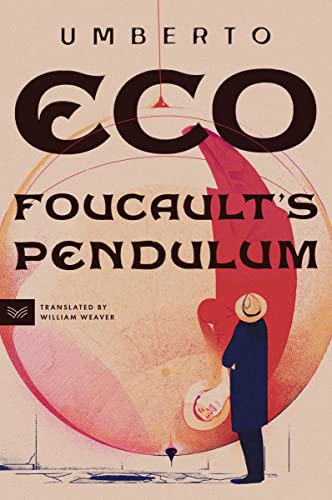
by Umberto Eco
A brilliant exploration of how intellectual obsession can lead to the creation of dangerous alternate realities. It shares the dense, referential prose of Nabokov and focuses on characters who become lost in their own elaborate interpretations of history.

by Donna Tartt
Set in an elite academic environment, this novel captures the same sense of intellectual isolation and obsessive friendship found in Pale Fire. It features a sophisticated narrative voice and a dark, brooding atmosphere centered on a group of scholars.

This 'counter-novel' offers an experimental structure that allows the reader to choose their own path through the chapters, mirroring the non-linear experience of reading Kinbote's notes. It is a deeply philosophical and intellectual work centered on themes of exile and identity.
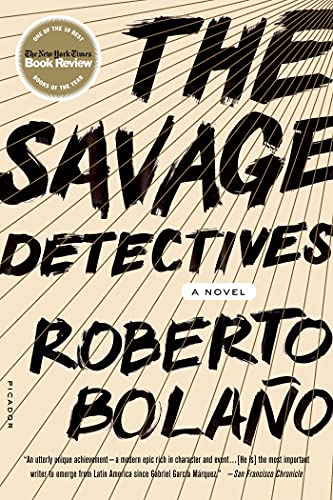
This sprawling novel follows the search for a vanished poet through a kaleidoscope of different voices and perspectives. It shares Nabokov's fascination with literary legacy, the lives of poets, and the often-unreliable nature of memory and testimony.

Love to read on the go?
Explore Kindle e-readers and take your books with you.
As an Amazon Associate, we earn from qualifying purchases.
As an Amazon Associate, we earn from qualifying purchases.