

Based on your book
Palo Alto
by Harris, Malcolm
Malcolm Harris does not just write about a city; he treats Palo Alto as a laboratory for the most aggressive strains of American capitalism. This is a massive, unapologetic historical deep dive that traces how a specific patch of California transformed into a global engine for wealth extraction and social engineering. Reading this feels like having a cynical, brilliant professor walk you through the blueprints of a machine you did not realize you were living inside. It is dense, relentlessly analytical, and often dark, trading the usual tech-utopian optimism for a cold look at power dynamics and labor exploitation. If you are the type of reader who wants to understand the structural origins of our current digital malaise—and you do not mind a book that demands your full attention—this will fundamentally change how you view the tech giants.
10 Books similar to 'Palo Alto'
The books we have selected mirror the intense, analytical scrutiny Harris applies to Silicon Valley. Whether you are interested in the economic mechanics explored by Thomas Piketty and Naomi Klein or the grittier, insider accounts of industry dysfunction like those found in Bad Blood and Chaos Monkeys, these titles bridge the gap between historical theory and real-world consequences. We chose these works because they share the same critical DNA, helping you connect the dots between the elite charade of tech philanthropy and the systemic structures that allow these companies to fundamentally reshape human behavior.
As an Amazon Associate, we earn from qualifying purchases.

Like Malcolm Harris's work, this book provides a rigorous, sweeping analysis of how tech giants have fundamentally altered human behavior and society for profit. It shares the same intellectual intensity and critical lens regarding the unchecked power of Silicon Valley.

This investigative masterpiece exposes the dark, deceptive underbelly of the startup culture that Harris critiques in his own work. It serves as a perfect narrative counterpart, showing the real-world consequences of the 'fake it till you make it' mentality.

by Naomi Klein
Readers who appreciated Harris's historical materialist approach to Silicon Valley will value Klein's examination of how crises are exploited to push free-market agendas. It is a foundational text for understanding the economic structures that Palo Alto represents.

Wolfe offers an intimate, observational look at the young entrepreneurs trying to make it in the tech world, echoing Harris's interest in the specific types of people the Palo Alto machine creates. It provides a more personal, character-driven perspective on the same ecosystem.

Love to read on the go?
Explore Kindle e-readers and take your books with you.
As an Amazon Associate, we earn from qualifying purchases.

This book serves as a perfect companion to Harris by deconstructing the hypocrisy of the tech elite who claim to solve global problems while perpetuating the systems that cause them. It shares the same cynical, sharp, and critical tone.
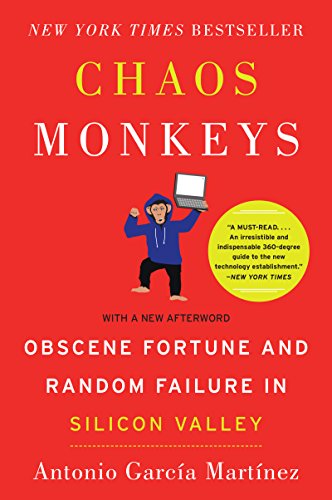
For readers who enjoyed the insider critique of Silicon Valley, this memoir provides a gritty, unfiltered look at the industry from someone who was deep inside the machine. It captures the chaotic, high-stakes atmosphere that Harris analyzes from a historical distance.
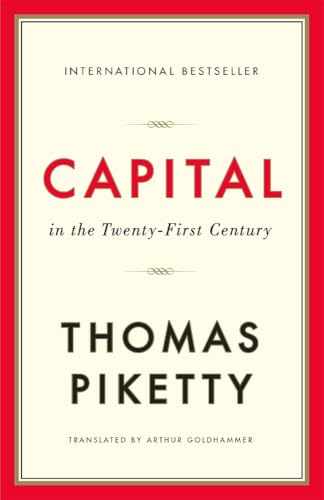
Harris's work is deeply rooted in economic history, and Piketty’s seminal text provides the broader context for the wealth inequality that defines the Palo Alto experience. It is an essential read for anyone interested in the structural mechanics of capitalism.

by Emily Chang
Chang focuses on the social and cultural exclusion inherent in the tech world, which complements Harris's broader historical analysis. It highlights the human cost of the industry's exclusionary practices and the specific demographics that benefit from them.

Lewis captures the manic, visionary energy of the tech founders who built the world Harris critiques. While less overtly critical, it provides the necessary historical context and character studies of the 'great men' who shaped the Palo Alto ethos.

by Neil Postman
This classic text explores how technology has come to dominate every aspect of our lives, mirroring Harris’s argument about how the 'Palo Alto' way of thinking has colonized the globe. It is a brilliant, philosophical look at the societal consequences of technological obsession.

Not sure what they've already read?
Let them pick their next favorite with an Amazon Gift Card.
As an Amazon Associate, we earn from qualifying purchases.
As an Amazon Associate, we earn from qualifying purchases.