

Based on your book
Paris 1919
by MacMillan, Margaret
Margaret MacMillan turns the Paris Peace Conference of 1919 from a dry historical footnote into a vivid, high-stakes drama. Instead of focusing on the battlefield, she zooms in on the hotel rooms and hallways where the Big Four carved up the globe, creating borders that still trigger conflicts today. The reading experience is dense and analytical, yet surprisingly intimate; you feel the exhaustion, the ego, and the sheer impossibility of the task facing these men. It is not a book that rushes, but one that rewards patience with deep insights into how personal biases and short-sighted compromises shape the trajectory of nations. Pick this up if you want to understand the messy origins of our modern world and enjoy history that treats geopolitical strategy as a human story driven by flawed, powerful individuals.
10 Books similar to 'Paris 1919'
Since you enjoyed the granular focus on diplomacy and the high-stakes power dynamics in Paris 1919, our curated list moves beyond the treaty room to explore the wider ripples of the Great War. We chose these titles because they echo MacMillan’s analytical rigor, whether by examining the catastrophic consequences of imperial hubris in the Middle East or the internal logic of global statecraft. These books share a thematic obsession with how elite decision-making shifts the tectonic plates of history, perfect for readers who prefer their historical non-fiction to be as intellectually challenging as it is revealing.
As an Amazon Associate, we earn from qualifying purchases.
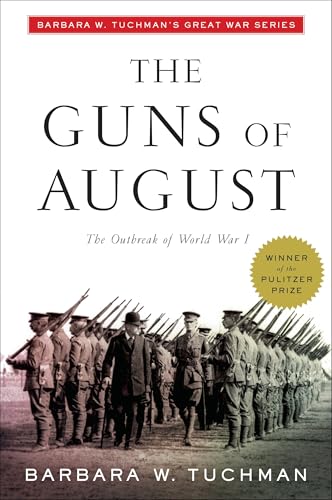
Like MacMillan's work, this Pulitzer Prize-winning classic provides a masterful, detailed account of the diplomatic and military miscalculations that led to World War I. It shares a similar intellectual rigor and narrative focus on the powerful figures whose decisions shaped the modern geopolitical landscape.

This book acts as a perfect companion piece to 'Paris 1919' by focusing on the catastrophic redrawing of the Middle East map following the Ottoman Empire's collapse. It offers the same level of deep historical analysis and exposes the long-term consequences of Western imperial decision-making.

by Alan Sharp
For readers who appreciated the specific focus on the treaty process in MacMillan's work, this book offers a scholarly and comprehensive look at the mechanics of the peace negotiations. It provides a more granular view of the conference's successes and failures, maintaining a high level of historical accuracy.

Kissinger provides a sweeping, analytical history of international relations that complements MacMillan's focus on the 'Big Four.' Readers interested in the philosophy of power, statecraft, and the evolution of the global order will find this equally engaging and intellectually stimulating.

Not sure what they've already read?
Let them pick their next favorite with an Amazon Gift Card.
As an Amazon Associate, we earn from qualifying purchases.
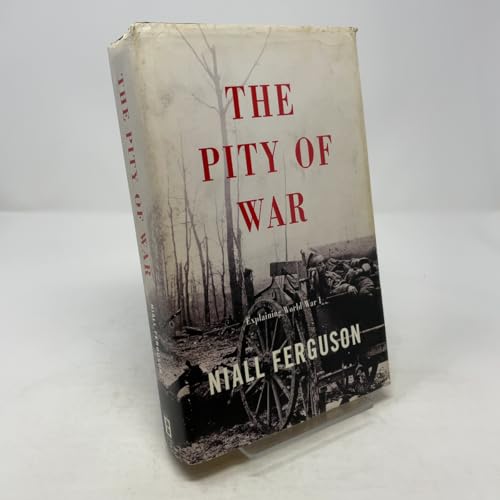
Ferguson offers a provocative and revisionist look at the causes and consequences of World War I, challenging conventional narratives much like MacMillan challenges the simplifications of the Paris Peace Conference. It is a dense, argumentative, and highly informative read for history buffs.

While MacMillan focuses on the leaders in Paris, Hochschild provides a vital counter-narrative by focusing on the individuals who opposed the war. It shares the same historical era and meticulous research, offering a poignant look at the human cost of the conflict that necessitated the 1919 treaty.

This book provides a focused and accessible overview of the treaty itself, perfect for readers who want to reinforce their understanding of the specific document central to MacMillan's narrative. It bridges the gap between complex academic history and readable, narrative-driven non-fiction.

This is a companion work by the same author that serves as a prequel, detailing the road to the Great War. Readers who enjoyed the narrative voice and structural brilliance of 'Paris 1919' will find this essential reading for understanding the context of the peace conference.

by John Keegan
Keegan's definitive single-volume history of the war provides the necessary military and strategic backdrop for the political maneuvering described in MacMillan's work. It is written with a clear, authoritative voice that fans of high-level historical analysis will appreciate.

While this is a work of historical fiction rather than non-fiction, it captures the atmosphere, the political volatility, and the tragic consequences of the 20th-century conflicts that MacMillan analyzes. It provides a visceral, literary experience of the era's 'Big History' through individual lives.

Prefer to listen?
Try Audible and hear the story instead of reading it.
As an Amazon Associate, we earn from qualifying purchases.
As an Amazon Associate, we earn from qualifying purchases.