

Based on your book
Paving Paradise
by Pittman, Craig
Paving Paradise pulls back the curtain on the relentless, often absurd development cycle that has defined modern Florida. Craig Pittman tracks the history of the Florida wetlands, not as a pristine wilderness, but as a battlefield where politicians, developers, and well-meaning but ultimately toothless regulators clash. The writing is sharp and dryly cynical, cutting through the sunshine-state marketing to reveal the messy, swampy reality of political corruption and ecological shortsightedness. You will not find soaring odes to nature here; instead, you get a clear-eyed, analytical look at how bureaucracy and greed have systematically erased the state’s natural defenses. This is an essential read for anyone who enjoys investigative journalism that prioritizes hard facts over sentimentality. It is perfect for readers who prefer their nature writing with a side of grit, policy critique, and a healthy dose of skepticism toward human progress.
10 Books similar to 'Paving Paradise'
Since Paving Paradise leaves you with a mix of righteous frustration and a desire to understand the mechanics of environmental decay, these selections expand on that foundation. We have curated books that mirror the investigative rigor of Pittman while exploring the broader tensions between human hubris and the natural world. Whether you are drawn to the political machinations found in The Swamp and Cadillac Desert or the foundational ecological ethics of Silent Spring and A Sand County Almanac, these titles provide the necessary historical and philosophical context to make sense of why we continue to pave over our own survival.
As an Amazon Associate, we earn from qualifying purchases.

This is the definitive history of the Everglades and serves as the perfect companion to Pittman's work, detailing the political and environmental battles that shaped Florida. Like Paving Paradise, it combines deep investigative research with a narrative that exposes the folly of trying to 'tame' nature.
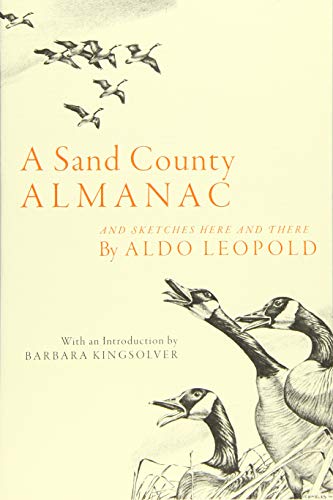
by Aldo Leopold
For readers who appreciate the environmental advocacy found in Pittman's writing, this classic offers a foundational philosophical look at our relationship with the land. It provides the ethical framework that explains why the destruction described in Paving Paradise is so devastating.

If you enjoyed the urgent, investigative tone of Paving Paradise regarding ecological collapse, Kolbert's Pulitzer Prize-winning work is essential reading. It broadens the scope from Florida's wetlands to the global crisis, maintaining a rigorous yet accessible journalistic style.

by Marc Reisner
This book is the gold standard for investigative environmental journalism, mirroring Pittman's expose on how human hubris and political corruption destroy natural resources. It is a must-read for anyone fascinated by the intersection of water rights, development, and government failure.

Love to read on the go?
Explore Kindle e-readers and take your books with you.
As an Amazon Associate, we earn from qualifying purchases.
Readers who love the specific focus on Florida's unique natural landscape will appreciate this look at the state's botanical history. It offers a visual and historical counterpoint to the modern destruction Pittman documents, highlighting what is being lost.

by Jane Jacobs
While focused on urban environments rather than wetlands, Jacobs' critique of top-down planning and the destruction of local ecosystems resonates deeply with the themes in Paving Paradise. It captures the same frustration with bureaucratic ignorance that Pittman highlights.

This memoir about tree planting in British Columbia offers a more personal, boots-on-the-ground perspective on the environment that complements Pittman's journalistic approach. It provides an intimate look at the people working in the wild, contrasting with the political maneuvering in Paving Paradise.

by Susan Orlean
Set in the Florida swamps, this narrative non-fiction explores the obsession and corruption surrounding the poaching of rare orchids. It shares the same Florida-centric atmosphere and investigative curiosity that makes Paving Paradise so compelling.

As the foundational text for modern environmentalism, Carson's work uses the same blend of science and advocacy found in Pittman's writing. It is the ultimate example of how investigative journalism can spark a movement against the destruction of the natural world.

Cronon explores the relationship between the city and the natural resources that sustain it, providing a historical lens that mirrors the urban-vs-nature conflict in Paving Paradise. It is a brilliant, analytical look at how human development fundamentally alters the landscape.

Not sure what they've already read?
Let them pick their next favorite with an Amazon Gift Card.
As an Amazon Associate, we earn from qualifying purchases.
As an Amazon Associate, we earn from qualifying purchases.