

Based on your book
PCOS Discourses, Symbolic Impacts, and Feminist Rhetorical Disruptions of Institutional Hegemonies
by Marissa C. McKinley
Marissa C. McKinley’s PCOS Discourses isn't just a book about a medical condition; it's a deep dive into how power shapes our understanding of bodies and health. McKinley meticulously unpacks the ways that media and medical institutions construct narratives around women with Polycystic Ovarian Syndrome, often stripping them of agency. What makes this book compelling is its empowering analysis of how these women, through collective action in digital spaces, are actively reclaiming their voices and disrupting those dominant narratives. It's a thoughtful, analytical read that feels both academic and deeply personal, offering a sense of validation for anyone who has felt unseen or misdefined by institutional systems. This is for readers eager to understand the rhetoric of health, the politics of the body, and the power of feminist resistance in the face of adversity.
10 Books similar to 'PCOS Discourses, Symbolic Impacts, and Feminist Rhetorical Disruptions of Institutional Hegemonies'
If you found yourself nodding along to Marissa C. McKinley’s sharp analysis in PCOS Discourses, you’ll likely appreciate these further explorations of institutional power and the body. We’ve curated books that echo McKinley’s insights into how medical and societal structures define and often diminish women's health experiences. Whether you're drawn to the meticulous unmasking of systemic bias in healthcare, the empowering call for rhetorical disruption against dismissive narratives, or the critical examination of how bodies are understood and controlled, these selections continue the conversation about agency, advocacy, and the urgent need to challenge dominant hegemonies.
As an Amazon Associate, we earn from qualifying purchases.
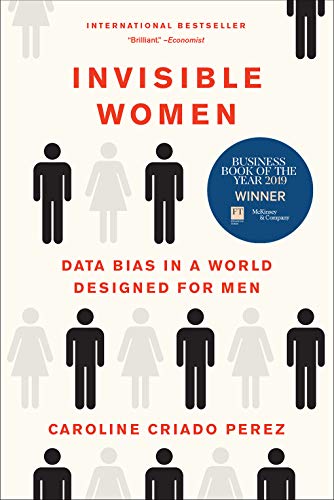
This book meticulously uncovers the systemic data bias that renders women invisible in a world designed for men, directly paralleling McKinley's exploration of how institutional hegemonies and symbolic impacts shape medical discourse around women's bodies and conditions like PCOS. Readers will appreciate the rigorous analysis and call for a more inclusive understanding of human experience.

Dusenbery's work is a powerful exposé on the medical gaslighting and systemic dismissal of women's health concerns, making it an ideal companion to McKinley's book. It delves into the 'rhetorical disruptions' needed to challenge institutional failures in diagnosing and treating chronic illnesses, particularly in women.

by Naomi Wolf
A foundational feminist text, 'The Beauty Myth' dissects how societal pressures and industries control women's bodies through beauty standards, offering a powerful parallel to how medical discourses can define and regulate women's identities. Fans of McKinley's critique of symbolic impacts will find similar themes of bodily autonomy and institutional control.

Montross offers a critical and reflective look at how bodies are understood and treated within the medical system, exploring the construction of medical knowledge and its profound impacts on individuals. This book resonates with McKinley's analysis of medical discourse by examining the dehumanizing aspects of the medical gaze and the symbolic weight placed on the body.

Not sure what they've already read?
Let them pick their next favorite with an Amazon Gift Card.
As an Amazon Associate, we earn from qualifying purchases.

Washington's groundbreaking work exposes the historical and systemic abuses of power within medical institutions against marginalized bodies, particularly Black Americans. This aligns with McKinley's critique of 'institutional hegemonies' and their harmful 'symbolic impacts' by demonstrating how medical discourse and practice can perpetuate profound injustices.
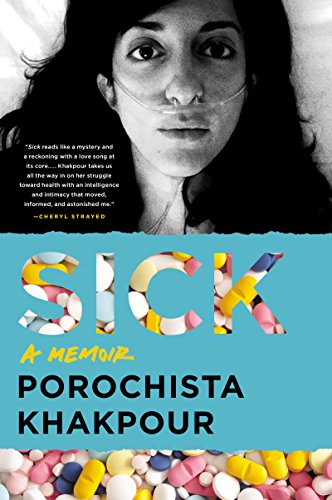
This memoir provides a deeply personal and often harrowing account of navigating chronic illness and medical gaslighting, offering a lived experience perspective that powerfully illustrates the 'symbolic impacts' of a dismissive healthcare system. Readers will connect with the frustration and resilience in seeking 'rhetorical disruptions' against invalidating medical narratives.

Skloot's book critiques institutional power and the exploitation of marginalized bodies within the medical establishment, exploring complex issues of bioethics, race, and class. It resonates with McKinley's 'disruption of institutional hegemonies' by revealing the profound human and ethical implications of medical discourse and scientific advancement.

by Alison Kafer
Kafer's work offers an intersectional feminist, queer, and disability studies perspective that directly challenges normative assumptions about health, ability, and identity. This book perfectly mirrors McKinley's 'feminist rhetorical disruptions' by deconstructing dominant narratives and advocating for more inclusive understandings of bodies and experiences.
Herzig's book critically examines the cultural and medical construction of hormones, gender, and the body, providing a powerful example of how scientific discourse shapes understanding and identity. Like McKinley's analysis of PCOS, it deconstructs medical narratives to reveal their societal impacts and the power dynamics embedded within them.

by Anne Fadiman
Fadiman's book explores the profound clash between different cultural understandings of illness and medical authority, highlighting the 'symbolic impacts' of medical discourse and the challenges in navigating 'institutional hegemonies' when cultural perspectives differ. It offers a compelling narrative of the complexities that arise when medical systems encounter diverse belief systems.

Prefer to listen?
Try Audible and hear the story instead of reading it.
As an Amazon Associate, we earn from qualifying purchases.
As an Amazon Associate, we earn from qualifying purchases.