

Based on your book
Peau Noire, Masques Blancs
by Frantz Fanon
Peau Noire, Masques Blancs isn't an easy read, but it's an utterly vital one if you're ready to grapple with profound questions of self and society. Frantz Fanon takes us on a searing, psychological journey into the mind of the colonized, specifically the Black individual, under the suffocating gaze of white supremacy. He dissects the insidious ways racism isn't just external oppression, but an internalized force that fragments identity, creating a deep existential crisis. Expect a reading experience that feels less like a traditional book and more like an intense, often disturbing, philosophical interrogation. Fanon's prose is sharp, analytical, and at times, almost poetic in its anger and insight. This is for readers who crave intellectual rigor, who want to understand the complex, often painful, interplay between culture, power, and personal identity. It's a book that will challenge your assumptions and likely stay with you long after you've finished.
10 Books similar to 'Peau Noire, Masques Blancs'
If "Peau Noire, Masques Blancs" resonated with your understanding of how systemic power shapes individual identity, you'll find kindred spirits in our curated list. We've chosen these books because they similarly explore the profound psychological and existential crises sparked by colonialism and racial oppression. Whether it's the concept of a 'divided self' under the weight of societal gaze, the critical analysis of 'Othering' in cultural discourse, or the sheer intellectual force applied to social commentary, these titles continue Fanon's urgent conversation. They'll deepen your grasp of how personal and political struggles intertwine, offering further perspectives on reclaiming agency and defining identity in a world that often seeks to deny it.
As an Amazon Associate, we earn from qualifying purchases.

by Frantz Fanon
As Fanon's seminal follow-up, this work shifts from the psychological effects of racism to the broader political and social dynamics of decolonization. It is essential reading for those who want to see Fanon's theories on colonial violence and liberation fully realized.

This classic text introduces the concept of 'double consciousness,' which directly mirrors Fanon's exploration of the divided self under white supremacy. It combines sociological data with lyrical prose to explore the African American experience at the turn of the century.

Like Fanon, Said examines how the 'Other' is constructed through the lens of Western power and academic study. It provides a rigorous intellectual framework for understanding the 'masks' imposed upon non-Western cultures by colonial discourse.

by Aimé Césaire
Written by Fanon's mentor, this powerful essay argues that colonialism decivilizes the colonizer while dehumanizing the colonized. Its poetic yet biting critique of European hypocrisy resonates deeply with the themes of 'Black Skin, White Masks.'

Not sure what they've already read?
Let them pick their next favorite with an Amazon Gift Card.
As an Amazon Associate, we earn from qualifying purchases.

Baldwin’s exploration of the psychological and spiritual toll of American racism provides a more intimate, yet equally profound, counterpart to Fanon’s clinical observations. His prose captures the emotional urgency of the struggle for identity.
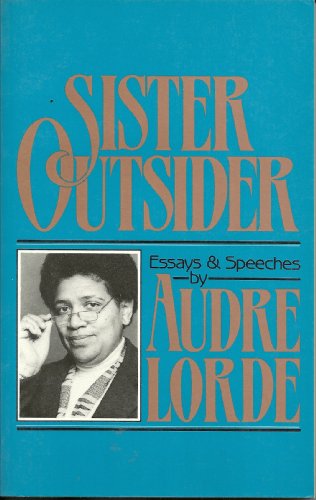
by Audre Lorde
Lorde’s essays expand on the intersectionality of identity, focusing on how race, gender, and sexuality create complex layers of oppression. Her work echoes Fanon’s interest in the internalized effects of social structures on the individual psyche.

by Frantz Fanon
This book provides a sociological look at how the Algerian Revolution transformed the cultural and psychological habits of the colonized people. It serves as a practical application of the psychological theories Fanon established in his earlier work.

by Albert Camus
While focusing on existentialism rather than race, Camus explores the 'absurd' condition of humanity in a way that complements Fanon's description of the existential crisis faced by the colonized man. Both authors grapple with finding meaning in a restrictive world.
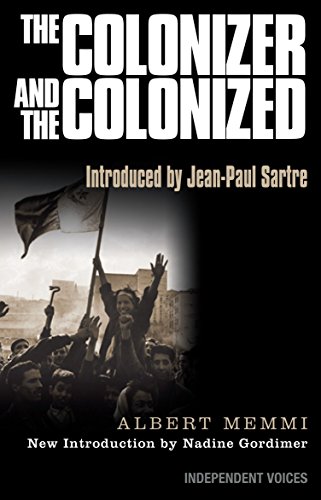
by Albert Memmi
Memmi provides a psychological portrait of the colonial relationship that is remarkably similar to Fanon's. He explores how both parties are trapped in a destructive cycle of identity formation dictated by the colonial hierarchy.

by Paulo Freire
Freire’s work on education as a tool for liberation mirrors Fanon’s call for a new humanity. It focuses on the psychological 'internalization' of the oppressor and offers a methodology for reclaiming one's agency and voice.

Prefer to listen?
Try Audible and hear the story instead of reading it.
As an Amazon Associate, we earn from qualifying purchases.
As an Amazon Associate, we earn from qualifying purchases.