
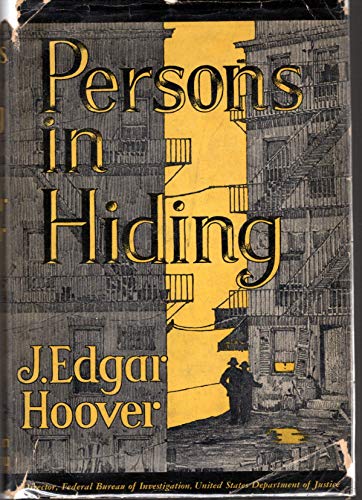
Based on your book
Persons in hiding,
by Hoover, J. Edgar
J. Edgar Hoover wrote this as a direct address to the American public during the height of the 1930s crime wave, and it reads exactly like a manifesto from the man who built the modern FBI. It is a cold, analytical breakdown of the criminal psyche, moving through case studies of notorious figures to argue that crime is not just a societal failure, but a series of individual moral catastrophes that the federal government is uniquely equipped to dismantle. The atmosphere is stark, urgent, and deeply paranoid, reflecting the high-stakes tension of the era. If you enjoy historical primary sources that reveal as much about the author's own worldview as they do about the subject matter, this is a fascinating, if biased, look at the genesis of American law enforcement mythology.
10 Books similar to 'Persons in hiding,'
If the clinical intensity of Hoover's perspective leaves you wanting more, these selections expand on the gritty intersection of law enforcement and organized crime. We chose these titles because they bridge the gap between the era's self-mythologizing primary sources and the modern, objective investigations that uncover the darker realities of the G-Man era. Whether you are hunting for the psychological patterns of the criminal mind or the complex, often corrupt history of the FBI, these books provide the necessary historical context and narrative depth to complement Hoover's original, singular view of the war on crime.
As an Amazon Associate, we earn from qualifying purchases.

This meticulously researched narrative covers the same era of American history as Hoover's book, providing a modern, comprehensive look at the G-Men versus the gangsters of the 1930s. It offers a more objective, fast-paced historical account that complements the original's perspective on the rise of federal law enforcement.

by James Ellroy
While fictional, this noir classic captures the gritty, paranoid atmosphere of mid-century American crime and the corruption often lurking behind the scenes of law enforcement. Fans of Hoover's focus on the 'criminal mind' will appreciate the dark, psychological exploration of the characters inhabiting this underworld.

by David Grann
This book details one of the FBI's earliest and most significant cases, making it a perfect follow-up for those interested in the agency's history. It combines a gripping true-crime narrative with a sobering look at systemic corruption, mirroring the investigative focus found in Hoover's work.
by Beverly Gage
This definitive biography provides the necessary context and critical analysis that Hoover's own book lacks, offering a deep dive into the man behind the agency. Readers who enjoyed the voice and subject matter of 'Persons in Hiding' will find this essential for understanding the full scope of Hoover's influence.

Love to read on the go?
Explore Kindle e-readers and take your books with you.
As an Amazon Associate, we earn from qualifying purchases.

by Eliot Ness
Written by the man who took on Al Capone, this memoir shares the same 'law and order' ethos and self-mythologizing tone as Hoover's writing. It serves as a classic primary source from the era, focusing on the relentless pursuit of criminals during the Prohibition and post-Prohibition years.

by Erik Larson
This narrative non-fiction masterfully juxtaposes the architectural wonder of the 1893 World's Fair with the dark, calculated crimes of a serial killer. Readers interested in the sociological aspects of criminality and the 'criminal mind' as presented by Hoover will find this deeply compelling.

This book chronicles the secret, elite unit of the LAPD formed to take down the mob, echoing the themes of specialized law enforcement units found in Hoover's work. It provides a gritty, behind-the-scenes look at the war between the police and organized crime in mid-century America.

by James Ellroy
This novel offers a fictionalized, sprawling look at the intersection of organized crime, the FBI, and national politics in the mid-20th century. It captures the same obsessive, crusading energy that Hoover projected, but through a lens of deep cynicism and historical revisionism.

Hoover's 'Persons in Hiding' is essentially a catalog of criminal profiles; this comprehensive reference work continues that tradition of documenting the dark side of human behavior. It is an analytical, informative resource for readers who want to understand the patterns and psychology of the 'public enemy'.

by Don DeLillo
While a work of literary fiction, this novel explores the deep currents of American history, crime, and Cold War paranoia, touching on the same societal anxieties that Hoover addressed in his work. It provides a more reflective and philosophical look at the criminal undercurrents of the 20th century.

Not sure what they've already read?
Let them pick their next favorite with an Amazon Gift Card.
As an Amazon Associate, we earn from qualifying purchases.
As an Amazon Associate, we earn from qualifying purchases.