

Based on your book
Philip K. Dick
by Philip K. Dick
If you've ever found yourself pondering the layers of reality in a Philip K. Dick novel, this collection offers a rare invitation directly into the author's own mind. It's essentially a series of intimate conversations, letting you hear Dick speak candidly about his most iconic works, his unique approach to science fiction, and the often-turbulent journey of bringing his visions to life. You'll get a raw, unfiltered look at his philosophical musings, his anxieties about the future, and the sheer intellectual wrestling match involved in crafting his tales. The reading experience is deeply introspective, almost like a masterclass in thought, rather than a traditional biography. This book is for the dedicated reader who wants to go beyond the plot and truly understand the intellectual architecture and personal struggles that shaped one of science fiction's most original voices, offering unparalleled insight into his creative genius and the societal questions that haunted him.
10 Books similar to 'Philip K. Dick'
If you found Philip K. Dick's own reflections on his work endlessly thought-provoking, our curated list will continue that intellectual journey. We've gathered books that, much like Dick's own explorations, brilliantly dissect the nature of reality and perception, pushing you to question what's real. Many of these titles delve into the chilling implications of societal control and manufactured truths, echoing the social commentary and existential crises so central to Dick's vision. You'll find stories that examine what it means to be human in a world of blurring lines, all while delivering that same reflective, analytical depth you appreciate.
As an Amazon Associate, we earn from qualifying purchases.
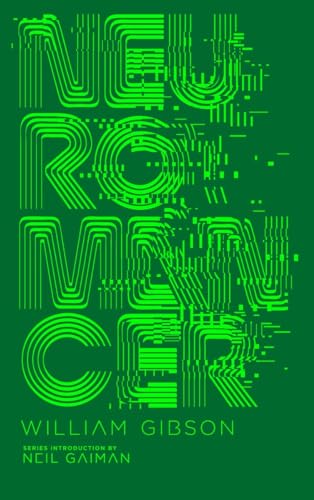
Pioneering the cyberpunk genre, this novel delves into themes of artificial intelligence, virtual reality, and the blurring lines between human and machine consciousness, mirroring Philip K. Dick's explorations of identity and reality. Its gritty, noir-ish atmosphere and complex narrative will deeply resonate with fans of Dick's mind-bending worlds.

A foundational dystopian novel, 'Brave New World' explores societal control through conditioning, consumerism, and genetic engineering, echoing Philip K. Dick's concerns about manufactured realities and the loss of authentic human experience. Its philosophical depth and critique of future societies are very much in line with Dick's speculative fiction.

This classic dystopian novel delves into themes of pervasive surveillance, propaganda, and the manipulation of truth and memory, which are constant anxieties in Philip K. Dick's work about subjective reality and oppressive systems. The pervasive paranoia and psychological torment will feel familiar to Dick's readers.

Lem's masterpiece explores the nature of consciousness, alien intelligence, and the limits of human understanding when faced with a truly inscrutable entity, echoing Philip K. Dick's fascination with non-human intelligences and the subjective nature of perception. The philosophical introspection and psychological tension are key elements that Dick's fans will appreciate.

Prefer to listen?
Try Audible and hear the story instead of reading it.
As an Amazon Associate, we earn from qualifying purchases.

This profound exploration of anarchism versus capitalism, societal structures, and the nature of freedom and utopia is presented through a complex sociological lens, much like Philip K. Dick's use of science fiction to deeply examine human systems and philosophical concepts. Readers will appreciate its intellectual rigor and nuanced world-building.

Blending cyberpunk, ancient myths, and linguistics, 'Snow Crash' delivers a high-octane narrative that questions the nature of reality, information, and consciousness in a hyper-technological future. Its unique mix of intellectual depth and thrilling action, along with its exploration of virtual worlds, is very much in the spirit of Philip K. Dick.

by Ray Bradbury
This classic dystopian novel about censorship, conformity, and the suppression of thought resonates deeply with Philip K. Dick's themes of societal control and the manipulation of information. The protagonist's awakening to a deeper, often uncomfortable, reality is a common motif that Dick's readers will find compelling.

Miéville's novel explores a unique concept of two cities occupying the same physical space but separated by conscious perception, forcing readers to question the nature of reality, observation, and societal conditioning. This mind-bending premise and the underlying political intrigue make it a perfect fit for Philip K. Dick enthusiasts.

As one of Philip K. Dick's most iconic works, 'Ubik' is a quintessential exploration of subjective reality, precognition, and the blurring lines between life and death, making it an essential read for understanding his core philosophical obsessions and narrative style. It exemplifies the mind-bending paranoia and existential questions that define his legacy.

This novel directly inspired Blade Runner and is a cornerstone of Philip K. Dick's work, delving into what it means to be human, the nature of empathy, and the distinction between artificial and authentic life in a post-apocalyptic world. It's a perfect entry point or deeper dive into his most famous themes, offering a direct experience of the complex ideas discussed in the collection about his literary output.

Love to read on the go?
Explore Kindle e-readers and take your books with you.
As an Amazon Associate, we earn from qualifying purchases.
As an Amazon Associate, we earn from qualifying purchases.