

Based on your book
Philosophy as a Way of Life
by Hadot, Pierre
Pierre Hadot shifts our understanding of philosophy away from the dry, academic study of texts and back toward its original purpose: a set of spiritual exercises meant to transform how we exist in the world. He argues that for the ancients, philosophy was not a system to be memorized but a practice to be lived, encompassing everything from how we manage our emotions to how we face our own mortality. Reading this feels like sitting in a quiet, rigorous seminar where the goal is not to win an argument, but to refine your character. The prose is dense but incredibly rewarding, demanding a slow, meditative pace. This is for the reader who finds modern self-help too superficial and is looking for a deeper, historical framework to anchor their own journey toward self-discovery and internal clarity.
10 Books similar to 'Philosophy as a Way of Life'
Since you found resonance in Hadot’s vision of philosophy as a practical discipline, we have curated a selection of works that bridge the gap between ancient wisdom and contemporary existence. These titles move beyond abstract theorizing, focusing instead on how to cultivate virtue, manage anxiety, and find meaning in a chaotic world. Whether you are interested in the structured routines of Stoicism or the existential freedom championed by thinkers like de Beauvoir, these books mirror Hadot’s insistence that our daily habits and reflective practices are the true measure of a life well-lived.
As an Amazon Associate, we earn from qualifying purchases.

As one of the primary texts Hadot analyzes, this work serves as the ultimate practical application of Stoic philosophy. It offers a direct, intimate look at the internal dialogue of a ruler striving to live with virtue and clarity, mirroring Hadot's focus on philosophy as a spiritual exercise.

De Botton masterfully bridges the gap between ancient wisdom and modern life, much like Hadot's approach to making classical thought relevant. He examines the lives and ideas of great philosophers to offer practical comfort and guidance for everyday human struggles.
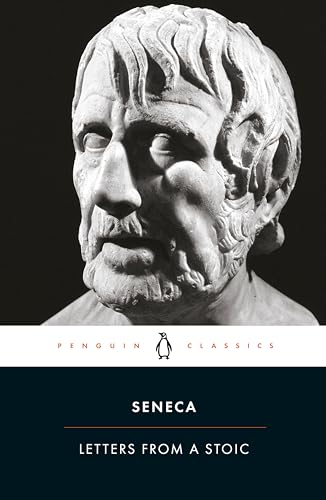
by Seneca
Seneca's letters are quintessential examples of philosophy practiced as a daily, lived experience rather than abstract theory. They provide a deeply personal and practical guide to navigating adversity, friendship, and the passage of time, themes central to Hadot's analysis.

by Paul Tillich
Tillich explores the existential anxiety of the human condition and the necessity of finding meaning through courage and self-affirmation. It resonates with Hadot's view that philosophy is a transformative practice aimed at overcoming the anxieties of existence.

Love to read on the go?
Explore Kindle e-readers and take your books with you.
As an Amazon Associate, we earn from qualifying purchases.

Irvine provides a modern, accessible manual on how to implement Stoic techniques to achieve tranquility and reduce anxiety. It is a perfect companion for readers who appreciated Hadot's explanation of how ancient schools of thought functioned as therapeutic systems.

by Epictetus
This handbook is a distillation of Epictetus's teachings on how to distinguish what is within our control from what is not, a cornerstone of the philosophical way of life. Hadot frequently cites Epictetus as a master of the 'spiritual exercise' of focusing one's attention.

De Beauvoir offers a profound existentialist framework for living authentically in a world without absolute moral certainty. Like Hadot, she treats philosophy not as an academic pursuit but as a necessary, active engagement with the freedom and responsibility of human existence.

Bakewell weaves biography and philosophy together to show how Montaigne used his essays to practice the art of living. It captures the spirit of Hadot’s work by demonstrating how one man turned philosophy into a lifelong, evolving project of self-understanding.

Frankl’s account of finding purpose in the most extreme circumstances is the ultimate testament to philosophy as a way of life—specifically, the capacity to choose one's attitude regardless of external conditions. It aligns perfectly with Hadot's emphasis on inner transformation.

by Aristotle
This foundational text defines the 'good life' through the cultivation of virtue and the pursuit of eudaimonia (flourishing). Hadot’s work is deeply rooted in the Aristotelian tradition of viewing ethics as a practical habit rather than a theoretical study.

Not sure what they've already read?
Let them pick their next favorite with an Amazon Gift Card.
As an Amazon Associate, we earn from qualifying purchases.
As an Amazon Associate, we earn from qualifying purchases.