

Based on your book
Pinball, 1973
by Haruki Murakami
Pinball, 1973 is a quiet, meditative look at a young man adrift in Tokyo. The story follows a narrator who spends his days translating business documents and his nights obsessively tracking down a specific, discontinued pinball machine from his past. It is less a traditional mystery and more a series of vignettes about the peculiar weight of memory and the way we cling to objects to anchor our identities. The pacing is deliberate and slow, mirroring the narrator's own aimless, introspective state of mind. You will feel a distinct, hazy sense of loneliness throughout the pages, punctuated by the mundane rituals that fill a life when the larger purpose seems missing. If you appreciate books that prioritize atmospheric mood over high-stakes action and find comfort in the melancholic beauty of the everyday, this is for you.
10 Books similar to 'Pinball, 1973'
If the quiet ache of this story resonated with you, these selections were curated to keep you in that introspective headspace. We chose books that explore the same territory of urban isolation, the search for meaning in the mundane, and the way our personal obsessions define our existence. Whether you are looking for the raw existential dread found in Dazai or the surreal, dreamlike puzzles of Auster, these authors capture that specific, lingering feeling of being a stranger to your own life. These titles act as companions to your journey through the fog of memory.
As an Amazon Associate, we earn from qualifying purchases.

As the spiritual successor to the themes of loss and transition found in Murakami's early work, this novel captures the same poignant, melancholic atmosphere of young adulthood in Japan. It mirrors the detached, introspective narrative voice that makes the protagonist's journey in Pinball, 1973 so deeply resonant.

Murakami was heavily influenced by Salinger, and this classic captures the same sense of alienation and the struggle to find meaning in a superficial world. Like the protagonist of Pinball, 1973, Holden Caulfield navigates a lonely, observational existence that feels both specific and universal.

This novel shares the quirky, detached, and slightly surreal observation of modern Japanese life found in Murakami's writing. It focuses on a protagonist who finds comfort in the rigid structure of a mundane job, much like the obsession with pinball machines serves as an anchor for the narrator in Pinball, 1973.

Yoshimoto's writing echoes the dreamlike, gentle sadness of Murakami's early novels, focusing on the quiet connections between lonely individuals. It captures the same sense of urban isolation and the search for comfort in simple, everyday things.

Prefer to listen?
Try Audible and hear the story instead of reading it.
As an Amazon Associate, we earn from qualifying purchases.

As the direct sequel to Pinball, 1973, this book is essential for any fan of the original. It expands on the surreal, detective-like journey of the same protagonist, blending mystery with existential dread in a way that feels like a natural progression of the earlier narrative.

by Paul Auster
Auster’s work shares the meta-fictional, detective-noir elements that Murakami often plays with, focusing on identity and the randomness of fate. It provides a similar intellectual puzzle for the reader, where the plot is less about the resolution and more about the atmosphere of the search.

This novel captures the nocturnal, urban, and slightly hallucinatory vibe of Murakami's writing, mirroring the feeling of being awake in a city that is slowly losing its grip on reality. It shares the same focus on the intersection of mundane lives and unexplained phenomena.

by Osamu Dazai
This classic of Japanese literature explores the profound alienation and inability to connect with society that underpins many of Murakami's characters. It is a darker, more raw look at the same existential crisis that the narrator of Pinball, 1973 quietly experiences.
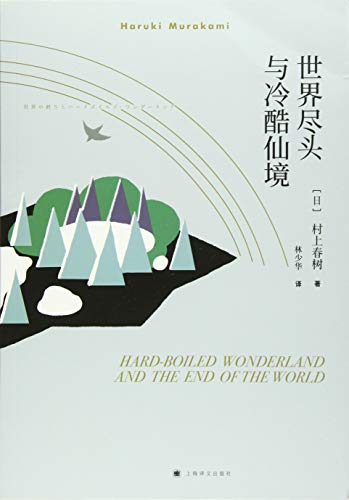
For readers who enjoy the dual-narrative structure and the surreal, puzzle-like quality of Murakami's work, this novel is a perfect match. It balances a hard-boiled mystery style with a dreamlike, introspective fantasy world, showcasing his mastery of atmosphere.
While more sprawling than the compact Pinball, 1973, this novel is the pinnacle of Murakami's 'ordinary man in an extraordinary situation' motif. It features the same search for a missing element of one's life, wrapped in layers of history, mystery, and surrealism.

Love to read on the go?
Explore Kindle e-readers and take your books with you.
As an Amazon Associate, we earn from qualifying purchases.
As an Amazon Associate, we earn from qualifying purchases.