

Based on your book
Plotinus or the Simplicity of Vision
by Hadot, Pierre
Pierre Hadot does not merely summarize the philosophy of Plotinus; he invites you to inhabit the intellectual landscape of the third century. The book centers on the idea that for Plotinus, philosophy was not a detached academic exercise but a rigorous spiritual discipline intended to transform the practitioner's consciousness. Hadot peels back layers of complex metaphysics to reveal the core of this system: the simplicity of vision, a state of profound clarity that transcends the fragmented nature of ordinary perception. The prose is precise and meditative, demanding a slow, deliberate pace as you navigate the tension between the self and the absolute. This is an ideal read for those who feel the weight of modern existential noise and are searching for a tradition that treats philosophy as a practice for living rather than a set of abstract theories.
10 Books similar to 'Plotinus or the Simplicity of Vision'
If this exploration of the Neoplatonic mind left you hungry for more, these selections are curated to deepen your engagement with the intersection of ancient wisdom and existential practice. We chose these titles because they echo the core themes of the internal gaze, the pursuit of clarity, and the transformation of the self. Whether you want to ground yourself in the primary texts of the Hellenistic tradition, examine the psychological reality of mystical experience, or contrast ancient detachment with modern existentialism, these books serve as essential companions for your ongoing philosophical journey.
As an Amazon Associate, we earn from qualifying purchases.

by Pierre Hadot
As the foundational text for understanding Hadot's broader project, this book expands on the idea that philosophy in antiquity was a lived practice rather than just a theoretical discourse. Readers who appreciated the focus on Plotinus's spiritual exercises will find this essential for contextualizing the entire Hellenistic philosophical tradition.
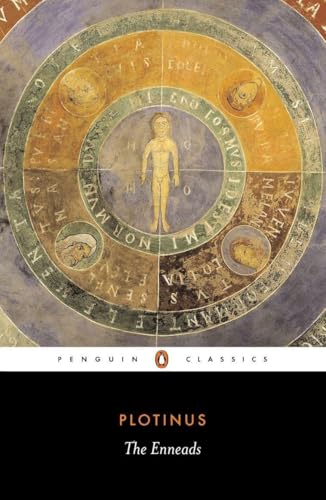
by Plotinus
To truly understand Hadot's interpretation, one must return to the primary source material itself. These essays provide the direct mystical and metaphysical insights that Hadot so masterfully unpacks, offering a direct encounter with the 'simplicity of vision' discussed in the original work.

This classic text exemplifies the 'philosophy as a way of life' approach that Hadot champions. It offers a deeply personal, practical guide to maintaining inner clarity and simplicity amidst the chaos of external life, mirroring the spiritual discipline found in Neoplatonism.

James provides a rigorous psychological and philosophical examination of the mystical experiences that Plotinus describes. Fans of Hadot will appreciate the analytical yet respectful tone used to bridge the gap between academic study and the subjective reality of spiritual vision.

Love to read on the go?
Explore Kindle e-readers and take your books with you.
As an Amazon Associate, we earn from qualifying purchases.

by Pierre Hadot
This collection of essays serves as the perfect companion piece to his work on Plotinus, further exploring how ancient philosophical schools were designed to transform the practitioner's mode of being. It provides the necessary breadth to understand why the 'simplicity of vision' was a central goal for many ancient thinkers.

by Boethius
Written while the author faced execution, this work is a profound example of philosophy serving as a source of strength and clarity. Its structure of dialogue and its focus on transcending worldly suffering align perfectly with the Neoplatonic themes of detachment and vision found in Hadot’s analysis.

by Julius Evola
While more esoteric than Hadot, this work explores the metaphysics of love and the 'simplicity' of union in a way that resonates with the mystical ascent described in Plotinus. Readers interested in the transformative, spiritual potential of human experience will find this a compelling, if challenging, read.

by Albert Camus
Camus offers a modern counterpoint to the ancient search for meaning, focusing on the absurd and the necessity of clarity in an indifferent universe. Readers who value the intellectual rigor of Hadot will appreciate Camus's intense, focused exploration of how to live authentically.

by Michael York
This book provides a broader scholarly context for the Neoplatonic worldview, helping readers understand the religious and cultural landscape that produced Plotinus. It is an excellent choice for those who want to see how the 'simplicity of vision' fits into a larger, coherent system of thought.

Schopenhauer’s work is deeply influenced by the same ancient traditions Hadot studies, particularly the concept of the 'veil of Maya' which mirrors the Neoplatonic focus on transcending appearances. Readers of Hadot will recognize the intellectual lineage and the pursuit of a singular, clarifying truth.

Not sure what they've already read?
Let them pick their next favorite with an Amazon Gift Card.
As an Amazon Associate, we earn from qualifying purchases.
As an Amazon Associate, we earn from qualifying purchases.