

Based on your book
Post office
by Charles Bukowski
Charles Bukowski's Post office drops you into the soul-crushing monotony of Henry Chinaski's life as a postal worker. It's a raw, unvarnished look at the drudgery, the absurd rules, and the bizarre characters he encounters daily, punctuated by his equally chaotic existence outside work. Reading this feels like sitting across from Chinaski himself, listening to his cynical, often hilarious, and always brutally honest observations on humanity and the systems that grind us down. The prose is lean and direct, never shying away from the bleakness but finding moments of dark humor in the absurdity. This book is for anyone who appreciates an anti-hero, sharp social satire, and a deeply realistic, often uncomfortable, slice of life that refuses to offer easy answers or comforting resolutions.
10 Books similar to 'Post office'
If you connected with the raw honesty, cynical humor, and outsider perspective of Post office, then our selections aim to offer that same kind of unflinching literary experience. We've gathered books that share Bukowski's minimalist, direct prose and his focus on the anti-hero navigating a world that often feels absurd or actively hostile. You'll find similar explorations of social commentary and moral ambiguity, often through protagonists who live on the fringes, providing a gritty, realistic view of life that avoids sentimentality and embraces the uncomfortable truths.
As an Amazon Associate, we earn from qualifying purchases.

As the direct chronological predecessor to Post Office, this novel features Henry Chinaski drifting through various menial jobs. It shares the same deadpan humor, minimalist prose, and unflinching look at the drudgery of the working class.

by John Fante
A major influence on Bukowski, Fante's story of a struggling writer in Los Angeles captures the same raw, desperate energy and urban loneliness. The protagonist, Arturo Bandini, serves as a spiritual blueprint for the gritty, flawed narrators found in Bukowski's work.

by Henry Miller
This book broke ground for the kind of raw, semi-autobiographical fiction Bukowski mastered. It follows a struggling expatriate in Paris, blending philosophical musings with a gritty, unvarnished depiction of a life lived on the margins.

Like Post Office, this novel utilizes a sparse, matter-of-fact writing style to describe a life of addiction and social alienation. It avoids sentimentality, offering a clinical yet fascinating look at the American underbelly.

Love to read on the go?
Explore Kindle e-readers and take your books with you.
As an Amazon Associate, we earn from qualifying purchases.

Bukowski frequently cited Céline as a favorite for his misanthropic wit and cynical worldview. This novel's relentless exploration of the absurdity of human institutions and the hardships of the common man resonates deeply with the themes of Post Office.

This collection of linked stories captures the same hallucinatory, alcohol-fueled reality as Bukowski's best work. The prose is lean and punchy, focusing on characters who are lost, broken, and searching for moments of grace in a gritty world.

While more journalistic, Orwell's account of living in extreme poverty and working grueling service jobs mirrors the workplace frustrations found in Post Office. It provides a sharp social commentary on the invisibility of the working poor.
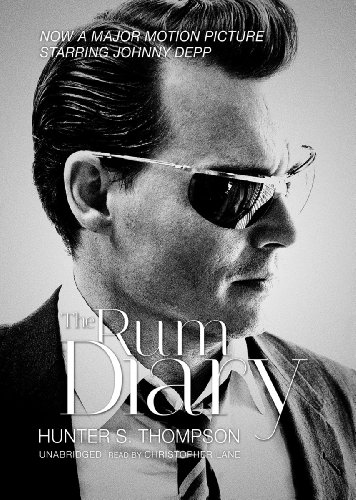
Set in 1950s Puerto Rico, this novel follows a journalist through a haze of alcohol, heat, and workplace cynicism. Fans of Bukowski will appreciate the hard-drinking protagonist and the satirical take on corporate and social structures.

This book offers an even darker, more intense version of the urban grit found in Bukowski's Los Angeles. It uses unconventional prose to depict the lives of those trapped in a cycle of poverty, violence, and addiction.

To understand the cynicism of Henry Chinaski in Post Office, one must read this coming-of-age story. It details his traumatic childhood and adolescence, providing the emotional foundation for his later detachment and anti-establishment attitude.

Not sure what they've already read?
Let them pick their next favorite with an Amazon Gift Card.
As an Amazon Associate, we earn from qualifying purchases.
As an Amazon Associate, we earn from qualifying purchases.