

Based on your book
Princes of the Yen
by Richard Werner
Princes of the Yen is a meticulous, almost forensic, examination of Japan's economic struggles in the late 20th century. Richard Werner argues that the Bank of Japan, far from being a neutral guardian, deliberately engineered the nation's 'lost decades' through a sophisticated manipulation of the financial system. Reading this book feels like a deep dive into a conspiracy, peeling back layers of official history to reveal the immense, often unseen, power wielded by central bankers. It's a challenging but incredibly rewarding read for anyone fascinated by how political intrigue and behind-the-scenes power dynamics truly shape economies. If you love rigorous analysis and want to understand the hidden levers of global finance, this book will profoundly shift your perspective on who really controls the money.
10 Books similar to 'Princes of the Yen'
For those who appreciated Werner's deep dive into the hidden power dynamics of central banking, our recommendations continue that exploration of institutional influence. We've curated books that similarly pull back the curtain on behind-the-scenes control and systemic manipulation, whether through meticulous historical accounts of monetary policy or unsettling revelations of how financial systems are truly shaped. These selections challenge established narratives, offering an intellectual journey into the often-opaque world where money and power intersect, much like Werner illuminated with the Bank of Japan.
As an Amazon Associate, we earn from qualifying purchases.

This book offers a deeply critical and investigative look into the origins and operations of the Federal Reserve, much like Werner dissects the Bank of Japan. Readers will appreciate the meticulous research and the challenging of established narratives regarding central banking and monetary control.

Delving into the lives and decisions of the central bankers who navigated the world economy before the Great Depression, this book provides a historical context for understanding the immense power and potential pitfalls of central banking, mirroring Werner's focus on institutional influence.

Graeber's monumental work challenges conventional economic wisdom by tracing the history of debt and money across millennia, offering a philosophical and anthropological perspective on how these concepts shape societies and power structures, resonating with Werner's critique of modern financial systems.

by Naomi Klein
Klein exposes how political and economic elites exploit crises to push through radical free-market policies, revealing the darker side of power dynamics and systemic manipulation that fans of Werner's critique of institutional control will find compelling.

Not sure what they've already read?
Let them pick their next favorite with an Amazon Gift Card.
As an Amazon Associate, we earn from qualifying purchases.

This harrowing historical account vividly portrays the devastating human and societal consequences of hyperinflation in post-WWI Germany, offering a stark illustration of how extreme monetary policy failures can unravel a nation, a theme that underpins Werner's examination of central bank actions.
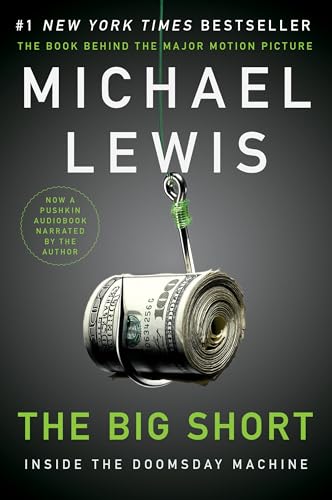
Michael Lewis masterfully chronicles the few individuals who foresaw and profited from the 2008 financial crisis, exposing the systemic flaws, greed, and hidden mechanisms within the financial industry with an investigative rigor akin to Werner's analysis of the Bank of Japan.

by John Perkins
Perkins's controversial memoir details his alleged role in a system where developing nations are manipulated into debt to serve U.S. corporate and political interests, offering a first-person account of the global power dynamics and hidden agendas that resonate with Werner's exposé of institutional control.
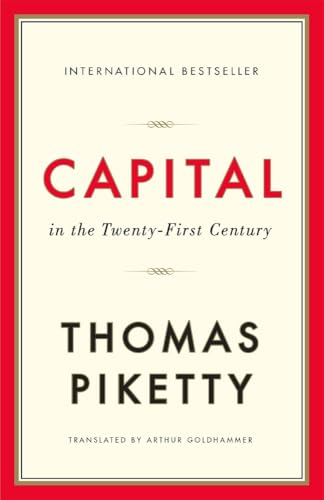
Piketty's groundbreaking work provides a comprehensive historical and economic analysis of wealth and income inequality, offering a rigorous, data-driven examination of how capital accumulation shapes societies and power structures, appealing to readers who appreciate Werner's analytical depth.

Ferguson offers a sweeping historical narrative of money and finance, explaining how financial innovations and institutions have shaped civilizations and global power dynamics, providing a broad context for understanding the specific issues Werner addresses regarding central banking.

by Mervyn King
Written by a former Governor of the Bank of England, this book provides an insider's critical perspective on modern central banking, monetary policy, and the challenges facing the global economy, offering a nuanced yet authoritative analysis that complements Werner's institutional critique.

Love to read on the go?
Explore Kindle e-readers and take your books with you.
As an Amazon Associate, we earn from qualifying purchases.
As an Amazon Associate, we earn from qualifying purchases.