

Based on your book
Psychiatry
by Wiseman, Bruce
Bruce Wiseman delivers a relentless and cold-eyed examination of the psychiatric industry, stripping away the clinical veneer of modern mental health to expose its roots in social control and institutional power. This is not a gentle exploration of the human mind, but rather a demanding, high-stakes interrogation of the medical establishment. Expect a dense, analytical prose style that forces you to confront uncomfortable moral dilemmas regarding how we label and treat non-conformity. The atmosphere is consistently intense and provocative, functioning as a sustained argument that challenges almost everything you have been taught about the legitimacy of psychiatric diagnosis. This book is for the reader who enjoys dismantling mainstream narratives and is willing to engage with heavy, systemic critiques. It is best suited for those who prioritize skepticism and historical context over conventional, comforting medical advice.
10 Books similar to 'Psychiatry'
When you finish Psychiatry, you will likely find yourself craving more perspectives that challenge the medical status quo. We curated these titles because they share that same defiant spirit, digging into the intersection of corporate profit, systemic power dynamics, and the erosion of individual autonomy. Whether you are interested in the historical pathologizing of political dissent or the modern influence of pharmaceutical giants, these books mirror the analytical rigor and moral urgency of Wiseman’s work. They offer a comprehensive toolkit for anyone looking to further unpack how institutional systems shape our definition of sanity.
As an Amazon Associate, we earn from qualifying purchases.

by Thomas Szasz
Like Wiseman, Szasz is a fierce critic of the psychiatric establishment, arguing that mental illness is a metaphor rather than a biological disease. Readers interested in the ideological underpinnings of psychiatry will find this foundational text essential for understanding the anti-psychiatry movement.

This book provides a meticulously researched historical deep dive into the treatment of the mentally ill in America, revealing a disturbing history of abuse and failed medical practices. It aligns perfectly with Wiseman's critical stance on the efficacy and ethics of the psychiatric industry.
Whitaker investigates the explosion of psychiatric disability in the modern era, questioning whether the widespread use of psychotropic drugs is actually fueling the crisis. It shares Wiseman's skeptical approach to the pharmaceutical and psychiatric industrial complex.
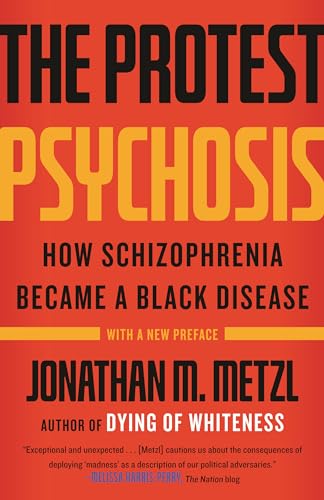
Metzl explores how psychiatric diagnoses were used to pathologize political dissent, specifically among African American men during the civil rights era. This book mirrors Wiseman's concerns about psychiatry being used as a tool for social control and political suppression.

Prefer to listen?
Try Audible and hear the story instead of reading it.
As an Amazon Associate, we earn from qualifying purchases.

by Edward S. Herman and Noam Chomsky
While not strictly about psychiatry, this seminal work exposes how institutions manipulate public perception and enforce conformity, a theme central to Wiseman's critique of systemic psychiatric power. Readers who appreciate Wiseman's 'outsider' perspective on institutions will find this highly relevant.

by Thomas Szasz
Szasz draws direct parallels between the historical persecution of witches and the modern psychiatric system's treatment of the 'mentally ill.' It provides a deeper historical context for the arguments made in Wiseman's work regarding the dehumanization of patients.

Watters explores how the American psychiatric model is being exported globally, often erasing diverse cultural understandings of mental health in the process. It complements Wiseman's work by examining the global reach and potential harm of Western psychiatric hegemony.
This book offers a personal and investigative look at the history and science of anxiety, providing a nuanced counterpoint to purely critical texts while still examining the limitations of current medical interventions. It serves as a balanced companion to Wiseman's more aggressive critique.

by David Healy
Healy, a psychiatrist himself, provides a scathing insider's critique of the pharmaceutical industry's influence on the medical profession. His work echoes Wiseman's concerns about the corruption and profit-driven motives that undermine patient care.
Levine argues that the mental health system often functions as a mechanism to enforce obedience rather than foster healing, particularly for those who rebel against oppressive societal norms. It aligns with Wiseman's view that psychiatry is often a tool for societal control.

Love to read on the go?
Explore Kindle e-readers and take your books with you.
As an Amazon Associate, we earn from qualifying purchases.
As an Amazon Associate, we earn from qualifying purchases.