

Based on your book
Psychology of Computer Programming
by Gerald M. Weinberg
Gerald Weinberg wrote this book in 1971, yet it remains the most clear-eyed examination of the human behavior driving software development. He treats code not as a sterile mathematical product, but as a mirror reflecting the insecurities, power struggles, and communication gaps of the people writing it. The reading experience is calm and deeply observant, stripping away the technical mystique of the profession to reveal the social dynamics beneath. Weinberg introduces the concept of ego-less programming, challenging you to detach your sense of self from your work. It is an intellectual, occasionally dry, but profoundly human look at how we build things together. This is essential for any developer or manager who has realized that the hardest part of software engineering is not the logic, but the people.
10 Books similar to 'Psychology of Computer Programming'
Since you appreciated Weinberg's focus on the social architecture of technical work, these selections follow his lead by exploring the intersection of human cognitive patterns and systemic output. We chose these titles because they bridge the gap between pure engineering and organizational psychology, focusing on themes like team dynamics, the necessity of ego-less craftsmanship, and the cognitive biases that influence every line of code written. Whether you are interested in the sociological reality of the tech industry or the psychological conditions that foster deep, productive work, these books expand on the foundation Weinberg built.
As an Amazon Associate, we earn from qualifying purchases.

Like Weinberg's work, this classic text bridges the gap between technical management and human psychology. It remains essential reading for understanding why large software projects often fail due to communication and organizational issues rather than just code.

by Tom DeMarco and Timothy Lister
This book shares Weinberg's focus on the human element of software development, arguing that the primary problems in the industry are sociological, not technological. It is a foundational text for anyone interested in team dynamics and work environments.

While more technical than Weinberg, it shares the same underlying philosophy that programming is a craft performed by humans for humans. It emphasizes the 'ego-less' approach to code quality and maintainability.

Fans of Weinberg's analytical and systems-thinking approach will appreciate this exploration of consciousness, logic, and patterns. It delves deep into the cognitive structures that underpin both human thought and computer science.

Prefer to listen?
Try Audible and hear the story instead of reading it.
As an Amazon Associate, we earn from qualifying purchases.

by Andrew Hunt and David Thomas
This book treats software development as a holistic discipline, much like Weinberg, emphasizing the mindset and habits of the individual programmer. It focuses on the personal growth and professional responsibility required to excel in the field.
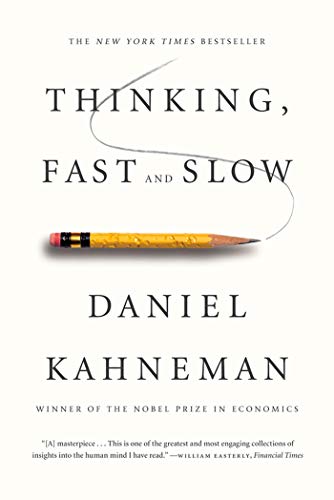
This is the psychological backbone for understanding why programmers (and humans in general) make the errors they do. It provides the scientific context for the cognitive biases that Weinberg intuitively identified in his own work.

Thompson provides a modern cultural analysis of the 'tribe' Weinberg helped define decades ago. It explores the psychology, habits, and social impact of the people who write the software that runs our lives.

This book echoes Weinberg's belief that debugging is as much about the programmer's mindset as it is about the tools. It offers a practical, psychological approach to problem-solving that resonates with the 'ego-less' philosophy.

by Tracy Kidder
A Pulitzer Prize-winning narrative that captures the intense, often obsessive psychology of a team of engineers building a new computer. It is the perfect narrative companion to Weinberg's theories on team dynamics.
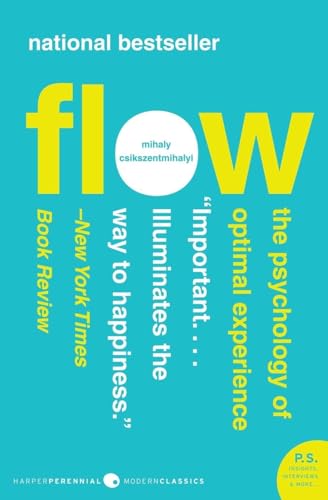
Weinberg often discussed the state of 'flow' in programming; this book is the definitive study of that phenomenon. It explains the psychological conditions necessary for deep, productive, and satisfying work.

Love to read on the go?
Explore Kindle e-readers and take your books with you.
As an Amazon Associate, we earn from qualifying purchases.
As an Amazon Associate, we earn from qualifying purchases.