

Based on your book
Pulp Fiction
by Bailey, Jason
Jason Bailey does not just recount the making of a movie; he dissects the moment American cinema shifted on its axis. This book treats Pulp Fiction as a cultural earthquake, tracing how a low-budget project born from video store obsessions managed to rewrite the rules of narrative structure and cool. Bailey balances the granular, behind-the-scenes reality of the set with a sharp analysis of the societal climate that made this film an unavoidable phenomenon. The writing is lean and punchy, mirroring the energy of the script it studies. You get a clear-eyed look at the ego, the talent, and the industry luck required to pull off such a gamble. If you are the type of reader who wants to understand the machinery behind a masterpiece rather than just admire the finished product, this is your book.
10 Books similar to 'Pulp Fiction'
If this deep dive into the industry mechanics of the nineties hooked you, you will find a similar grit in our curated list. We selected these titles because they capture that specific tension between artistic ambition and the cutthroat reality of Hollywood power structures. Whether you are interested in the chaotic rise of independent cinema or the way a single film can dismantle an entire studio system, these books share Bailey's analytical rigor. They explore the same volatile mix of ego, innovation, and industry shifts that defined the era.
As an Amazon Associate, we earn from qualifying purchases.

Like Bailey's book, this is a definitive, gossipy, and deeply researched look at a pivotal era in American cinema. It captures the same chaotic, drug-fueled, and revolutionary energy that defined the 1990s indie film scene.

by Tom Shone
This book offers a comprehensive visual and critical deep dive into Tarantino's filmography, providing the perfect companion for those who want to understand the auteur's stylistic evolution. It mirrors Bailey's focus on the cultural significance and technical brilliance of the director's work.

Focusing on the rise of the independent film movement (Miramax, Sundance), this book provides the industry context that birthed films like Pulp Fiction. It shares the same 'insider' grit and focus on the power dynamics of Hollywood.
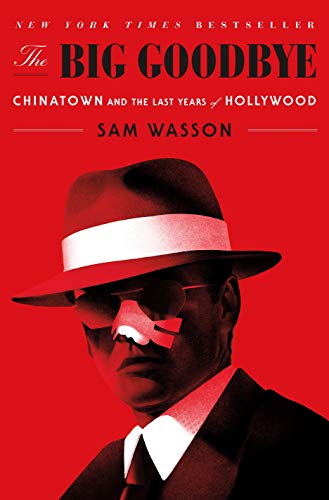
by Sam Wasson
This is a masterful exploration of the making of a classic film that changed cinema, much like Bailey's analysis of Tarantino's masterpiece. It captures the tension, the ego, and the artistic lightning-in-a-bottle moment of 1970s filmmaking.

Love to read on the go?
Explore Kindle e-readers and take your books with you.
As an Amazon Associate, we earn from qualifying purchases.

Raftery explores the transformative power of 1999 in cinema, a year deeply influenced by the shockwaves of Pulp Fiction. It shares a similar enthusiasm for pop culture and the way specific films redefine the cinematic landscape.

This book chronicles how a new generation of filmmakers (including those who paved the way for Tarantino) reinvented the horror genre. It matches the 'rebel filmmaker' energy and the analytical approach to how movies break rules.

A classic Hollywood exposé about the rise and fall of Jon Peters and Peter Guber, capturing the same cutthroat, wild-west atmosphere of the film industry that Bailey touches upon. It is essential reading for understanding the business side of the 'Pulp Fiction' era.

Written by the subject himself, this book provides the ultimate insight into the films and directors that influenced the creation of Pulp Fiction. It is a must-read for fans who want to understand the 'why' behind the style.

Often cited as the best 'making-of' book ever written, it details the disastrous production of 'The Bonfire of the Vanities,' serving as a perfect counterpoint to the success of 'Pulp Fiction.' It captures the same high-stakes, pressure-cooker environment of filmmaking.

by Mark Harris
Harris examines five films nominated for Best Picture in 1967, showing how they signaled the end of the old Hollywood studio system. It shares the same structural approach as Bailey's book, using a specific moment in time to explain a massive cultural shift.

Not sure what they've already read?
Let them pick their next favorite with an Amazon Gift Card.
As an Amazon Associate, we earn from qualifying purchases.
As an Amazon Associate, we earn from qualifying purchases.