

Based on your book
QUAKERS, CHRIST, & THE ENLIGHTENMENT
by PENNINGTON
Pennington tackles a fascinating, often overlooked intersection in intellectual history: how the quietist, Christ-centered faith of early Quakers managed to navigate the turbulent, rationalist currents of the Enlightenment. This is not a dry academic slog, but a pointed examination of how theological conviction survives in an age that began to prize logic over revelation. You will feel the tension between the inward light and the external pressure of a changing world, making it a cerebral read that rewards slow, deliberate engagement. The pacing is measured and thoughtful, designed for readers who enjoy unspooling complex arguments rather than sprinting through a narrative. If you are someone who finds yourself pondering the persistent conflict between fate and free will, or if you are interested in how historical shifts in thought actually altered the way people lived their daily lives, this book will keep you occupied for hours.
10 Books similar to 'QUAKERS, CHRIST, & THE ENLIGHTENMENT'
Since you enjoyed the intellectual rigor of Pennington, these selections were curated to further explore the friction between radical faith and shifting societal norms. You might start with the work of George Huntston Williams or Paul Hazard if you want to ground your understanding in the broader historical and philosophical backdrop. For those drawn to the personal, lived experience of these theological debates, George Fox’s journals or Rex Ambler’s modern reflections offer a more intimate look at how these abstract concepts translate into practice. Each choice highlights the tension between institutional history and personal spiritual agency.
As an Amazon Associate, we earn from qualifying purchases.

Like Pennington's work, this book offers a concise and scholarly look at the evolution of Quakerism, perfect for readers interested in the intersection of religious practice and historical change. It provides a clear, analytical framework for understanding the core tenets of the faith alongside its social impact.

This monumental work provides the essential historical context for the radical religious movements that paved the way for groups like the Quakers. It shares the same academic rigor and focus on theological dissent that defines Pennington's exploration of Christ-centered Enlightenment thought.

To understand the Enlightenment's impact on religious groups, one needs a broad understanding of the era's intellectual landscape, which this book masterfully provides. It complements Pennington's specific focus on Quakers by situating them within the wider, transformative cultural shifts of the 18th century.

by George Fox
As the primary source material for the origins of Quakerism, this journal offers the raw, firsthand experience of the theology Pennington analyzes. It is essential reading for anyone wanting to see the 'Christ-centered' life in practice during the turbulent 17th century.

Love to read on the go?
Explore Kindle e-readers and take your books with you.
As an Amazon Associate, we earn from qualifying purchases.
Christopher Hill is a master of exploring how radical religious ideas permeated the lives of ordinary people during the English Revolution. Readers who appreciated Pennington's analysis of how Quaker theology interacted with the intellectual currents of the time will find this study deeply resonant.

This classic text bridges the gap between theology and psychology, much like Pennington's work bridges the gap between faith and the Enlightenment. It provides a profound, philosophical look at the nature of religious belief that remains highly relevant to the themes in Pennington's book.

Thompson's seminal work explores the historical development of radical dissent, including the influence of early Quakerism on social consciousness. It provides the necessary socio-political context that helps explain why the theological arguments in Pennington's book were so revolutionary.

by Rex Ambler
Ambler offers a more contemporary and accessible look at the spiritual practice of Quakers, focusing on the inward light and the direct experience of Christ. It serves as a practical, spiritual companion to the historical and intellectual analysis found in Pennington's book.
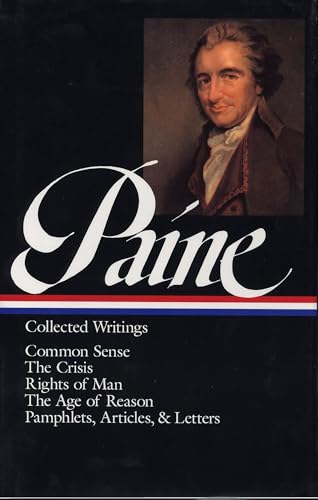
by Thomas Paine
To truly grasp the Enlightenment's challenge to traditional religion—a central tension in Pennington's work—reading Paine is essential. This book represents the secular, rationalist pole of the debate that Quakers had to navigate during the 18th century.

by Paul Hazard
Hazard provides a brilliant, sweeping analysis of the intellectual shift from the religious certainty of the 17th century to the critical, rational spirit of the Enlightenment. It is the perfect historical backdrop for understanding the theological environment Pennington describes.

Not sure what they've already read?
Let them pick their next favorite with an Amazon Gift Card.
As an Amazon Associate, we earn from qualifying purchases.
As an Amazon Associate, we earn from qualifying purchases.