
Based on your book
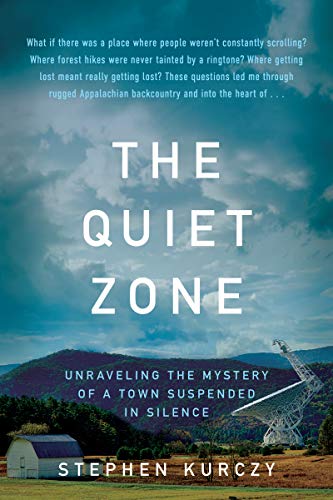
Quiet Zone
by Stephen Kurczy
Quiet Zone by Stephen Kurczy takes you deep into Green Bank, West Virginia, a place where the airwaves are silent due to the massive Green Bank Observatory. This isn't just a travelogue; it's an immersive piece of investigative journalism exploring the lives of people who live by choice or necessity in America's last true electromagnetic 'quiet zone.' Kurczy skillfully observes how this unique environment shapes a community, from those seeking refuge from modern tech to others simply trying to make a living. The reading experience is both informative and deeply reflective, prompting you to consider our pervasive reliance on technology and what it truly means to disconnect. If you're fascinated by alternative ways of living, the hidden corners of America, and thoughtful social commentary, this book offers a singular, thought-provoking journey.
10 Books similar to 'Quiet Zone'
If Stephen Kurczy's exploration of Green Bank resonated with you, you'll find similar echoes in our curated list. We looked for books that share Quiet Zone's fascination with individuals and communities who deliberately choose lives outside the mainstream, often embracing isolation or rejecting modern technological norms. Whether it's the self-imposed solitude of Walden, the radical independence in Into the Wild, or the alternative living arrangements of Nomadland, these selections delve into the profound human yearning for autonomy and a different kind of connection, offering both observational depth and insightful social commentary.
As an Amazon Associate, we earn from qualifying purchases.

Like 'Quiet Zone,' 'Walden' explores the deliberate choice to withdraw from conventional society and embrace a simpler, more self-reliant existence in nature. Thoreau's reflections on independence, technology (or lack thereof), and the search for meaning resonate deeply with the motivations of those seeking refuge in Green Bank.

by Jon Krakauer
This non-fiction account chronicles Christopher McCandless's quest to abandon modern society and live off the land, mirroring the desire for escape and an alternative lifestyle found in 'Quiet Zone.' Both books delve into the profound human yearning for freedom from societal constraints and the challenges of forging an independent path.

Bruder's investigative journalism uncovers a hidden community of older Americans living nomadic lives in vans, echoing 'Quiet Zone's' exploration of alternative subcultures formed in response to modern economic and social pressures. It offers a similar observational lens on individuals seeking autonomy and community outside the mainstream.

This biography of Eustace Conway, a man who chose to live off the grid and in harmony with nature, directly parallels the themes of self-sufficiency and rejecting modern technology found in 'Quiet Zone.' It offers an intimate look at an individual's radical commitment to an alternative way of life.

Prefer to listen?
Try Audible and hear the story instead of reading it.
As an Amazon Associate, we earn from qualifying purchases.

by Edward Abbey
Abbey's reflections on his time as a park ranger in the American Southwest share 'Quiet Zone's' deep connection to unique landscapes and a critical perspective on modern society's impact on nature. Both authors offer an analytical and atmospheric exploration of living deliberately apart from the technological hum.

While different in subject, Desmond's Pulitzer-winning work shares 'Quiet Zone's' rigorous investigative journalism and deep dive into a specific, often overlooked, aspect of American life. It meticulously details the lives within a particular community, revealing systemic issues through individual stories with a similar informative and analytical tone.
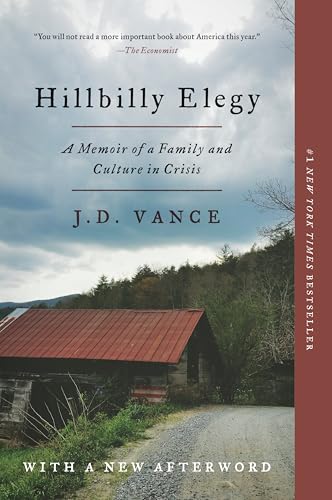
by J.D. Vance
Vance's memoir provides a profound cultural analysis of a specific American subculture in Appalachia, much like 'Quiet Zone' examines the unique community of Green Bank. It explores identity, economic challenges, and the search for belonging within a distinct regional context.

Kimmerer's lyrical non-fiction offers an alternative perspective on humanity's relationship with the natural world, echoing the desire for a more harmonious existence found in 'Quiet Zone.' It encourages readers to reconsider modern paradigms and embrace different ways of knowing and living.

by Delia Owens
This novel features a protagonist who grows up in profound isolation in the North Carolina marshlands, developing an intimate connection with nature. Fans of 'Quiet Zone' will appreciate the atmospheric setting, the 'outsider' perspective, and the themes of survival and self-reliance away from conventional society.

by Pam Houston
Houston's memoir chronicles her life on a remote Colorado ranch, exploring themes of solitude, resilience, and deep connection to the land and animals. It shares 'Quiet Zone's' introspective and observational tone regarding the profound impact of choosing an isolated, nature-centric lifestyle.

Love to read on the go?
Explore Kindle e-readers and take your books with you.
As an Amazon Associate, we earn from qualifying purchases.
As an Amazon Associate, we earn from qualifying purchases.