
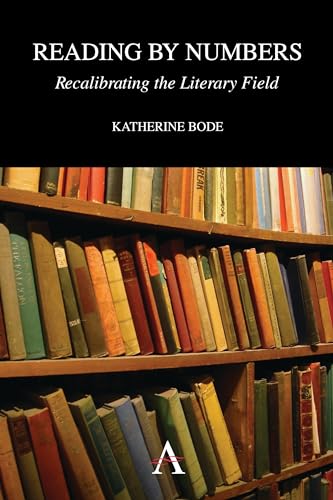
Based on your book
Reading by Numbers
by Katherine Bode
Reading by Numbers isn't a book you simply read; it's a book you engage with intellectually. Katherine Bode takes a fascinating, data-driven approach to understanding literary history, specifically focusing on Australian literature. She uses powerful digital tools to uncover patterns and trends that traditional literary analysis might miss, digging into everything from how gender impacts publishing success to the very formation of literary genres and canons. This isn't light reading, but it's incredibly rewarding if you love pulling back the curtain on how cultural systems operate. Bode's work is rigorous, insightful, and fundamentally changes how you might think about the forces that shape what we read and consider "literature." It's for the reader who enjoys a deep, analytical dive into the mechanics of culture, the history of books, and the power of new research methods to illuminate old questions. Expect to think, to question, and to see the literary world through a fresh, meticulously researched lens.
10 Books similar to 'Reading by Numbers'
If the analytical rigor of Reading by Numbers resonated with you, and you find yourself fascinated by the hidden mechanics behind how we read and what becomes literature, then our curated list offers more to explore. These books continue the conversation about the profound impact of technology on reading practices and publishing history, from the advent of the printing press to the digital age. They share Bode's intellectual curiosity, offering deep dives into cultural shifts and the power dynamics that shape our literary world, ensuring your brain keeps buzzing with new insights.
As an Amazon Associate, we earn from qualifying purchases.

Manguel's magnum opus offers a sweeping, erudite exploration of how humans have read throughout history, from ancient scrolls to modern screens. Fans of Bode's analytical approach to the evolution of reading practices will appreciate its deep historical dive and intellectual curiosity.

Carr meticulously examines the neurological and cultural impact of digital technologies on our reading habits and cognitive processes. This book directly complements Bode's exploration of how new media reshape our engagement with text, offering a critical look at the digital age's effects.

A collection of essays by a leading historian of the book, Darnton's work delves into the history of publishing, libraries, and the challenges and opportunities presented by the digital age. Readers who enjoy Bode's blend of historical scholarship and engagement with contemporary issues will find much to appreciate.

Wolf, a neuroscientist, traces the fascinating history of reading from its ancient origins to the present day, exploring how the brain learns to read and the potential implications of digital reading. It offers a scientific and historical perspective on the act of reading, echoing Bode's data-driven approach to literary history.

Love to read on the go?
Explore Kindle e-readers and take your books with you.
As an Amazon Associate, we earn from qualifying purchases.

by Andrew Piper
Piper explores how reading has changed in the digital age, examining the shifts in attention, memory, and comprehension brought about by electronic texts. This book directly aligns with Bode's focus on the impact of technology on reading, offering a nuanced and scholarly perspective on the contemporary reading experience.

Eisenstein's seminal work details the profound impact of the printing press on European society, culture, and intellectual life. Like Bode's examination of digital humanities, this book illustrates how a revolutionary technology fundamentally reshapes the dissemination and understanding of knowledge.
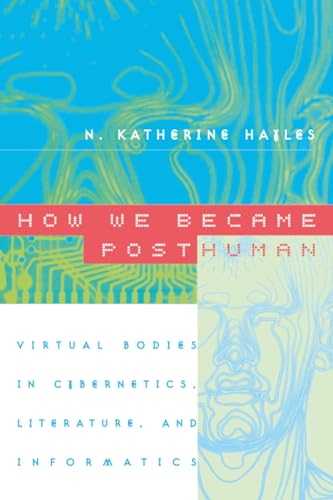
Hayles's foundational text in digital humanities explores the relationship between information, technology, and the human, particularly how cybernetics and informatics have reshaped our understanding of embodiment and text. Its rigorous analytical style and focus on the impact of information technology will resonate with Bode's readers.
Barbier provides a comprehensive account of the printing press's invention and its transformative effects on European society, from the spread of literacy to the Reformation. Similar to Bode, this book meticulously traces the ripple effects of a technological innovation on cultural and intellectual history.
Houston offers a fascinating material history of the book, from ancient papyrus to modern paper, exploring the innovations and craftsmanship behind its creation. Readers who appreciate Bode's deep dive into the mechanics and history of literary production will enjoy this detailed and engaging account.

by Stuart Kells
Kells explores the enduring power and mystique of libraries through history, blending personal anecdotes with scholarly insights into their collections, architecture, and cultural significance. This book shares Bode's reverence for literary institutions and their role in shaping our engagement with knowledge.

Not sure what they've already read?
Let them pick their next favorite with an Amazon Gift Card.
As an Amazon Associate, we earn from qualifying purchases.
As an Amazon Associate, we earn from qualifying purchases.