

Based on your book
Red Clay
by Charles B. Fancher
Red Clay is a quiet, steady, and deeply observant memoir that maps the geography of the American South alongside the internal landscape of its author. It avoids the temptation to romanticize the hardships of a rural upbringing, choosing instead to focus on the grit required to navigate complex family dynamics and the suffocating weight of systemic inequality. The prose feels like a long, honest conversation on a front porch; it is atmospheric and patient, prioritizing truth over spectacle. You will feel the heat of the sun and the tension of the social divides that defined Fancher’s youth. This book is for readers who value introspective storytelling and prefer memoirs that examine the cost of breaking cycles of poverty. It is a grounded, poignant study of how we are molded by our surroundings and how we eventually decide to move past them.
10 Books similar to 'Red Clay'
When selecting books to pair with Red Clay, I looked for narratives that balance the raw reality of poverty with a nuanced, often complicated love for one's origins. Whether you are searching for the visceral Southern atmosphere found in All Over but the Shoutin' or the harrowing, unflinching look at survival present in Bastard Out of Carolina, these titles mirror Fancher’s focus on the tension between personal identity and heritage. They are essential reading for anyone interested in how environment shapes character and the heavy, quiet work of forging a life of your own.
As an Amazon Associate, we earn from qualifying purchases.

Like 'Red Clay,' this memoir explores identity, racial complexity, and the resilience required to survive in a divided society. It shares a poignant, reflective voice that examines family history and the struggle for belonging.
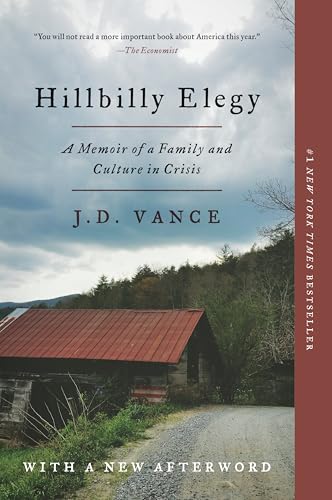
by J.D. Vance
This memoir provides a similar examination of rural poverty and the cultural forces that shape a person's outlook on life. Readers of Fancher will recognize the gritty, honest portrayal of family dysfunction and the desire to break cycles of hardship.

This classic autobiography captures the harsh reality of growing up in the Jim Crow South, echoing the themes of systemic struggle found in 'Red Clay.' It is a powerful, uncompromising look at the search for dignity amidst oppression.

Fans of Fancher's journey will appreciate this memoir about overcoming an isolated and difficult upbringing to find one's own path. Both books deal with the heavy emotional toll of family loyalty versus personal truth.

Love to read on the go?
Explore Kindle e-readers and take your books with you.
As an Amazon Associate, we earn from qualifying purchases.

While fiction, this novel captures the same visceral, raw experience of rural Southern poverty that Fancher describes in his memoir. It offers a harrowing but deeply human look at survival and the strength of the human spirit.

This memoir shares the theme of navigating a chaotic and impoverished childhood while maintaining a sense of self. Like 'Red Clay,' it balances the pain of family neglect with a complex, forgiving love for one's origins.

by Anne Moody
This powerful autobiography mirrors the historical and social pressures present in Fancher's work. It provides a stark, first-hand account of the civil rights era and the personal toll of fighting against deep-seated racial injustice.
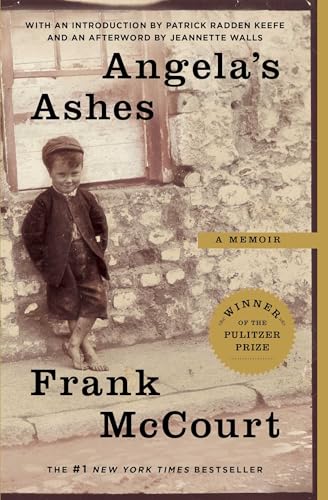
McCourt's memoir of his impoverished childhood in Ireland shares the evocative, storytelling quality found in 'Red Clay.' Both authors manage to infuse their tales of extreme hardship with a dark, observational wit.

by Rick Bragg
Bragg’s memoir is a quintessential Southern narrative about poverty, family, and the legacy of one's upbringing. It shares the same regional authenticity and deep emotional connection to the land and people that defined Fancher's life.
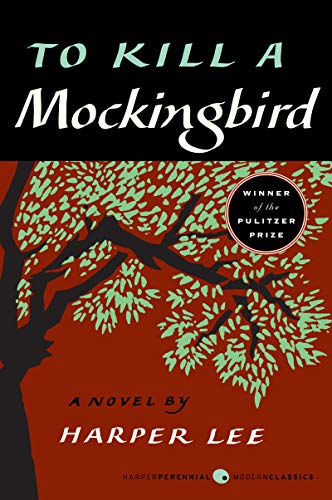
by Harper Lee
Though fictional, this novel captures the essence of the Southern experience, racial tension, and moral growth that Fancher explores in his own life. It remains the definitive literary companion for understanding the atmosphere of the American South.

Not sure what they've already read?
Let them pick their next favorite with an Amazon Gift Card.
As an Amazon Associate, we earn from qualifying purchases.
As an Amazon Associate, we earn from qualifying purchases.