

Based on your book
Reports on the Swamp Lands of North Carolina, Belonging to the State Board of Education
by Walter Gwynn
Reports on the Swamp Lands of North Carolina, Belonging to the State Board of Education isn't a story in the conventional sense, but a window into 19th-century statecraft and resource management. Walter Gwynn's work compiles detailed observations and analyses of North Carolina's vast, often enigmatic, swamp territories. You're reading a primary source, a direct look at how state officials perceived, surveyed, and strategized about these lands—their potential for drainage, agriculture, timber, and the administrative challenges of such undertakings. The reading experience is like sifting through historical documents, uncovering the political and economic calculations that shaped early land policy. It’s deliberate, packed with geographical and hydrological specifics, and deeply analytical. This book is for readers who appreciate historical deep dives, the intricacies of early American land use, and understanding the practical, behind-the-scenes decisions that underpin environmental and political history. If you enjoy intellectual rigor and the satisfaction of piecing together historical power dynamics, this report offers a unique perspective.
10 Books similar to 'Reports on the Swamp Lands of North Carolina, Belonging to the State Board of Education'
If you found yourself engrossed by Walter Gwynn's detailed examination of North Carolina's swamp lands, you likely appreciate a thorough, analytical approach to understanding specific geographical features and their historical significance. Our selections share that commitment to deep dives, exploring how natural landscapes intertwine with human endeavor, policy, and power. Whether it's the intricate ecology of a wetland, the political maneuvering around a natural disaster, or the philosophical implications of land stewardship, these books offer similarly rich, informative journeys into the complex relationship between humans and the environment, often revealing the behind-the-scenes dynamics of resource management and conservation.
As an Amazon Associate, we earn from qualifying purchases.
This book offers a deep dive into the history, ecology, and cultural significance of the Great Dismal Swamp, a major wetland straddling North Carolina and Virginia. Readers who appreciated the detailed geographical and administrative focus of the original report will find a similarly rigorous and informative exploration of a specific, complex swamp ecosystem.

A foundational work of environmental literature, this book meticulously details the natural history and ecological importance of the Florida Everglades. Its comprehensive and passionate portrayal of a vast wetland ecosystem will resonate with those interested in the detailed analysis of specific geographical features and their conservation.
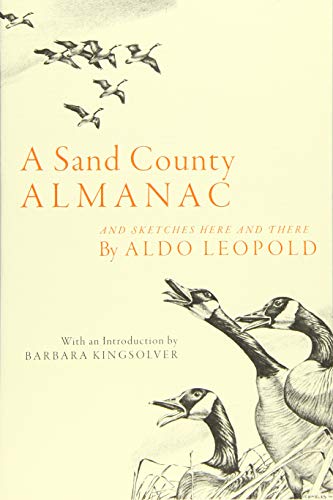
by Aldo Leopold
This classic presents a series of essays on the natural world, advocating for a 'land ethic' through keen observation of a specific landscape. Fans of the original report's observational and analytical approach to land will appreciate Leopold's reflective and philosophical engagement with nature and human responsibility.

Kimmerer, a botanist and member of the Citizen Potawatomi Nation, beautifully intertwines scientific understanding with indigenous perspectives on the natural world. This book offers a deeply informative and reflective exploration of land, similar to the original report's focus on natural resources but with a broader, more holistic view.

Love to read on the go?
Explore Kindle e-readers and take your books with you.
As an Amazon Associate, we earn from qualifying purchases.

Barry's meticulously researched historical account details the devastating 1927 Mississippi River flood and its profound political and social consequences. Readers interested in the intersection of natural forces, human engineering, and governmental response, as implied in the original report, will find this a compelling and informative read.

Dillard's Pulitzer Prize-winning work is a year-long meditation on nature observed in a Virginia creek, blending scientific detail with philosophical inquiry. While more literary, its intense focus on a specific natural environment and the deep observational style will appeal to those who value the detailed geographical descriptions in the original report.

This landmark book exposed the devastating effects of pesticides on the environment, sparking the modern environmental movement. Its rigorous scientific analysis, detailed observations, and call for change will resonate with readers who appreciate the informative and analytical nature of state reports on natural resources.

Kurlansky explores the profound impact of a single natural resource—salt—on human civilization, history, and economy. This book offers a fascinating, detailed, and analytical deep dive into a specific commodity, mirroring the original report's focus on the value and management of natural resources.

by Marc Reisner
Reisner's investigative work uncovers the complex history of water manipulation, politics, and environmental consequences in the American West. This book shares the original report's focus on land management, natural resources, and the intricate policy decisions surrounding them, offering a critical and informative perspective.

This book vividly portrays the unique history, culture, and natural landscape of the Mississippi River Delta region. Readers who enjoyed the specific geographical focus and historical context of the North Carolina swamp report will appreciate this similarly immersive and informative exploration of another significant wetland area.

Not sure what they've already read?
Let them pick their next favorite with an Amazon Gift Card.
As an Amazon Associate, we earn from qualifying purchases.
As an Amazon Associate, we earn from qualifying purchases.