

Based on your book
Return of the Spirit
by Tawfīq Ḥakīm
Return of the Spirit invites you into the bustling, complex world of Cairo during the 1919 Egyptian Revolution, seen through the eyes of young Mohsen. Sent to live with his extended family, Mohsen navigates the intimate, often boisterous dynamics of a large household while the fires of nationalistic fervor ignite outside. It's a deeply reflective coming-of-age story that uses personal awakening to explore the broader 'spirit' of Egypt itself. You'll find yourself immersed in lively family dramas, philosophical debates, and the raw energy of a people finding their voice. This book isn't just about historical events; it's about the soul of a nation and the individual's journey within it. Pick this up if you appreciate historical novels that are rich in social commentary, focused on self-discovery, and offer a realistic, thought-provoking look at identity and rebellion.
10 Books similar to 'Return of the Spirit'
If Tawfīq Ḥakīm's Return of the Spirit resonated with you, particularly its blend of personal awakening against the backdrop of Egyptian nationalism and the intimate portrayal of family life, then our curated list offers more journeys into the heart of early 20th-century Egypt and beyond. We've chosen these books because they similarly explore the spirit of a nation finding its voice, often through the lens of a coming-of-age journey or the intricate dynamics of a single household. Expect to find that same thoughtful realism and deep social commentary as characters navigate self-discovery amidst significant historical shifts, much like Mohsen's own rebellion and introspection.
As an Amazon Associate, we earn from qualifying purchases.

Like Return of the Spirit, this classic of Egyptian literature captures the nationalist fervor of the 1919 Revolution while focusing on the intimate dynamics of a Cairene household. It shares the same blend of political awakening and domestic realism that defines Tawfīq Ḥakīm's masterpiece.

by Taha Hussein
As a contemporary and friend of Al-Hakim, Hussein offers a poignant autobiographical account of intellectual awakening in early 20th-century Egypt. The book mirrors the introspective and philosophical journey toward national and personal identity found in Return of the Spirit.

This novel captures the vibrant, claustrophobic, and communal life of Cairo's backstreets, echoing the 'fellahin' spirit and the collective soul Al-Hakim celebrates. It provides a similar 'slice of life' look at Egyptian society through a diverse ensemble of characters.

by Fathy Ghanem
This work explores the social climbing and political shifts in mid-century Egypt with a focus on national identity and personal ambition. It shares the same interest in the 'Egyptian character' and the psychological impact of a changing political landscape.

Not sure what they've already read?
Let them pick their next favorite with an Amazon Gift Card.
As an Amazon Associate, we earn from qualifying purchases.
While more focused on psychological depth and domestic rebellion, this novel shares Al-Hakim's talent for depicting the tension between traditional Egyptian values and the yearning for individual modern expression.
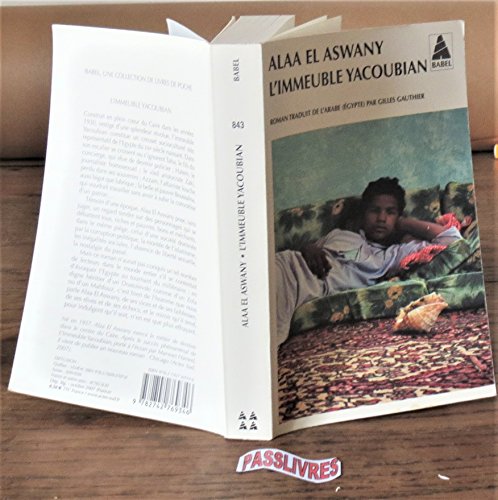
A modern spiritual successor to the social realism of Al-Hakim and Mahfouz, this novel uses a single building to represent the entire cross-section of Egyptian society. It echoes the themes of national disillusionment and the search for a collective spirit.

by Yusuf Idris
Set during the 1952 revolution, this novel captures the same romanticized nationalist passion and the 'spirit' of the Egyptian people that Al-Hakim famously championed. It blends a personal love story with the broader struggle for independence.

This sweeping saga is the definitive exploration of the Egyptian middle class across generations, mirroring Al-Hakim's interest in the evolution of the Egyptian soul from the 1919 revolution onwards.

by Waguih Ghali
Though written later, this novel captures the intellectual malaise and the search for identity among the Egyptian elite, providing a more cynical but equally insightful counterpoint to Al-Hakim's romantic nationalism.

by Albert Memmi
While set in Tunisia, this novel deals with the same themes of colonial identity, the 'return' to one's roots, and the struggle to reconcile indigenous culture with Western influence that Al-Hakim explores through his protagonist.

Prefer to listen?
Try Audible and hear the story instead of reading it.
As an Amazon Associate, we earn from qualifying purchases.
As an Amazon Associate, we earn from qualifying purchases.