

Based on your book
Revolutionary wealth
by Alvin Toffler
Alvin Toffler's Revolutionary Wealth offers a compelling look at how the very definition of wealth is shifting beneath our feet. This isn't just about money; it’s a deep dive into the unseen forces and everyday activities that generate value in our modern world, particularly the 'prosumer' phenomenon where we produce what we consume. Reading it feels like having a brilliant, optimistic friend explain the complex tapestry of global change, connecting dots between technology, culture, and economics with remarkable clarity. You'll finish with a fresh perspective on everything from parenting to open-source software. This is essential reading for anyone who loves to think big about the future, dissect societal evolution, and understand the intricate power dynamics shaping our next wave of prosperity.
10 Books similar to 'Revolutionary wealth'
If Revolutionary Wealth sparked your curiosity about the fundamental shifts in how societies create value, our curated list continues that intellectual journey. We've chosen books that further explore the evolution of wealth beyond traditional models, delve into the impact of technology on our economic systems, and dissect the intricate power dynamics that emerge from these transformations. You'll find direct predecessors like The Third Wave, alongside contemporary analyses that build on Toffler's prescient ideas about the 'non-money economy' and the future of work.
As an Amazon Associate, we earn from qualifying purchases.

As the direct predecessor to Revolutionary Wealth, this book establishes the framework of the 'Third Wave' civilization, exploring how the shift from industrialism to information-based society transforms every aspect of our lives. It is essential reading for understanding Toffler's broader vision of societal evolution.

by Erik Brynjolfsson and Andrew McAfee
This book mirrors Toffler's focus on how digital technologies are reinventing our economy and the nature of work. It provides a data-driven look at the deep fundamentals of wealth creation in an era of automation and artificial intelligence.

by Peter Diamandis and Steven Kotler
Fans of Toffler's optimistic outlook on technological potential will appreciate this exploration of how exponential technologies can meet the basic needs of every person on Earth. It echoes the concept of expanding wealth beyond traditional scarcity-based models.
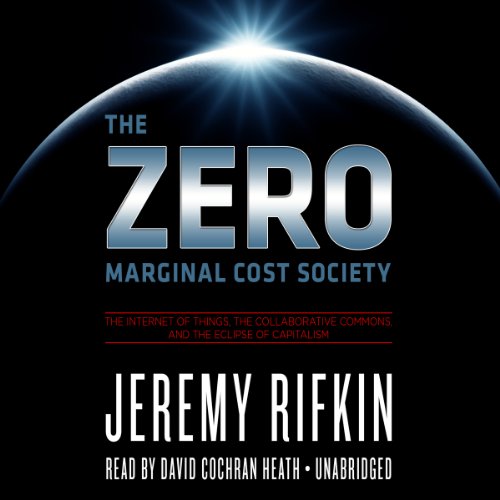
Rifkin explores the rise of the 'Collaborative Commons' and the decline of traditional capitalism, closely aligning with Toffler's theories on the prosumer and the non-money economy. It examines how near-zero costs for information and energy are revolutionizing wealth distribution.

Prefer to listen?
Try Audible and hear the story instead of reading it.
As an Amazon Associate, we earn from qualifying purchases.
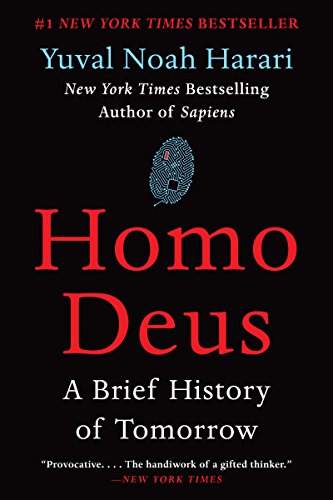
Like Toffler, Harari takes a grand, sweeping view of human history to predict where our species is headed. The book investigates how data and algorithms are becoming the new currency, fundamentally altering the human experience and the concept of value.

While more critical than Toffler, Zuboff provides a profound analysis of how knowledge and data have become the primary drivers of modern wealth. It explores the shadow side of the information revolution, focusing on how human behavior is now the raw material for profit.

Florida identifies a new economic class that mirrors Toffler's knowledge workers, explaining how creativity and information have replaced physical labor as the engine of economic growth. It focuses on the geographical and social shifts resulting from these new wealth patterns.

by Paul Mason
Mason argues that the information revolution is incompatible with traditional capitalism, much like Toffler’s assertion that we are moving toward a revolutionary new wealth system. The book details how the blurring of work and leisure is creating new forms of value.
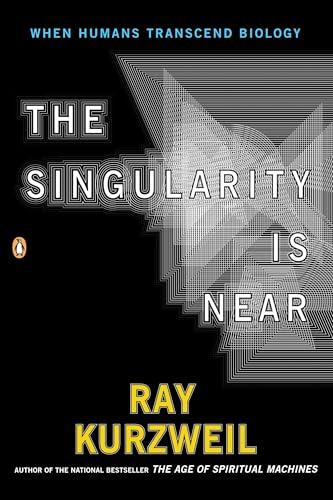
by Ray Kurzweil
For readers fascinated by Toffler's focus on the acceleration of change, Kurzweil provides a deep dive into the exponential growth of technology. It explores how the merging of humans and machines will redefine the very concepts of productivity and wealth.

This book examines the 'financialization' of the economy, distinguishing between those who create real wealth and those who simply move money around. It resonates with Toffler's interest in the deep fundamentals of how a society actually produces value.

Love to read on the go?
Explore Kindle e-readers and take your books with you.
As an Amazon Associate, we earn from qualifying purchases.
As an Amazon Associate, we earn from qualifying purchases.