

Based on your book
Roadside America
by Jennings, Jan
Jan Jennings turns a scholarly but accessible lens toward the overlooked structures that define our cross-country journeys. Instead of focusing on the highways themselves, she digs into the architecture of the roadside—the diners, motels, and service stations that act as the physical manifestations of American transit culture. Reading this feels like taking a slow drive through history, where the mundane becomes meaningful through careful observation and structural analysis. It is a quiet, thoughtful examination of how we designed the spaces meant to house us for only a few hours at a time. This is for the reader who finds beauty in the vernacular landscape and wants to understand the historical forces that shaped the neon-lit, concrete world we pass by every day. It is a book for observers who prefer to look closer at the world rather than just rushing through it.
10 Books similar to 'Roadside America'
Since you enjoyed the way Jennings dissects the built environment, these selections were curated to further your exploration of the American landscape. If you are hungry for more architectural context, look to the field guides and cultural histories that decode the visual language of our towns. For those who connected with the melancholy, transient spirit of the roadside, our fiction and travelogue picks offer a more narrative, atmospheric approach to the same theme. These books collectively bridge the gap between hard historical analysis and the deeply human, often lonely experience of life on the move.
As an Amazon Associate, we earn from qualifying purchases.
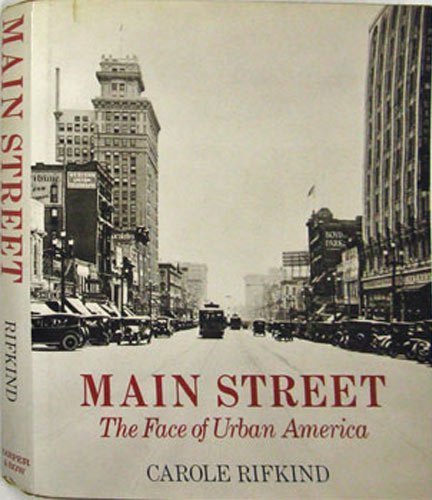
Like Jennings' work, this book offers a deep, scholarly, yet accessible exploration of the American built environment, focusing on the cultural significance of the spaces we inhabit. It serves as an essential companion for those interested in the history of commercial architecture and the evolution of American town planning.

While fiction, this novel perfectly captures the transient, gritty, and often melancholy atmosphere of American roadside culture that Jennings documents. It explores the lives of people living on the margins within the very types of establishments—motels and diners—that define the roadside landscape.

For readers who appreciated the architectural analysis in 'Roadside America,' this definitive guide provides the same level of granular detail and appreciation for design history. It helps the reader decode the visual language of the American landscape, much like Jennings decodes the roadside.
This book taps into the nostalgia and sense of discovery inherent in exploring the remnants of old American travel routes. It mirrors Jennings' interest in how transportation infrastructure shapes cultural identity and the physical landscape.

Not sure what they've already read?
Let them pick their next favorite with an Amazon Gift Card.
As an Amazon Associate, we earn from qualifying purchases.

Kunstler provides a provocative, critical look at the rise of the American roadside, sprawl, and the loss of authentic community spaces. Fans of Jennings will appreciate the historical context and the critical lens applied to the built environment.
This engaging history of the American road trip captures the spirit of the roadside attractions and motels that Jennings writes about with such academic rigor. It provides the narrative context for why these places became iconic touchstones of American culture.

Though focused on a specific, tragic event, Urrea's work is a masterclass in examining the American landscape as a character itself. Readers who enjoy Jennings' focus on the 'road' and the 'border' will find this exploration of the desert landscape deeply compelling.
Stilgoe is a master of observing the mundane and finding profound historical and cultural meaning in it, much like Jennings does with roadside architecture. This book invites readers to look at the American landscape with a fresh, analytical eye.

by Andrew Wood
This book is a direct spiritual successor to the themes in 'Roadside America,' focusing specifically on the evolution of the roadside motel. It provides the same blend of cultural history and architectural observation that Jennings' readers crave.

A classic of travel literature, this book documents a journey across America's backroads, capturing the very essence of the roadside culture Jennings studies. It is the perfect narrative companion to the architectural and cultural history of the American road.

Prefer to listen?
Try Audible and hear the story instead of reading it.
As an Amazon Associate, we earn from qualifying purchases.
As an Amazon Associate, we earn from qualifying purchases.