

Based on your book
Rooms
by Umishima, Senbon
Rooms is a quiet, haunting meditation on the spaces we inhabit and the ways those boundaries shape our internal lives. It avoids grand, sweeping narratives in favor of a slow-burn exploration of isolation, identity, and the existential weight of being alone with one's thoughts. The pacing is deliberate and reflective, mirroring the stillness of the environments the characters find themselves in. As you read, the line between physical architecture and mental state begins to dissolve, creating an atmosphere that feels both intimate and slightly unsettling. This is a book for the reader who enjoys pacing through their own psyche, someone who finds beauty in melancholy and prefers stories that prioritize mood and internal growth over fast-paced plot developments. If you appreciate literature that treats a room as a character itself, this will feel like a long, thoughtful conversation.
10 Books similar to 'Rooms'
If the quiet intensity of Rooms resonated with you, our curated list explores the delicate intersection of isolation and architecture. We selected these titles because they treat physical confinement as a mirror for the human soul, whether through the surreal labyrinths of Piranesi and Kafka on the Shore or the grounded alienation found in Convenience Store Woman. These books share that specific, melancholic fascination with how we construct our identities when removed from the noise of the outside world, offering a bridge for readers who want to linger in those introspective, atmospheric spaces.
As an Amazon Associate, we earn from qualifying purchases.

Much like 'Rooms', this novel explores the psychological toll of confined, impossible spaces that defy the laws of physics. It shares a deeply atmospheric, claustrophobic quality that forces the reader to question the reality of the characters' surroundings.

Murakami’s work often features surreal, dreamlike environments where the boundary between the physical world and the internal psyche blurs. Fans of the strange, character-driven isolation in 'Rooms' will appreciate this blend of magical realism and existential inquiry.

by Han Kang
This novel captures the same sense of alienation and the transformation of the self within a restrictive environment. It echoes the unsettling, quiet intensity found in 'Rooms' as it examines how individuals retreat into their own minds when reality becomes unbearable.

This book offers a grounded yet bizarre look at someone who finds comfort and identity within a rigid, confined space—the convenience store. Readers who enjoyed the character-focused, slightly off-kilter exploration of 'rooms' and societal roles will find this resonance here.
Prefer to listen?
Try Audible and hear the story instead of reading it.
As an Amazon Associate, we earn from qualifying purchases.

Set entirely within a vast, labyrinthine house that acts as a world unto itself, this story perfectly mirrors the fascination with 'rooms' and the isolation they impose. It is a beautiful, contemplative study of how we define ourselves when separated from the rest of society.

by Kōbō Abe
A classic of Japanese literature, this novel centers on a man trapped in a pit, forced to shovel sand to survive, mirroring the themes of entrapment and the psychological transformation that occurs in confined spaces. It is a direct thematic ancestor to the concepts explored in 'Rooms'.
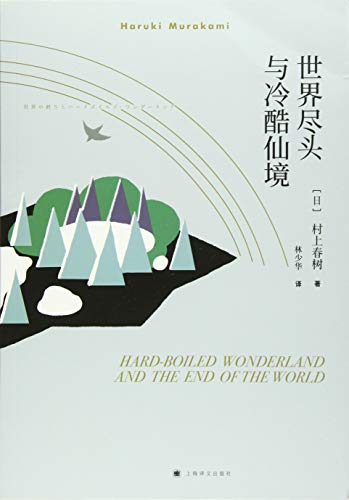
This dual-narrative story features a 'Town' that is essentially a surreal, enclosed space where memories and identities are stripped away. It shares the same dreamlike, melancholic vibe and the focus on the architecture of the mind found in Umishima's work.

While more grounded in realism, this book captures the intense psychological experience of living within a single, confined space. It explores how the physical boundaries of a room shape the emotional and intellectual development of its inhabitants, much like the characters in 'Rooms'.

by Yoko Ogawa
This dystopian novel explores the gradual disappearance of objects and the subsequent loss of identity, creating a quiet, oppressive atmosphere of confinement. Fans of the subtle, unsettling nature of 'Rooms' will appreciate the slow, creeping dread and existential focus.
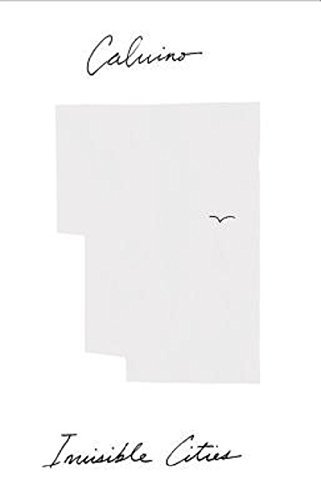
This book is a poetic exploration of cities—and by extension, spaces—that exist as manifestations of memory, desire, and the human condition. It shares the philosophical, architectural, and dreamlike quality that makes 'Rooms' so compelling.
Love to read on the go?
Explore Kindle e-readers and take your books with you.
As an Amazon Associate, we earn from qualifying purchases.
As an Amazon Associate, we earn from qualifying purchases.