

Based on your book
Rules to Win By
by Jane McAlevey
Jane McAlevey's "Rules to Win By" isn't just another book about social change; it's a brass-tacks manual for anyone serious about winning. McAlevey, with her decades of experience as a union organizer, strips away the feel-good rhetoric to expose the raw mechanics of power. She makes a compelling case for why strategic, disciplined organizing, focused on real worker power, is the only way to achieve lasting victories against entrenched interests. Reading this feels like getting a masterclass from a seasoned coach who's seen it all and knows exactly what works and what doesn't. It's direct, analytical, and incredibly empowering, pushing you to think critically about how power truly operates and how to leverage it effectively. This book is for the reader who's tired of performative activism and ready to roll up their sleeves, understand the nuances of power dynamics, and learn how to build movements that actually win.
10 Books similar to 'Rules to Win By'
If Jane McAlevey's sharp analysis of power dynamics and strategic organizing resonated with you, you'll find plenty more to dig into here. We've curated these recommendations for readers eager to understand the historical context of labor struggles, the mechanics of nonviolent resistance, and the foundational theories behind building collective power. From direct guides on community organizing to immersive accounts of worker adversity, these books continue the conversation on how ordinary people overcome entrenched power structures and fight for a more just world.
As an Amazon Associate, we earn from qualifying purchases.

This is Jane McAlevey's earlier, foundational work, delving deeper into the organizing methodology and strategic principles that 'Rules to Win By' builds upon. Readers will find a direct continuation of her insights into building worker power and winning campaigns, making it essential for understanding her full framework.

by Saul Alinsky
A classic in community organizing, Alinsky's work offers a raw, pragmatic guide to acquiring and wielding power for social change, much like McAlevey's focus on strategic action. Fans of 'Rules to Win By' will appreciate its direct, no-nonsense approach to challenging existing power structures and mobilizing communities.

by Mark Engler and Paul Engler
This book provides a compelling analysis of successful nonviolent movements, offering strategic insights into how social change happens through collective action. It aligns with McAlevey's emphasis on strategy and power, providing a broader historical and theoretical context for effective organizing.
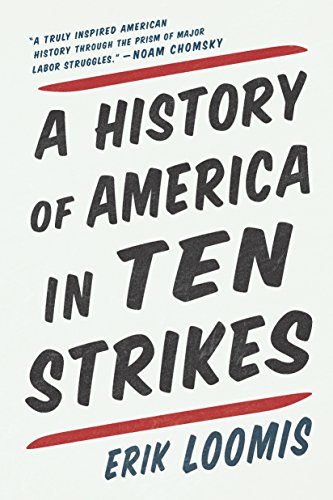
by Erik Loomis
For readers interested in the historical context of labor struggles, this book vividly recounts pivotal moments where workers fought for their rights and power. It provides a rich backdrop to the contemporary organizing strategies discussed in 'Rules to Win By,' showcasing the enduring need for collective action.

Not sure what they've already read?
Let them pick their next favorite with an Amazon Gift Card.
As an Amazon Associate, we earn from qualifying purchases.

by Paulo Freire
A foundational text for liberation movements, Freire's work explores the dynamics of oppression and the path to liberation through critical consciousness and collective action. Its philosophical depth and focus on empowerment resonate strongly with the underlying principles of 'Rules to Win By,' albeit from a different angle.

Taylor offers a critical analysis of contemporary social movements, particularly Black Lives Matter, examining the challenges and strategies for liberation. Readers who appreciate McAlevey's analytical approach to power and organizing will find similar rigor in Taylor's examination of racial justice movements.

While not a how-to guide, Ehrenreich's immersive journalism exposes the brutal realities of low-wage work in America, providing the human context for why labor organizing is so desperately needed. It powerfully illustrates the systemic issues that 'Rules to Win By' seeks to address through strategic action.
This collection of essays delves into the urgent need for resistance and collective action against oppressive systems, offering a sharp analysis of contemporary political struggles. It shares 'Rules to Win By's' intensity and commitment to understanding power dynamics and fostering effective opposition.
This practical guide offers tools and strategies for building effective grassroots movements, resonating with the actionable advice found in 'Rules to Win By.' It provides a complementary perspective on community organizing, focusing on empowering local leaders to drive change.
by Dan Berger, Mike Alewitz, Paul Buhle, Nicole Schulman, and Joe Sacco
This graphic novel makes complex labor history accessible and engaging, illustrating the struggles and victories of American workers. It offers a visually compelling and informative account of the collective action that 'Rules to Win By' champions, bringing historical movements to life.

Prefer to listen?
Try Audible and hear the story instead of reading it.
As an Amazon Associate, we earn from qualifying purchases.
As an Amazon Associate, we earn from qualifying purchases.