

Based on your book
Salt: A World History
by Mark Kurlansky
Mark Kurlansky’s Salt: A World History takes you on an unexpected journey, revealing how something as common as salt has been a silent force shaping human civilization for millennia. This isn't a dry textbook; it’s a vibrant, meticulously researched narrative that shows salt's hand in everything from ancient trade routes and empire-building to scientific discovery, culinary traditions, and even revolutions. You’ll feel a sense of wonder as Kurlansky uncovers the profound cultural, economic, and political power dynamics tied to this essential mineral. It’s a book for readers who love intellectual deep dives, who enjoy connecting seemingly disparate historical threads, and who appreciate how a single, focused lens can illuminate the entire sweep of human experience.
10 Books similar to 'Salt: A World History'
For those who found themselves captivated by Mark Kurlansky's Salt, these recommendations continue that same kind of illuminating intellectual journey. Many share Salt's unique "biography of a commodity" approach, demonstrating how everyday items like cod, paper, or textiles have profoundly influenced economies, cultures, and global power. Others offer equally compelling historical deep dives into specific events or problems, revealing their far-reaching impact on human ingenuity and societal development, inviting you to see the world through a fresh, analytical lens.
As an Amazon Associate, we earn from qualifying purchases.

This book is a natural follow-up for Kurlansky fans, applying the same engaging, meticulously researched, and globally-spanning "biography of a commodity" approach to the humble codfish. Readers will appreciate the similar narrative style, which weaves together history, economics, politics, and culture to reveal the profound impact of an everyday item.
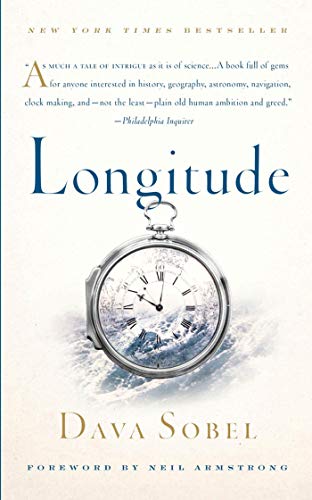
by Dava Sobel
Like "Salt," "Longitude" takes a seemingly niche historical problem—determining longitude at sea—and reveals its immense global impact on exploration, trade, and power. Sobel's narrative is equally compelling and accessible, focusing on the human ingenuity and struggle behind a pivotal scientific breakthrough, making complex history fascinating.

This book shares "Salt's" ability to transform a specific historical event—the 1854 London cholera outbreak—into a gripping narrative that illuminates broader themes of public health, scientific discovery, and urban development. Johnson's blend of historical detail, scientific explanation, and social commentary will resonate with readers who enjoy Kurlansky's informative yet engaging style.

While broader in scope than "Salt," Diamond's Pulitzer-winning work shares a similar ambition: to explain the fundamental forces that shaped human history and civilization, from a global, analytical perspective. Readers who appreciate Kurlansky's ability to connect seemingly disparate facts into a grand narrative will find Diamond's exploration of geography, environment, and societal development equally enlightening and thought-provoking.

Prefer to listen?
Try Audible and hear the story instead of reading it.
As an Amazon Associate, we earn from qualifying purchases.
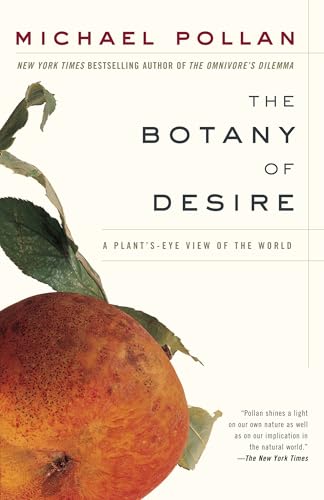
Pollan's book offers a unique perspective on the intertwined history of humans and plants, focusing on four specific "commodities" (apples, tulips, potatoes, cannabis) and how they have shaped our desires and culture. Like "Salt," it delves into the profound impact of everyday items, blending natural history, cultural analysis, and philosophical reflection with an engaging, accessible voice.

by Jack Turner
This book mirrors "Salt" by exploring the fascinating and often violent history of another seemingly simple commodity—spice—and its profound influence on exploration, trade, empire, and cuisine. Turner's narrative is rich with historical detail and cultural insights, appealing to readers who enjoy understanding how everyday items have driven global events and human desires.

Another brilliant work by Kurlansky, this book applies his signature style to the history of paper, tracing its invention, evolution, and profound impact on communication, art, religion, and governance across cultures and millennia. Fans of "Salt" will immediately recognize and enjoy the same engaging narrative, meticulous research, and global perspective on an essential commodity.

This book offers a compelling "biography of a material" similar to "Salt," revealing how textiles—from ancient threads to modern synthetics—have been fundamental to human innovation, trade, and culture. Postrel's engaging style and deep research illuminate the often-overlooked yet critical role of fabric in shaping societies, making it a perfect read for those who enjoyed Kurlansky's approach.

Based on the popular BBC radio series, this book shares "Salt's" concept of using everyday (or historically significant) objects as lenses through which to understand vast swathes of human history and culture. MacGregor's insightful and accessible essays connect individual artifacts to global narratives, offering a unique and engaging way to explore the past.

"Sapiens" provides a sweeping, analytical overview of human history, from our earliest ancestors to the present day, exploring the major cognitive, agricultural, and scientific revolutions that shaped us. Readers who appreciate "Salt's" ability to connect specific details to grand historical forces and offer profound insights into human civilization will find Harari's thought-provoking and engaging narrative equally captivating.

Love to read on the go?
Explore Kindle e-readers and take your books with you.
As an Amazon Associate, we earn from qualifying purchases.
As an Amazon Associate, we earn from qualifying purchases.