

Based on your book
Salt
by Kurlansky, Mark
Salt by Mark Kurlansky isn't just about a common seasoning; it's a sprawling, endlessly fascinating journey through human history, viewed through the lens of one crucial mineral. Kurlansky shows how salt has dictated trade routes, fueled empires, sparked wars, and shaped cuisines across millennia. You'll find yourself tracing its path from ancient Roman legions, who were paid in salt (hence 'salary'), to the fishing fleets of Newfoundland, to Gandhi's iconic march. The reading experience is like unwrapping a series of interconnected historical mysteries, each reveal adding depth to our understanding of power, survival, and cultural development. It’s an informative, thought-provoking read for anyone who enjoys uncovering the monumental impact of seemingly small things, or who simply loves a well-researched, engaging historical deep dive.
10 Books similar to 'Salt'
If you enjoyed how Salt unearths the hidden historical, cultural, and political threads woven around a single, unassuming commodity, our recommendations continue that journey. We've gathered books that similarly excel at taking a focused historical deep dive, whether it’s exploring the global impact of textiles, spices, or even cod. These titles share Kurlansky's analytical curiosity, revealing how seemingly simple elements have shaped power dynamics, driven exploration, and fundamentally altered human civilization.
As an Amazon Associate, we earn from qualifying purchases.

This book is a natural fit as it's by the same author and employs the identical narrative approach, tracing the global history and cultural impact of a single, seemingly humble commodity—cod—to reveal profound insights into human civilization, economics, and ecology.
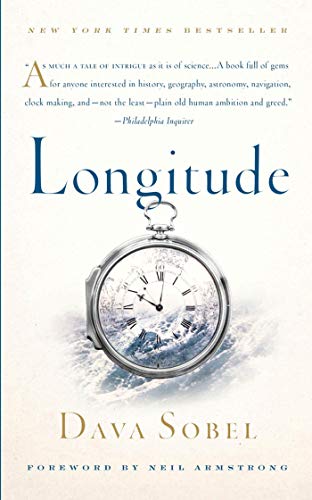
by Dava Sobel
Sobel masterfully tells the story of John Harrison's quest to solve the longitude problem, similar to Kurlansky's ability to focus on a specific historical challenge and reveal its immense global, scientific, and economic ramifications through a compelling, research-driven narrative.
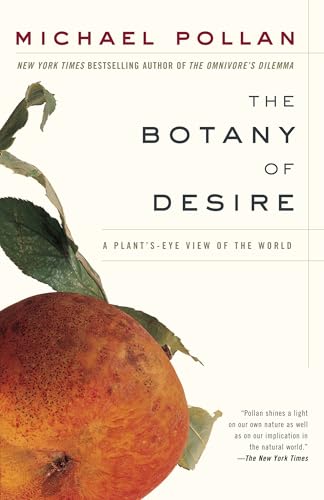
Pollan explores the reciprocal relationship between humans and four specific plants, much like Kurlansky examines salt, revealing how these natural elements have profoundly shaped human history, culture, and desires through an engaging and philosophical lens.

While broader in scope, Harari's work shares Kurlansky's intellectual curiosity and analytical approach, weaving together history, biology, and economics to explain the grand narratives of human civilization and our impact on the planet, making complex ideas accessible and thought-provoking.

Love to read on the go?
Explore Kindle e-readers and take your books with you.
As an Amazon Associate, we earn from qualifying purchases.

Postrel's book is a direct parallel, delving into the fascinating history and profound impact of textiles—from their scientific innovations to their cultural significance—demonstrating how a seemingly simple object can be a lens for understanding global history, technology, and human ingenuity.

by Jack Turner
This book offers a captivating journey through the history of spices, exploring their role in trade, exploration, medicine, and cuisine across different cultures and eras, echoing Kurlansky's method of using a single commodity to illuminate vast historical narratives and human desires.

by Bill Bryson
Bryson takes a room-by-room tour of his house to explore the history of everyday objects and concepts, transforming the mundane into the marvelous with his signature wit and exhaustive research, much like Kurlansky elevates salt into a subject of global significance.

Diamond's Pulitzer-winning work provides a sweeping, analytical account of why human societies developed differently across continents, sharing Kurlansky's ambition to uncover the deep historical forces and environmental factors that have shaped human civilization.

Johnson meticulously reconstructs the 1854 cholera outbreak in London, using it as a microcosm to explore the birth of modern epidemiology, urban planning, and public health, offering a focused historical narrative with broad implications, similar to Kurlansky's approach.

by Rose George
George tackles the often-ignored but critically important subject of sanitation and human waste with Kurlansky's blend of rigorous research and engaging narrative, revealing its profound historical, cultural, and public health implications across the globe.

Not sure what they've already read?
Let them pick their next favorite with an Amazon Gift Card.
As an Amazon Associate, we earn from qualifying purchases.
As an Amazon Associate, we earn from qualifying purchases.